

Subscribe To Our Newsletter!
Subscribe to the newsletter to stay up to date with the latest news and most useful
Newsletter
↑
Back to Top



Product Overview |
|---|
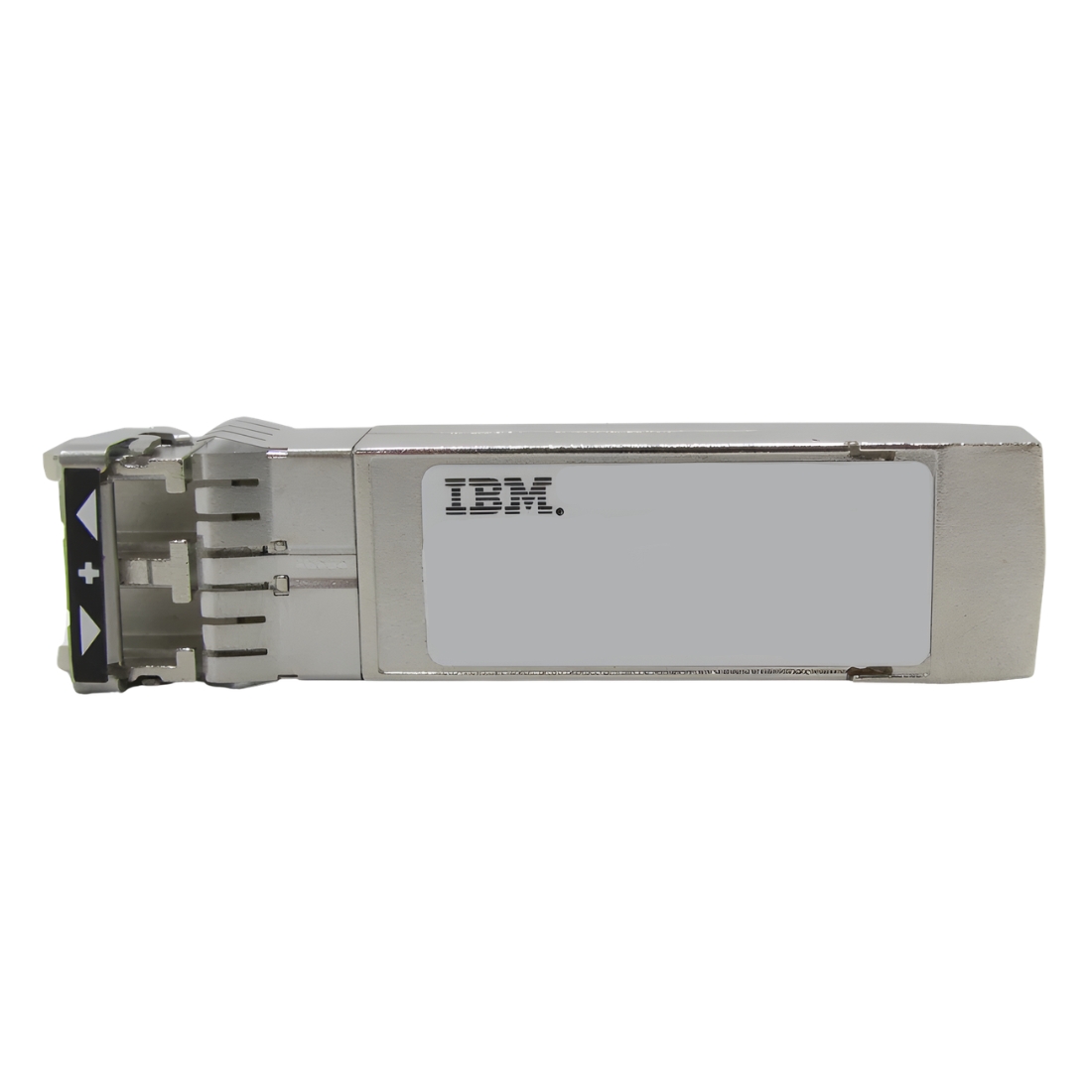
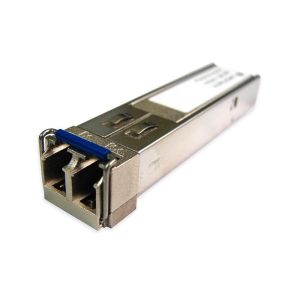
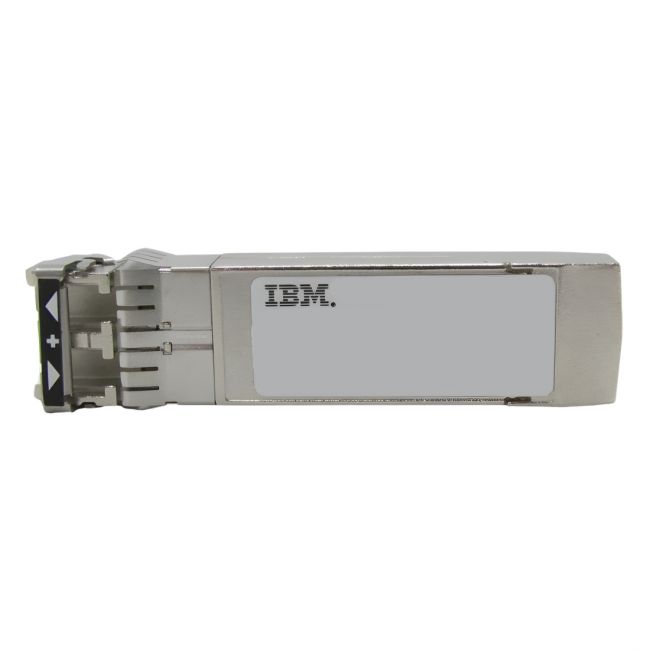
The FTLF1428P2BNV-IB - IBM 8Gb/s 850nm Long Wave SFP Transceiver Module offers a compact and straightforward solution for high-speed Fibre Channel connections. It fits into existing SAN architectures where rapid data transfer and solid reliability are essential, bridging IBM storage and server devices efficiently without adding complexity. |
General Information |
|
|---|---|
| Brand | IBM |
Technical Information |
|
|---|---|
| Form Factor | SFP |
| Media | MMF |
| Type | VCSEL |
| Protocols | 8G Fibre Channel |
| Connector | LC Duplex |
| DOM Support | No |
Physical Characteristics |
|
|---|---|
| Weight | 0.02 |
| Condition | Refurbished |
Product Description |
|---|
The FTLF1428P2BNV-IB is a small form-factor pluggable transceiver designed to facilitate fast and reliable 8Gb/s Fibre Channel communication. It is commonly found in storage area network (SAN) environments, providing the data transfer link between servers and storage devices. Built for enterprise IT professionals and network administrators, this module helps maintain consistent throughput and network performance. Key Features
This transceiver plays a critical role in keeping SANs operational and effective. Its reliable performance and ease of integration help maintain system uptime and streamline network management. The module's design balances speed and stability, making it a dependable component in enterprise storage networking. |
Use Cases |
|---|
This transceiver module is typically used in enterprise data centers and storage networks where 8Gb/s Fibre Channel connectivity is standard. It suits environments requiring consistent and high-speed linkages between IBM hardware components. IT teams managing storage clusters and virtualization setups benefit from its stable and modular design. How It's Used:
By enabling efficient data flow with minimal disruption, this module enhances operational efficiency in demanding network environments. Its role in simplifying hardware integration and maintaining performance helps IT operations scale and adapt as network needs evolve. |
 Shipping Options
 International Delivery
Requires a UPS, FedEx, or DHL account. Customers may arrange pickup from our US warehouse.
International Delivery
Requires a UPS, FedEx, or DHL account. Customers may arrange pickup from our US warehouse.
 Payment Methods
We accept Visa, Mastercard, AMEX, Discover, and Wire Transfer.
Payment Methods
We accept Visa, Mastercard, AMEX, Discover, and Wire Transfer.
 Purchase Orders
We process purchase orders for government agencies, enterprises, data centers, and SMBs.
Purchase Orders
We process purchase orders for government agencies, enterprises, data centers, and SMBs.