

Subscribe To Our Newsletter!
Subscribe to the newsletter to stay up to date with the latest news and most useful
Newsletter
↑
Back to Top



Product Overview |
|---|
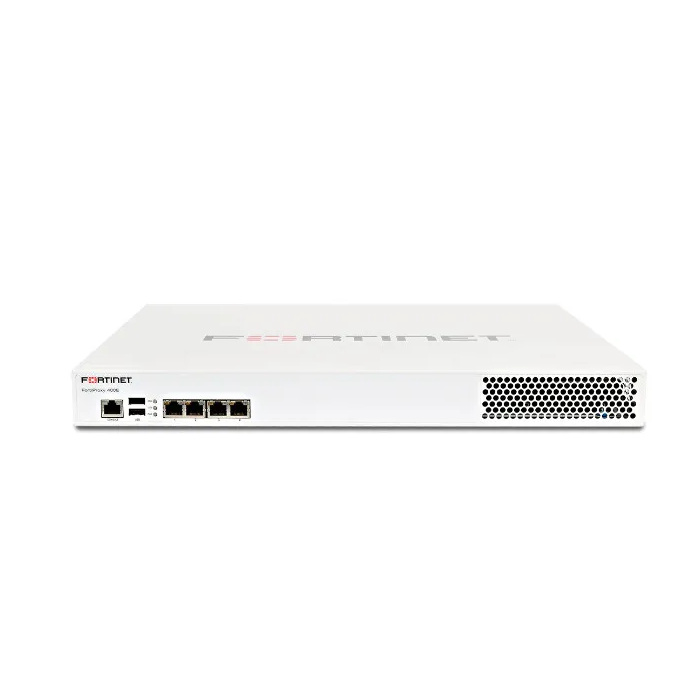
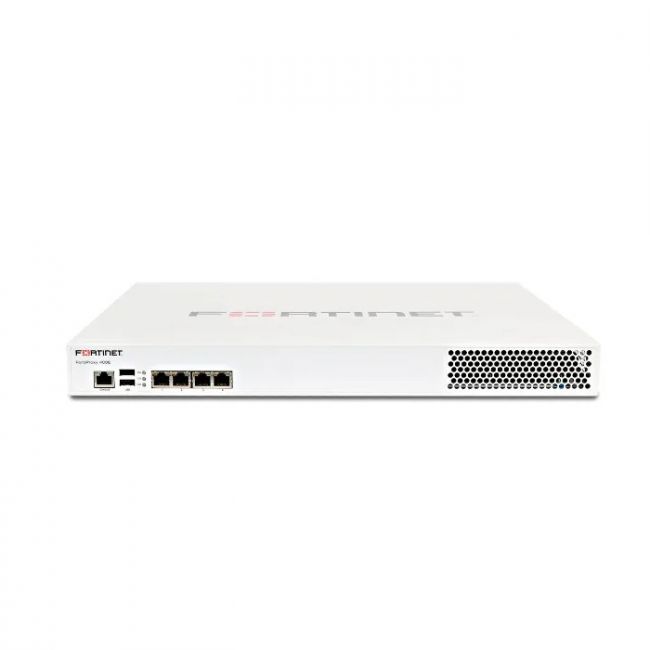
The FPX-400E firewall acts as a central security device designed to monitor and control incoming and outgoing network traffic based on predetermined security rules. It fits into enterprise network architectures where user density and data throughput demand robust and dependable firewall solutions without sacrificing speed or reliability. |
General Information |
|
|---|---|
| Brand | Fortinet |
Technical Information |
|
|---|---|
| Interface | GE RJ45 |
| Ports | 4 |
| Security | No |
| VPN Support | Yes |
Physical Characteristics |
|
|---|---|
| Form Factor | Rack-mount |
| Weight | 3.00 |
| Condition | Refurbished |
Miscellaneous |
|
|---|---|
| Assembly Required | No |
Product Description |
|---|
The FPX-400E firewall is designed to provide reliable network protection for medium to large-scale environments. It is commonly found in enterprises seeking to secure extensive user bases with efficient traffic handling capabilities. Administrators and network security professionals benefit from its balance of performance and advanced security features. Key Features
This firewall plays a critical role in safeguarding network infrastructure by efficiently managing user traffic and preventing unauthorized access. Its dependable operation and solid performance make it suitable for environments where security and network stability are essential. |
Use Cases |
|---|
The FPX-400E is typically deployed in enterprise environments requiring high-capacity firewall protection for thousands of users. Network administrators in industries such as finance, education, and public sector benefit from its scalability and security capabilities. It is suited for securing internal networks, managing internet gateway traffic, and protecting critical data assets. How It's Used:
These deployments leverage the FPX-400E’s capacity to maintain security and operational efficiency across complex network setups. Its role in these settings ensures that performance remains steady while threats are effectively mitigated. |
 Shipping Options
 International Delivery
Requires a UPS, FedEx, or DHL account. Customers may arrange pickup from our US warehouse.
International Delivery
Requires a UPS, FedEx, or DHL account. Customers may arrange pickup from our US warehouse.
 Payment Methods
We accept Visa, Mastercard, AMEX, Discover, and Wire Transfer.
Payment Methods
We accept Visa, Mastercard, AMEX, Discover, and Wire Transfer.
 Purchase Orders
We process purchase orders for government agencies, enterprises, data centers, and SMBs.
Purchase Orders
We process purchase orders for government agencies, enterprises, data centers, and SMBs.