

Subscribe To Our Newsletter!
Subscribe to the newsletter to stay up to date with the latest news and most useful
Newsletter
↑
Back to Top



Product Overview |
|---|
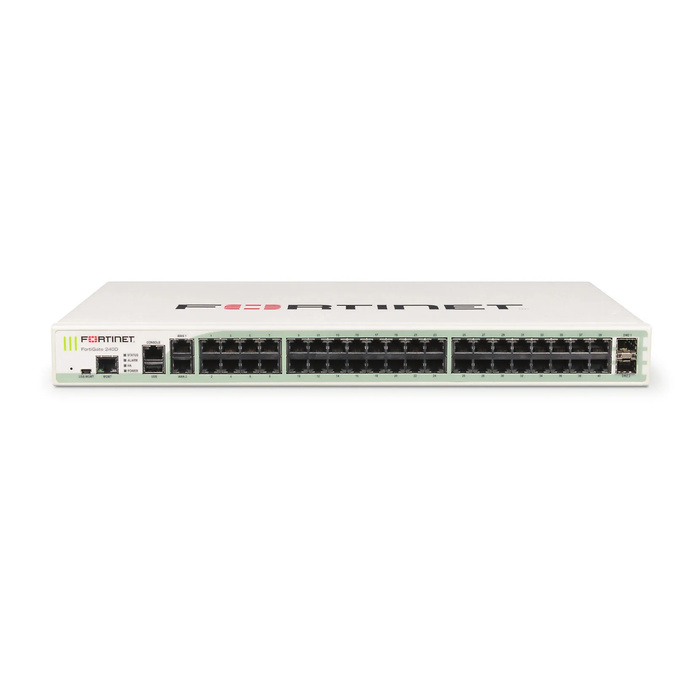
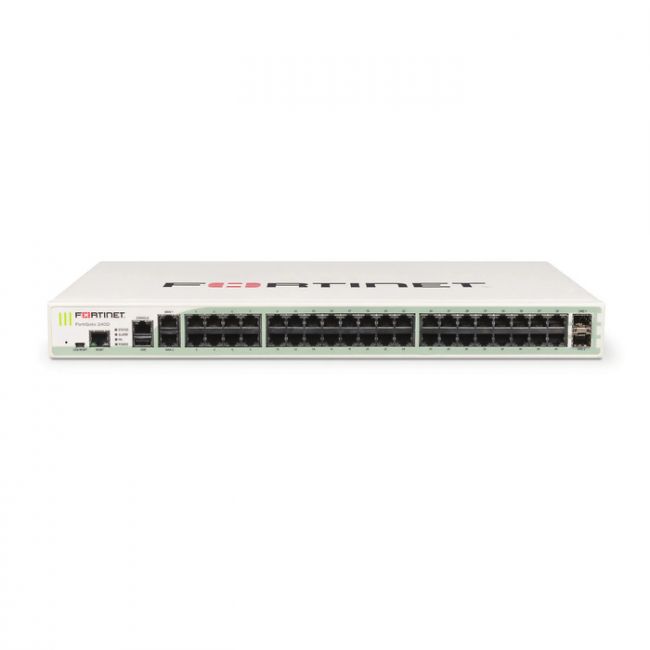
The FG-240D-BDL-USG combines extensive port availability with managed firewall capabilities, fitting neatly into standard rack units. It integrates high-speed Ethernet connectivity and fiber uplink options, delivering essential network security and operational control in enterprise or mid-sized infrastructure settings. |
General Information |
|
|---|---|
| Brand | Fortinet |
Technical Information |
|
|---|---|
| Interface | RJ-45 (1000Base-T Gigabit Ethernet), SFP (1000Base-X Gigabit Fiber) |
| Ports | 42 x RJ-45, 2 x SFP |
| VPN Support | IPSec VPN, SSL VPN (client and site-to-site), L2TP over IPSec |
| OS Support | Windows, macOS, Linux (web browser/SSH management) |
| Power Supply | Internal AC power supply (100-240V AC) |
Physical Characteristics |
|
|---|---|
| Form Factor | 1U Rackmount |
| Weight | 3.00 |
| Condition | Refurbished |
Miscellaneous |
|
|---|---|
| Assembly Required | No |
| Compliance Standards | WEEE, RoHS, CE, FCC, UL, TUV, cULus |
Product Description |
|---|
The FG-240D-BDL-USG is a network security appliance built for handling complex enterprise environments. It is commonly found in data center racks or network closets where high port density and robust firewall protection are required. IT professionals and network administrators benefit from its management features and scalable connectivity options. Key Features
This device plays a central role in securing network traffic and managing data flow efficiently across multiple segments. Its reliability and consistent performance make it a practical choice in environments demanding strong perimeter defense and traffic regulation. |
Use Cases |
|---|
The FG-240D-BDL-USG is typically deployed in enterprise and mid-sized data center environments where dense connectivity and secure traffic management are critical. It suits IT teams requiring scalable firewall integration alongside multiple high-speed network interfaces. How It's Used:
Its role in these setups supports operational efficiency by consolidating network security and connectivity into a single managed device, helping maintain performance and scalability in evolving IT landscapes. |
 Shipping Options
 International Delivery
Requires a UPS, FedEx, or DHL account. Customers may arrange pickup from our US warehouse.
International Delivery
Requires a UPS, FedEx, or DHL account. Customers may arrange pickup from our US warehouse.
 Payment Methods
We accept Visa, Mastercard, AMEX, Discover, and Wire Transfer.
Payment Methods
We accept Visa, Mastercard, AMEX, Discover, and Wire Transfer.
 Purchase Orders
We process purchase orders for government agencies, enterprises, data centers, and SMBs.
Purchase Orders
We process purchase orders for government agencies, enterprises, data centers, and SMBs.