

Subscribe To Our Newsletter!
Subscribe to the newsletter to stay up to date with the latest news and most useful
Newsletter
↑
Back to Top



Product Overview |
|---|
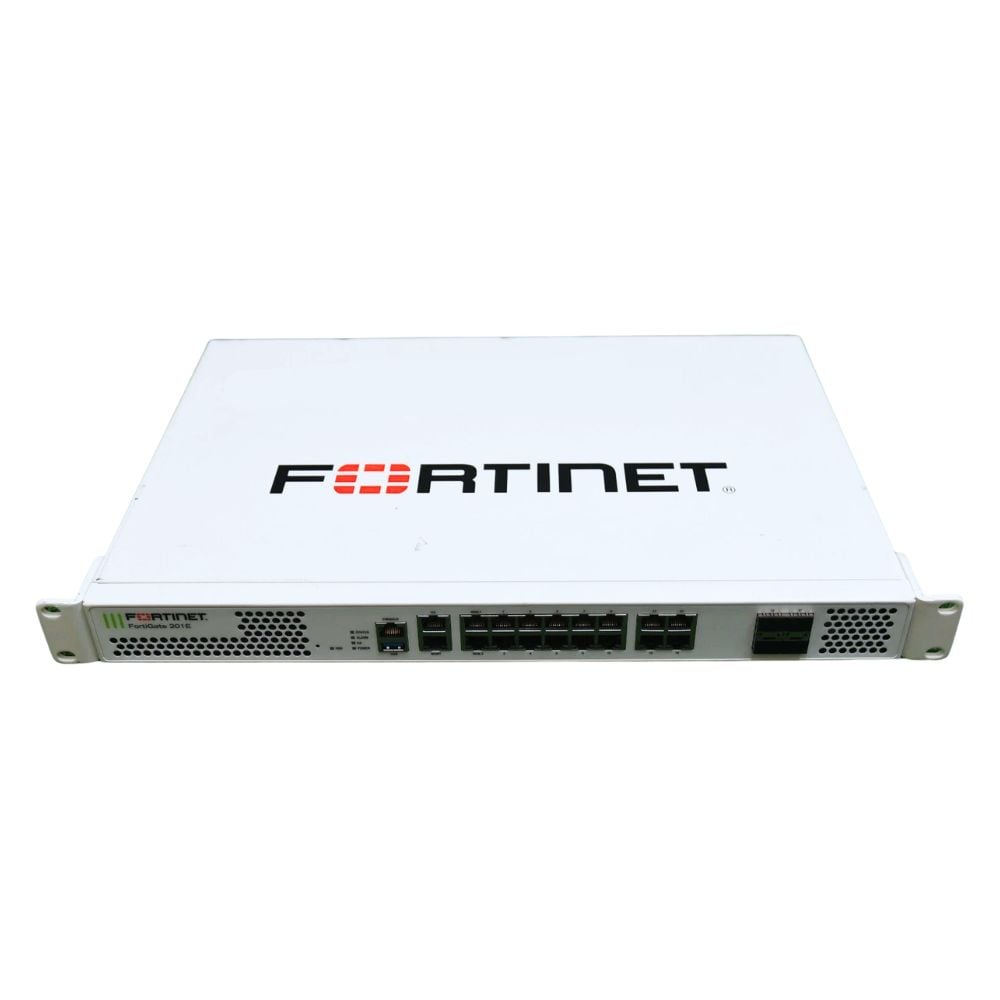
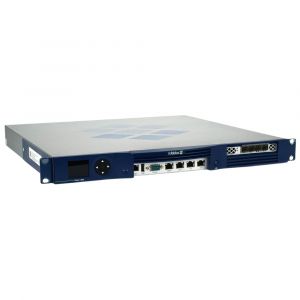
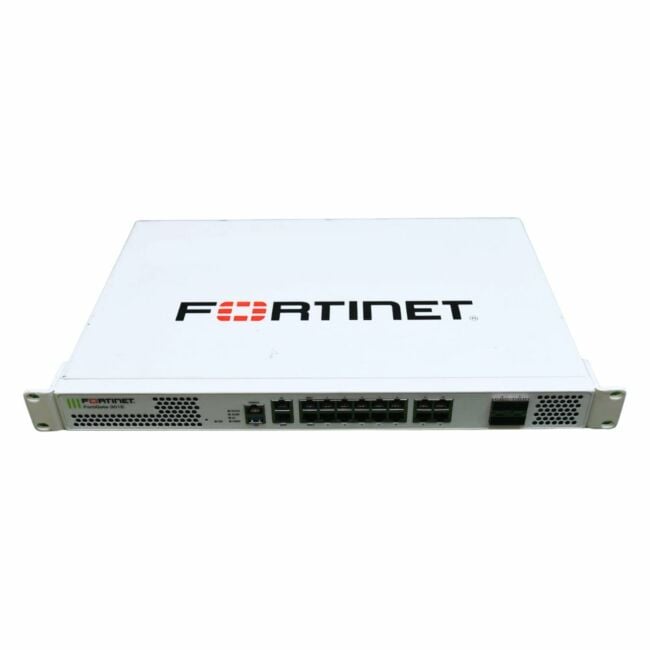
The FortiGate 200E Series 201E is a managed network security appliance designed to protect enterprise networks. It features a mix of RJ-45 and SFP ports, providing 2 WAN, 14 GE LAN, and 4 fiber connections in a 1U rack-mountable chassis, supporting comprehensive network security and connectivity requirements. |
General Information |
|
|---|---|
| Brand | Fortinet |
Technical Information |
|
|---|---|
| Interface | RJ-45 (Gigabit Ethernet), SFP |
| Ports | 2 x RJ-45 WAN, 14 x GE RJ-45, 4 x SFP |
Physical Characteristics |
|
|---|---|
| Form Factor | 1U Rack-mountable |
| Weight | 3.00 |
| Condition | Refurbished |
Miscellaneous |
|
|---|---|
| Assembly Required | No |
Product Description |
|---|
The Fortinet FortiGate 200E Series 201E is a managed network security appliance designed to deliver advanced firewall and security services. It integrates multiple wired interfaces including RJ-45 and SFP ports, enabling flexible network deployments across enterprise and data center environments. This appliance is typically installed in network racks where centralized security management and high port density are required, serving IT administrators who manage complex network infrastructures. Key Features
The FortiGate 201E balances port density and form factor in a managed firewall solution suitable for organizations requiring structured security control at the network edge. Its combination of copper and fiber ports supports diverse connectivity needs without expanding rack space. |
Use Cases |
|---|
The FortiGate 201E is used in enterprise and data center environments requiring robust network security with multiple interface options. It suits IT teams managing medium to large networks needing a mix of copper and fiber connections for WAN and LAN traffic. How It's Used:
This appliance plays a key role in enforcing security policies and controlling traffic flows at key network junctures. Its port flexibility allows it to adapt to various infrastructure layouts, maintaining managed security across physical layers. |
FAQ's |
|---|
|
 Shipping Options
 International Delivery
Requires a UPS, FedEx, or DHL account. Customers may arrange pickup from our US warehouse.
 Payment Methods
We accept Visa, Mastercard, AMEX, Discover, and Wire Transfer.
 Purchase Orders
We process purchase orders for government agencies, enterprises, data centers, and SMBs.