

Subscribe To Our Newsletter!
Subscribe to the newsletter to stay up to date with the latest news and most useful
Newsletter
↑
Back to Top



Product Overview |
|---|
The FD1231H NEC 1.44MB Bezeless 3.5-Inch Floppy Drive reads and writes standard floppy disks and fits into systems requiring legacy media support. It’s a practical choice for accessing older data formats in computing environments where floppy disk use remains relevant. |
General Information |
|
|---|---|
| Brand | NEC |
| Part Number | FD1231H |
Technical Information |
|
|---|---|
| Disc Diameter | 3.5-inch (90 mm) |
| Interface | 34-pin FDD ribbon connector, 4-pin Molex power connector |
Physical Characteristics |
|
|---|---|
| Weight | 5.00 |
| Condition | Refurbished |
Miscellaneous |
|
|---|---|
| Eco Friendly | Yes |
| Assembly Required | Yes |
| Compliance Standards | WEEE, RoHS, cURus, CE, FCC, CCC, UL, TUV, cULus, CSA, cUL |
Product Description |
|---|
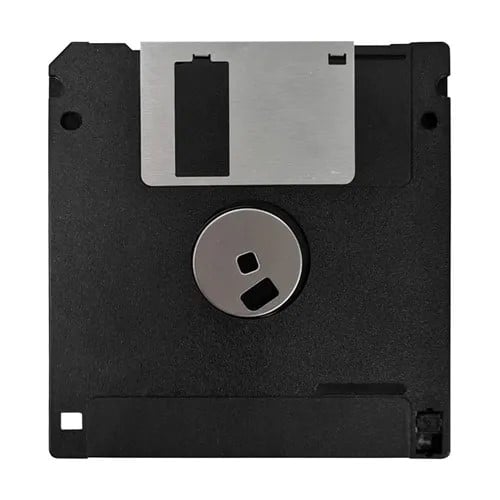
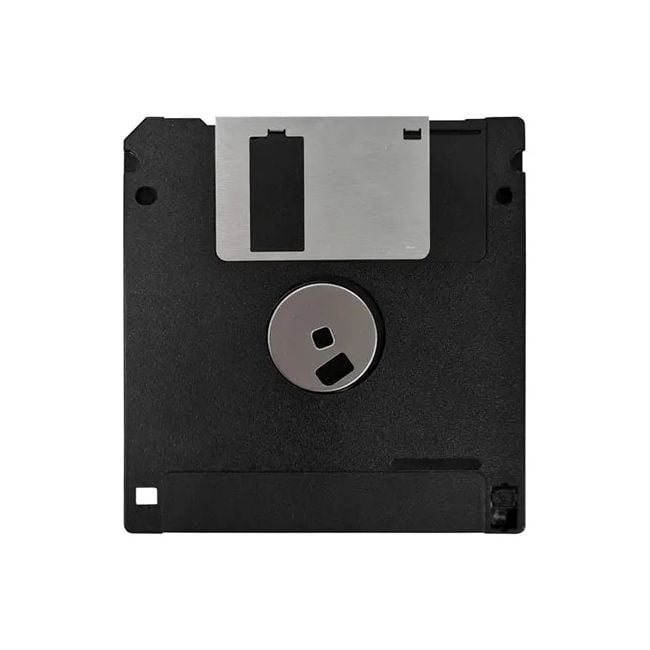
This FD1231H 3.5-inch floppy drive is built for reading and writing 1.44MB floppy disks, supporting data transfer on legacy storage media. It’s commonly used in older desktop computers or embedded systems that require floppy disk access. Technicians and enthusiasts working with vintage hardware often rely on drives like this to recover or transfer data from floppy disks. Key Features
This drive is typically found in environments where legacy data access is necessary, such as data recovery labs, retro computing setups, and industrial machines still relying on floppy disks. Its straightforward design helps keep older systems running without complications. |
Use Cases |
|---|
The FD1231H NEC 1.44MB Bezeless 3.5-Inch Floppy Drive is primarily utilized in legacy computing environments where accessing and maintaining data stored on floppy disks is essential. It is especially valuable to IT departments managing vintage hardware or specialized industrial systems that rely on floppy disk media for software updates, backups, or configuration transfers. How It's Used:
This drive supports operational continuity by enabling reliable read/write access to legacy media, facilitating data migration and system maintenance without requiring full hardware upgrades. Its compatibility with standard interfaces ensures seamless integration into existing infrastructure, promoting efficiency in environments where floppy disks remain relevant. |
 Shipping Options
 International Delivery
Requires a UPS, FedEx, or DHL account. Customers may arrange pickup from our US warehouse.
International Delivery
Requires a UPS, FedEx, or DHL account. Customers may arrange pickup from our US warehouse.
 Payment Methods
We accept Visa, Mastercard, AMEX, Discover, and Wire Transfer.
Payment Methods
We accept Visa, Mastercard, AMEX, Discover, and Wire Transfer.
 Purchase Orders
We process purchase orders for government agencies, enterprises, data centers, and SMBs.
Purchase Orders
We process purchase orders for government agencies, enterprises, data centers, and SMBs.