

Subscribe To Our Newsletter!
Subscribe to the newsletter to stay up to date with the latest news and most useful
Newsletter
↑
Back to Top



Product Overview |
|---|
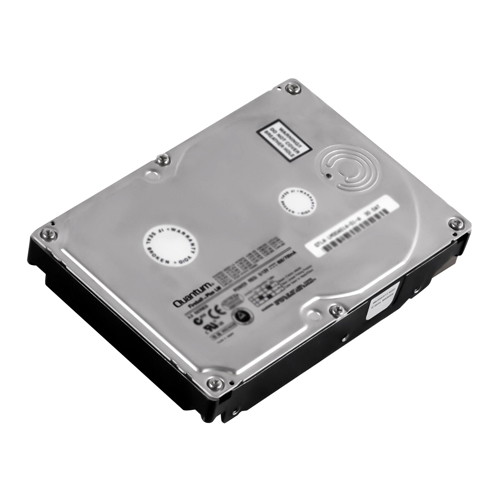
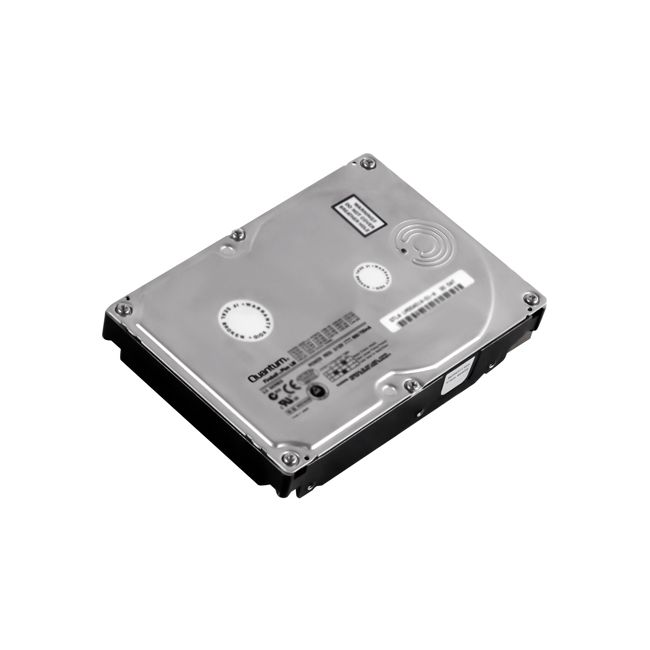
The FB10S103 Quantum 1GB Ultra-320 SCSI hard drive provides modest storage capacity with a stable SCSI connection, ideal for legacy desktop or server systems. It fits standard 3.5-inch bays and balances solid performance with reliable operation in established environments. |
General Information |
|
|---|---|
| Brand | Quantum |
| Part Number | FB10S103 |
Physical Characteristics |
|
|---|---|
| Condition | Refurbished |
| Weight | 1.76 |
Product Description |
|---|
The FB10S103 Quantum 1GB Ultra-320 SCSI hard drive offers solid storage performance for legacy systems requiring SCSI connectivity. It's commonly used in older workstations, servers, and embedded systems where reliable, moderate-capacity drives are needed. Built for environments demanding stable data handling rather than high-speed throughput, this drive appeals to IT professionals maintaining vintage hardware or specialized equipment. Its 3.5-inch size fits most standard drive bays, making it easy to swap or upgrade. Key Features
These drives are typically found in older computing setups, especially where SCSI remains the preferred interface for legacy applications. They deliver steady performance for systems handling moderate workloads without needing the latest storage technology. Whether used in data archival, industrial systems, or maintenance of existing infrastructure, the FB10S103 provides dependable storage without unnecessary complexity. |
Use Cases |
|---|
The FB10S103 Quantum 1GB Ultra-320 SCSI hard drive is typically employed in legacy IT infrastructures where compatibility with Ultra-320 SCSI interfaces is essential. It serves organizations maintaining older server or workstation environments that require stable, low-capacity storage solutions without transitioning to newer interfaces. How It's Used:
By integrating into existing SCSI-based systems, this hard drive supports operational continuity and reduces the need for extensive hardware upgrades. It enables organizations to sustain legacy applications while managing storage demands within constrained environments. |
 Shipping Options
 International Delivery
Requires a UPS, FedEx, or DHL account. Customers may arrange pickup from our US warehouse.
 Payment Methods
We accept Visa, Mastercard, AMEX, Discover, and Wire Transfer.
 Purchase Orders
We process purchase orders for government agencies, enterprises, data centers, and SMBs.