

Subscribe To Our Newsletter!
Subscribe to the newsletter to stay up to date with the latest news and most useful
Newsletter
↑
Back to Top



Product Overview |
|---|
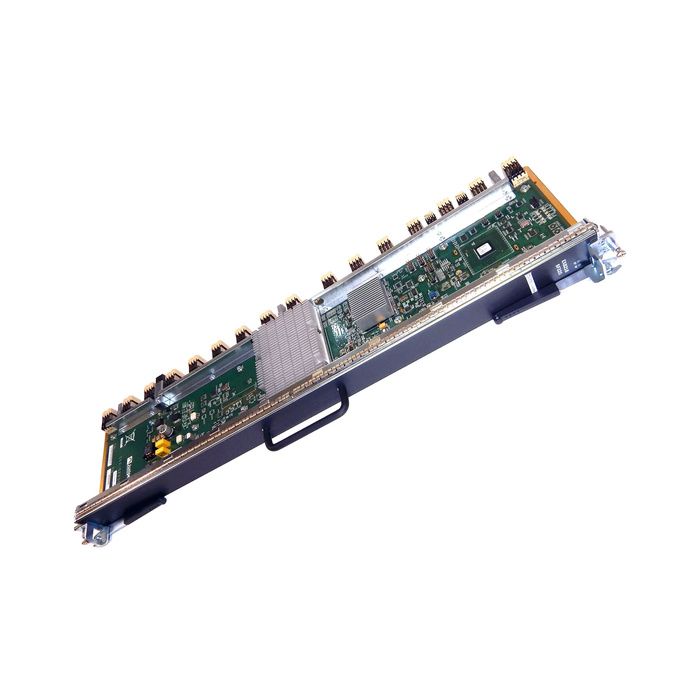
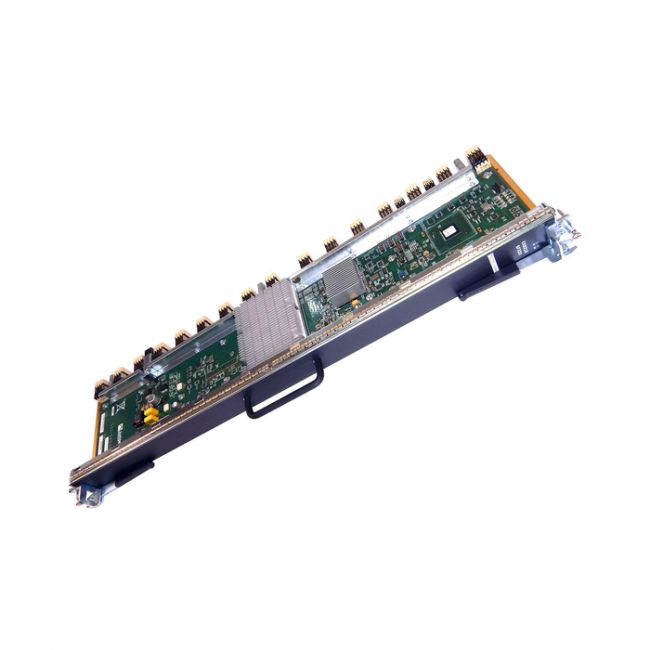
The EX8216-SF320-S switch fabric module facilitates high-speed data switching within the EX8216 chassis, catering to environments that demand consistent throughput and low-latency network operations. It fits into modular enterprise networking setups where backbone switching capacity is a critical factor. |
General Information |
|
|---|---|
| Brand | Juniper Networks |
Technical Information |
|
|---|---|
| Port Speed | 320 Gbps |
| Form Factor | Chassis-Based |
| Data Rate | 320 Gbps (fabric module switching capacity) |
| Compatibility | Juniper EX8216 |
| Connector Type | Backplane (midplane) |
Physical Characteristics |
|
|---|---|
| Form Factor | Switch Fabric Module |
| Weight | 3.00 |
| Condition | Refurbished |
Miscellaneous |
|
|---|---|
| Assembly Required | No |
| Compliance Standards | WEEE, RoHS |
Product Description |
|---|
The EX8216-SF320-S is a switch fabric module designed for the Juniper EX8216 chassis, enabling efficient data transfer across multiple line cards. It is commonly found in large-scale enterprise and data center environments where high bandwidth and reliable connectivity are essential. Network engineers and IT professionals rely on this module to maintain high-performance switching capabilities. Key Features
This module plays a crucial role in ensuring consistent network performance and scalability within complex network infrastructures. Its robust design contributes to reliable switching operations and supports growth by handling increased traffic without degrading service quality. |
Use Cases |
|---|
The EX8216-SF320-S is typically deployed in high-density enterprise core and aggregation layers where large volumes of traffic require fast and reliable switching. It serves network architects and administrators managing complex infrastructures that depend on scalable and resilient network fabric components. How It's Used:
By integrating this fabric module, network systems gain improved operational efficiency and the ability to scale without compromising performance. It supports complex switching needs while maintaining stability across demanding network infrastructures. |
 Shipping Options
 International Delivery
Requires a UPS, FedEx, or DHL account. Customers may arrange pickup from our US warehouse.
International Delivery
Requires a UPS, FedEx, or DHL account. Customers may arrange pickup from our US warehouse.
 Payment Methods
We accept Visa, Mastercard, AMEX, Discover, and Wire Transfer.
Payment Methods
We accept Visa, Mastercard, AMEX, Discover, and Wire Transfer.
 Purchase Orders
We process purchase orders for government agencies, enterprises, data centers, and SMBs.
Purchase Orders
We process purchase orders for government agencies, enterprises, data centers, and SMBs.