

Subscribe To Our Newsletter!
Subscribe to the newsletter to stay up to date with the latest news and most useful
Newsletter
↑
Back to Top



Product Overview |
|---|
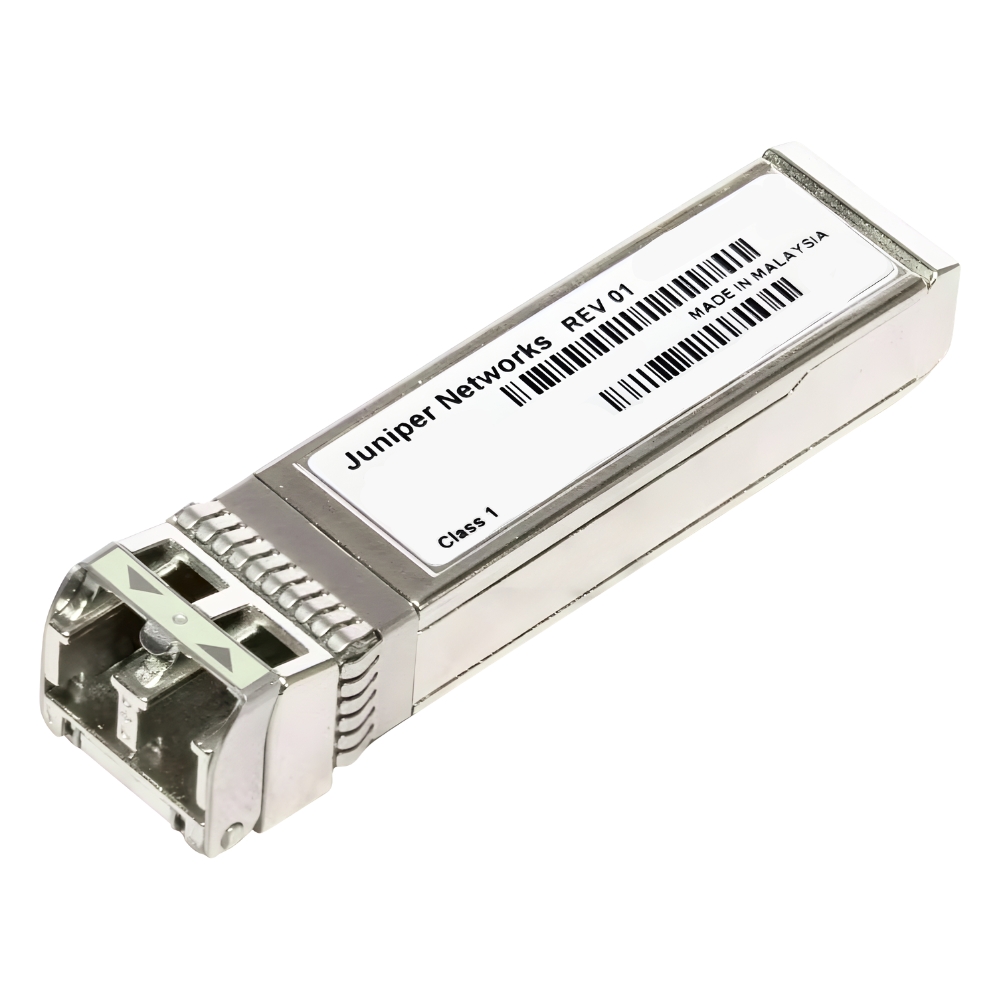
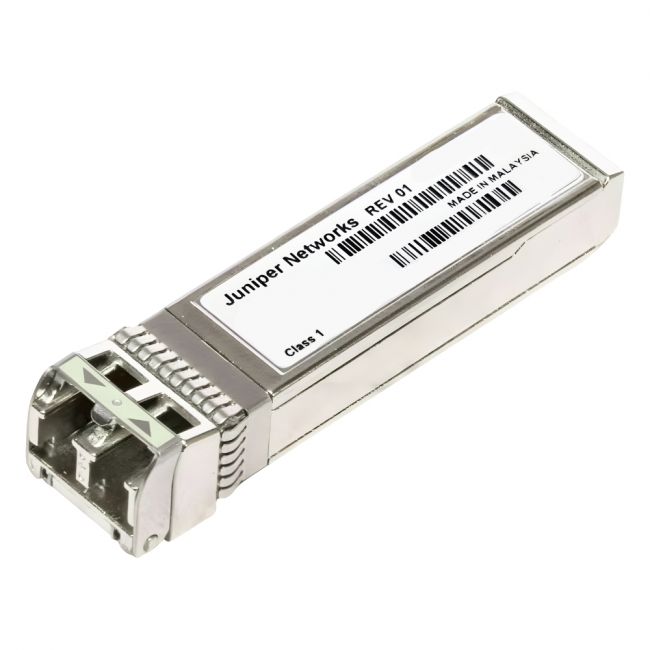
The EX-SFP-10GE-LRM is a compact transceiver module that delivers 10 Gigabit Ethernet connectivity over multimode fiber. It fits into SFP+ ports and is widely used in networking environments requiring moderate distance optical links. Its design balances performance with compatibility, enabling flexible fiber optic deployment. |
General Information |
|
|---|---|
| Brand | Juniper Networks |
Technical Information |
|
|---|---|
| Form Factor | SFP+ |
| Media | MMF |
| Type | DFB |
| Power Consumption | 1.0W |
| Protocols | 10GBase-LRM |
| Connector | LC Duplex |
| DOM Support | Yes |
Physical Characteristics |
|
|---|---|
| Weight | 3.00 |
| Condition | Refurbished |
Product Description |
|---|
The EX-SFP-10GE-LRM is a 10GBase-LRM SFP+ transceiver designed to support high-speed data transmission over multimode fiber. Its 1310nm wavelength allows it to handle connections up to 220 meters, making it suitable for short to medium reach fiber links. Often found in data center and enterprise networking equipment, this module is built for environments that require reliable 10 Gigabit Ethernet links. IT professionals and network administrators commonly use it to extend network reach without sacrificing performance. Key Features
This transceiver plays a key role in maintaining consistent network performance by efficiently handling high-speed data transfer. Its compatibility and reliable operation contribute to overall system stability in networking setups. |
Use Cases |
|---|
The EX-SFP-10GE-LRM transceiver is typically deployed in enterprise networks and data centers where 10 Gigabit Ethernet links over multimode fiber are required. It suits environments with existing multimode cabling infrastructure and where moderate distance connections are common. How It's Used:
By enabling efficient 10GbE transmission in these contexts, the module supports scalable network architectures and helps maintain consistent throughput. Its integration into existing fiber networks enhances operational efficiency without demanding extensive infrastructure changes. |
 Shipping Options
 International Delivery
Requires a UPS, FedEx, or DHL account. Customers may arrange pickup from our US warehouse.
International Delivery
Requires a UPS, FedEx, or DHL account. Customers may arrange pickup from our US warehouse.
 Payment Methods
We accept Visa, Mastercard, AMEX, Discover, and Wire Transfer.
Payment Methods
We accept Visa, Mastercard, AMEX, Discover, and Wire Transfer.
 Purchase Orders
We process purchase orders for government agencies, enterprises, data centers, and SMBs.
Purchase Orders
We process purchase orders for government agencies, enterprises, data centers, and SMBs.