

Subscribe To Our Newsletter!
Subscribe to the newsletter to stay up to date with the latest news and most useful
Newsletter
↑
Back to Top



Product Overview |
|---|
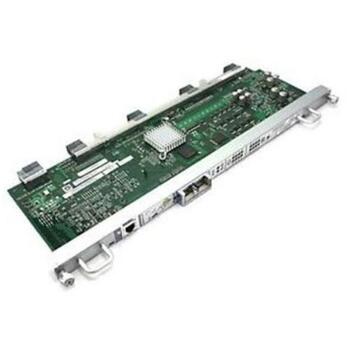
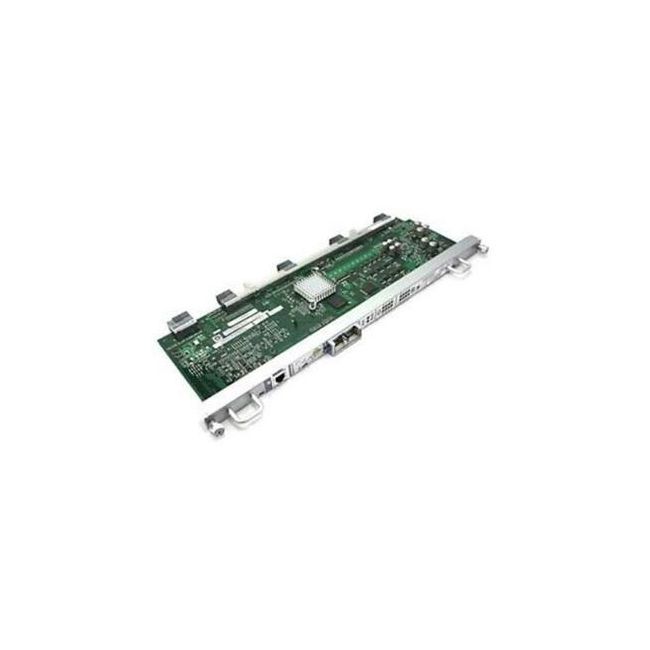
The EMC 4GB Fibre Channel Link Control for DAE3P acts as a vital interface module, connecting disk array enclosures to the broader storage network. It fits within EMC storage infrastructure to ensure stable, high-speed data transfers crucial for enterprise storage tasks and server communication. |
General Information |
|
|---|---|
| Brand | EMC |
| Part Number | 100-562-126 |
Physical Characteristics |
|
|---|---|
| Weight | 3.00 |
| Condition | Refurbished |
Miscellaneous |
|
|---|---|
| Assembly Required | Yes |
| Eco Friendly | Yes |
Product Description |
|---|
This 4GB Fibre Channel Link Control module is built for EMC's DAE3P disk array enclosures, facilitating smooth and efficient data transfer within the storage infrastructure. It's often found in enterprise storage setups where high-speed communication between disk arrays and host systems is essential. IT professionals and storage administrators use these modules to maintain consistent, high-throughput connections that help optimize storage performance and reliability in data centers. Key Features
Typically deployed in enterprise data centers, these link control modules help maintain efficient storage networking, making them a crucial component in large-scale storage environments. They allow for reliable communication paths that support continuous data availability and effective storage management. |
Use Cases |
|---|
The EMC 4GB Fibre Channel Link Control for DAE3P is primarily utilized within enterprise storage infrastructures where high-speed connectivity between disk array enclosures and servers is essential. It benefits IT professionals managing large-scale data centers requiring reliable Fibre Channel links to maintain efficient data flow and system integrity. How It's Used:
This link control module supports operational efficiency by ensuring stable and high-throughput connectivity, which is vital for maintaining performance in complex storage networks. Its role in scalable architecture allows IT teams to expand storage capacity without compromising data transfer reliability. |
 Shipping Options
 International Delivery
Requires a UPS, FedEx, or DHL account. Customers may arrange pickup from our US warehouse.
 Payment Methods
We accept Visa, Mastercard, AMEX, Discover, and Wire Transfer.
 Purchase Orders
We process purchase orders for government agencies, enterprises, data centers, and SMBs.