

Subscribe To Our Newsletter!
Subscribe to the newsletter to stay up to date with the latest news and most useful
Newsletter
↑
Back to Top



Product Overview |
|---|
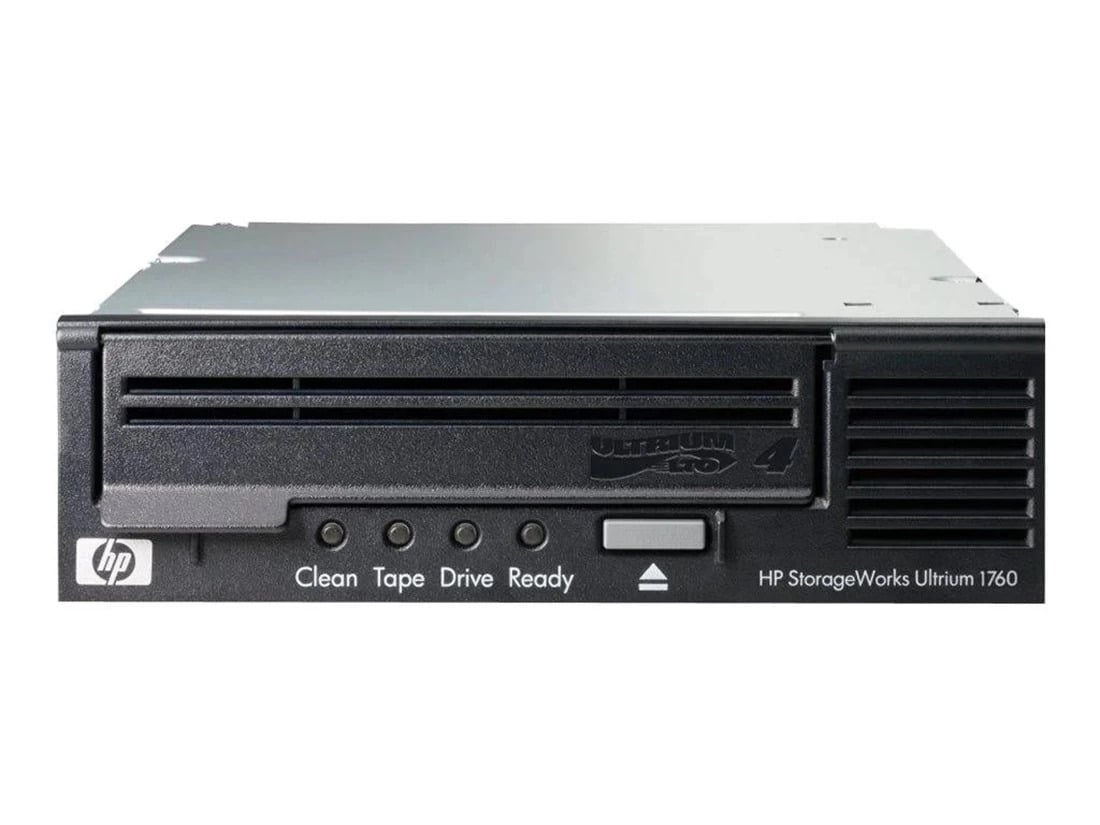
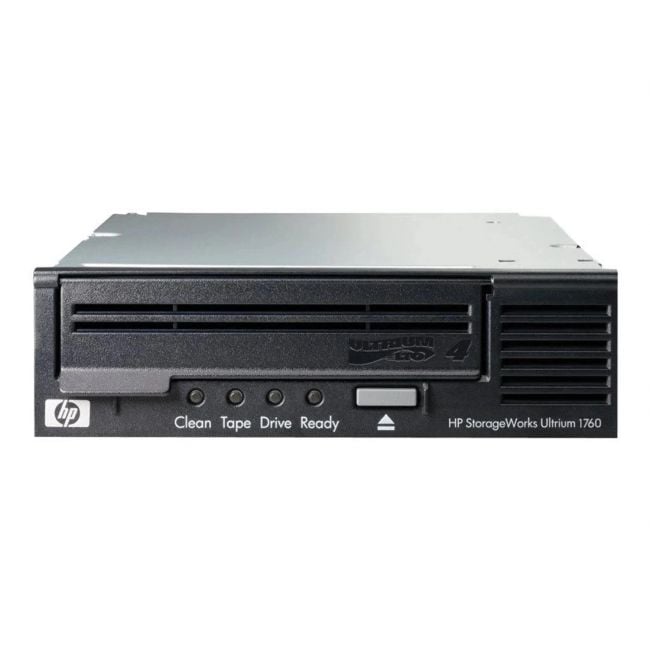
The EH921B HP LTO-4 Ultrium 1760 tape drive provides a dependable solution for internal backup storage in servers and workstations. It fits into a standard 5.25-inch bay and connects through SCSI for solid compatibility with existing infrastructures. This drive helps organizations manage large data sets with efficient compression and fast transfer speeds, making it a practical choice for routine backup and archival tasks. |
General Information |
|
|---|---|
| Brand | HP |
Technical Information |
|
|---|---|
| Media Type | LTO-4 Ultrium Tape Cartridge |
| Capacity Compressed | 1.6 TB (2:1 compression) |
| Capacity Native | 800 GB |
| Recording Format | LTO-4, Ultrium |
| Backward Compatibility | Read LTO-3,Read LTO-2,Write LTO-3 |
| Hot Pluggable | No |
| Hot Swappable | No |
Interfaces/Ports |
|
|---|---|
| Interface | SCSI |
Physical Characteristics |
|
|---|---|
| Dimensions | 1/2H x 5.25in x (depth not specified) |
| Condition | Refurbished |
| Weight | 5.00 |
Miscellaneous |
|
|---|---|
| Compliance Standards | RoHS, CE, FCC, UL |
Product Description |
|---|
The EH921B HP LTO-4 Ultrium 1760 is an internal tape drive designed for data backup and long-term storage. It uses Linear Tape-Open (LTO) generation 4 technology, which offers high capacity and fast transfer rates. This drive is often found in servers or storage arrays where reliable and secure archiving is essential. Built for IT professionals and system administrators, it supports large-scale data management tasks, including routine backups and disaster recovery. Its SCSI interface ensures compatibility with many enterprise storage environments and legacy systems. Key Features
This tape drive is typically deployed in data centers, backup servers, and archival storage systems where consistent performance over time matters. It plays a key role in maintaining data integrity and managing large volumes of critical information without frequent media replacements. |
Use Cases |
|---|
The EH921B HP LTO-4 Ultrium 1760 tape drive is primarily deployed in enterprise and medium-sized data centers where robust data backup and archival are critical. IT administrators managing legacy SCSI-based storage infrastructures benefit from its compatibility and high-capacity storage, particularly in environments requiring secure, long-term data retention. How It's Used:
The drive's reliable performance and compatibility with standard bay sizes make it adaptable for scaling backup strategies across diverse IT environments. It supports operational continuity by enabling efficient data lifecycle management without imposing significant infrastructure changes. |
 Shipping Options
 International Delivery
Requires a UPS, FedEx, or DHL account. Customers may arrange pickup from our US warehouse.
International Delivery
Requires a UPS, FedEx, or DHL account. Customers may arrange pickup from our US warehouse.
 Payment Methods
We accept Visa, Mastercard, AMEX, Discover, and Wire Transfer.
Payment Methods
We accept Visa, Mastercard, AMEX, Discover, and Wire Transfer.
 Purchase Orders
We process purchase orders for government agencies, enterprises, data centers, and SMBs.
Purchase Orders
We process purchase orders for government agencies, enterprises, data centers, and SMBs.