

Subscribe To Our Newsletter!
Subscribe to the newsletter to stay up to date with the latest news and most useful
Newsletter
↑
Back to Top



Product Overview |
|---|
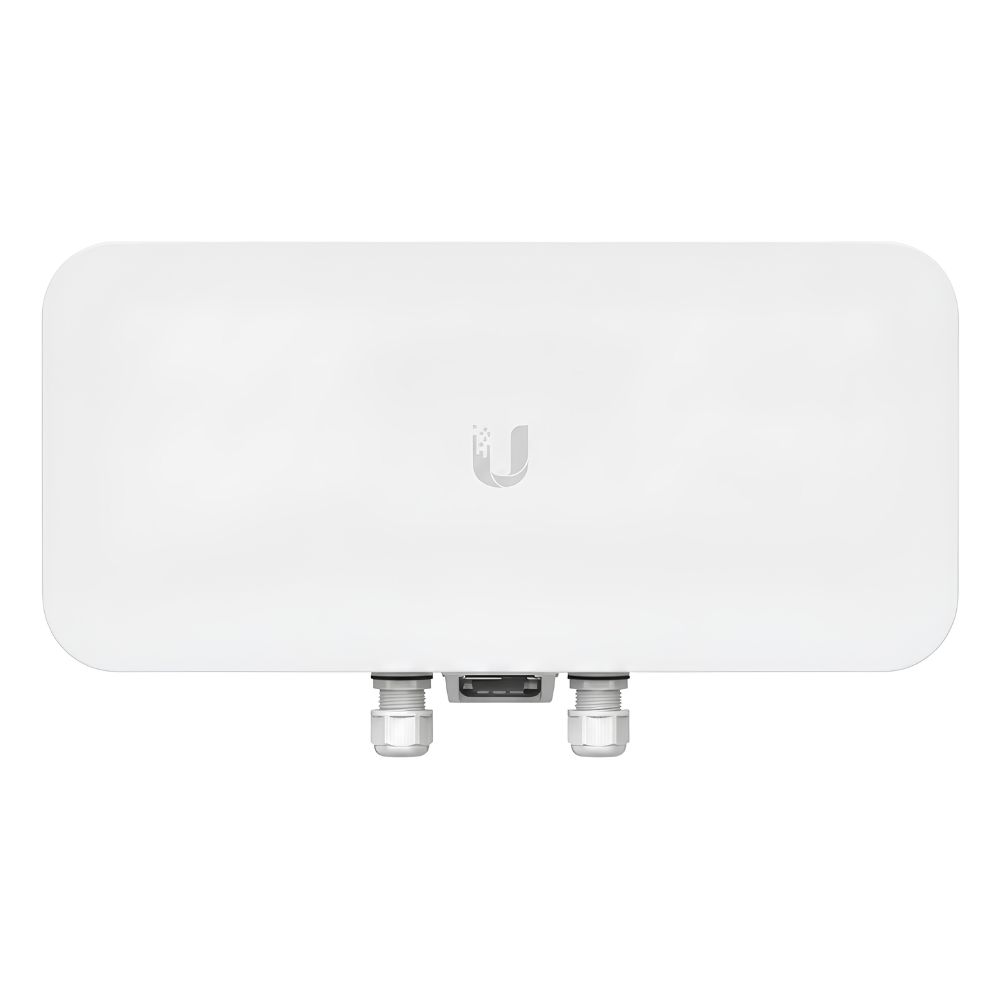
The Ubiquiti E7-AUDIENCE is a network device providing up to 11500 Mbit/s data throughput with Power over Ethernet (PoE) functionality. Its design supports streamlined installation by combining power and data over one cable, finished in white for discrete deployment in various networking environments. |
General Information |
|
|---|---|
| Brand | Ubiquiti |
| Condition | Refurbished |
Technical Information |
|
|---|---|
| Input Voltage | Power over Ethernet (PoE) |
| Cooling Type | Fanless |
Compatibility |
|
|---|---|
| Form Factor | Proprietary |
Physical Characteristics |
|
|---|---|
| Weight | 3.00 |
Product Description |
|---|
The Ubiquiti E7-AUDIENCE is a network device designed to provide high-speed data connectivity with a maximum throughput of 11500 Mbit/s. It integrates Power over Ethernet (PoE) capabilities, allowing it to receive power and data over a single cable, simplifying installation and reducing cable clutter. This product is typically used in environments that require robust and fast networking solutions, such as enterprise networks or high-density wireless deployments. Network administrators and IT professionals benefit from its streamlined deployment and effective performance. Key Features
The E7-AUDIENCE's integration of PoE reduces the need for separate power supplies, aiding easier network setups. Its high data throughput supports extensive networking demands, making it a practical component for enhancing network capacity and simplifying infrastructure. |
Use Cases |
|---|
The Ubiquiti E7-AUDIENCE is commonly deployed in enterprise and high-density wireless network environments where elevated data speeds and simplified cabling are essential. It suits network administrators managing bandwidth-intensive applications and installations requiring clean setup with minimal cabling. How It's Used:
This product plays a role in enhancing network capacity while reducing installation complexity. It serves to maintain efficient network operation in scenarios demanding both performance and ease of physical deployment. |
FAQ's |
|---|
|
 Shipping Options
 International Delivery
Requires a UPS, FedEx, or DHL account. Customers may arrange pickup from our US warehouse.
 Payment Methods
We accept Visa, Mastercard, AMEX, Discover, and Wire Transfer.
 Purchase Orders
We process purchase orders for government agencies, enterprises, data centers, and SMBs.