

Subscribe To Our Newsletter!
Subscribe to the newsletter to stay up to date with the latest news and most useful
Newsletter
↑
Back to Top



Product Overview |
|---|
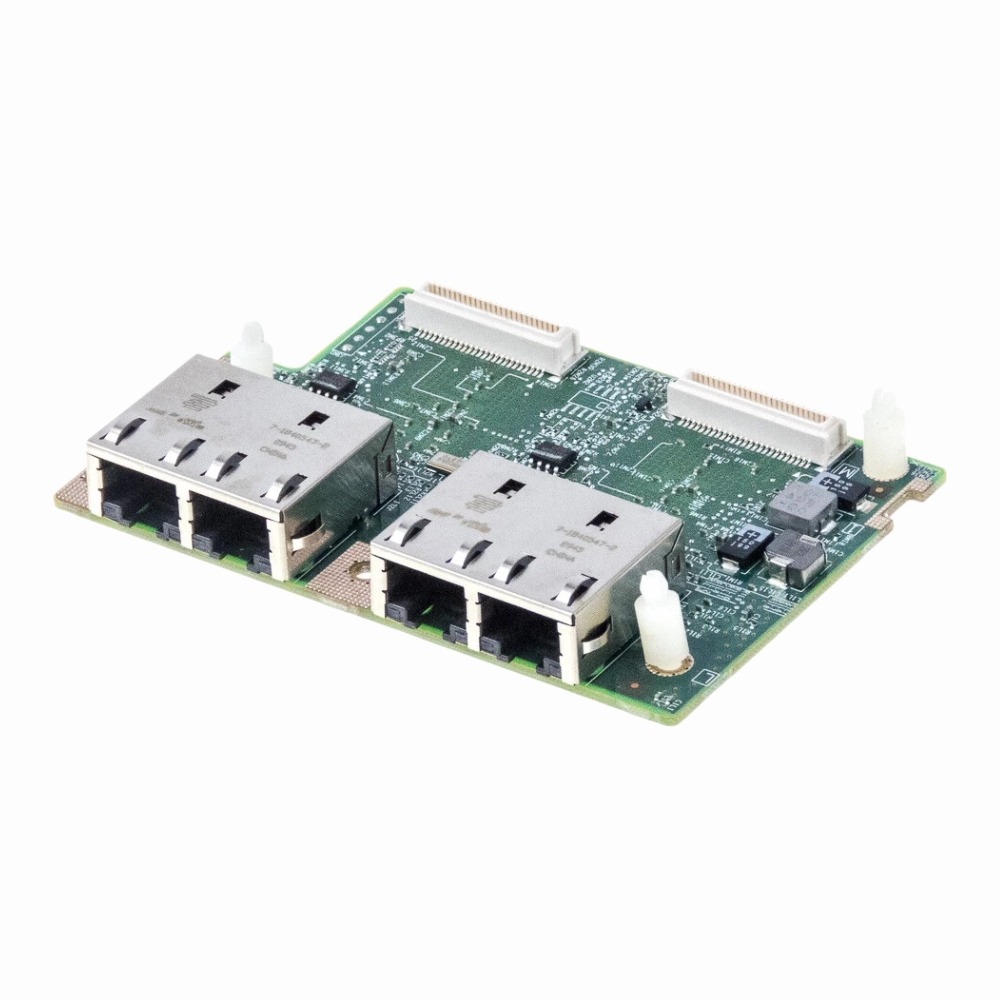
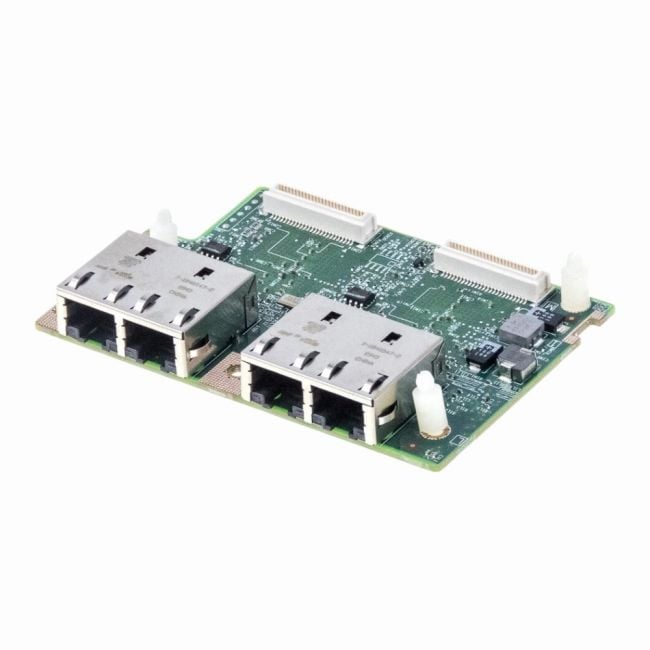
The Intel Quad-Ports Gigabit Ethernet LAN I/O Expansion Module provides four dedicated Gigabit Ethernet interfaces for Intel server platforms, enhancing network connectivity and performance. It's designed to fit into Intel servers, offering a straightforward way to add multiple network ports for diverse networking needs. |
General Information |
|
|---|---|
| Brand | Intel |
| Part Number | E26774-301 |
| Condition | Refurbished |
Technical Information |
|
|---|---|
| Switch Ports | 4 |
| Number of Ports | 4-Ports |
| Port Type | 10/100/1000Base-T |
| Port Speed | 10/100/1000Base-T |
| POE Support | No |
| VLAN Support | Yes |
| Stackable | No |
| Connector Type | RJ-45 |
Performance |
|
|---|---|
| Jumbo Frame Support | Up To 9000 Bytes |
Management and Configuration |
|
|---|---|
| Management Interfaces | PCIe |
| Security Features | 802.1X,VLAN tagging (802.1Q),802.1p QoS |
Power & Cooling |
|
|---|---|
| Fans | No |
Physical Characteristics |
|
|---|---|
| Weight | 4.00 |
Miscellaneous |
|
|---|---|
| Compliance Standards | RoHS, CE, FCC |
| Compliant Standards | IEEE 802.3, IEEE 802.3u, IEEE 802.3ab, IEEE 802.1Q, IEEE 802.1p, IEEE 802.3x |
Product Description |
|---|
This Intel Quad-Ports Gigabit Ethernet LAN I/O Expansion Module adds essential network connectivity to compatible Intel server systems. It enables multiple high-speed Ethernet connections, enhancing data transfer capabilities and network performance. Often found in data centers and enterprise server environments, this module is built for IT professionals and system administrators who require reliable, scalable network access. It seamlessly integrates into existing server hardware, making it easier to expand network capacity without replacing the entire system. Key Features
This module is typically deployed in enterprise servers, storage systems, and virtualization platforms where multiple network interfaces are critical. It improves network flexibility and reliability, supporting a variety of workloads without compromising system performance. |
 Shipping Options
 International Delivery
Requires a UPS, FedEx, or DHL account. Customers may arrange pickup from our US warehouse.
International Delivery
Requires a UPS, FedEx, or DHL account. Customers may arrange pickup from our US warehouse.
 Payment Methods
We accept Visa, Mastercard, AMEX, Discover, and Wire Transfer.
Payment Methods
We accept Visa, Mastercard, AMEX, Discover, and Wire Transfer.
 Purchase Orders
We process purchase orders for government agencies, enterprises, data centers, and SMBs.
Purchase Orders
We process purchase orders for government agencies, enterprises, data centers, and SMBs.