

Subscribe To Our Newsletter!
Subscribe to the newsletter to stay up to date with the latest news and most useful
Newsletter
↑
Back to Top



Product Overview |
|---|
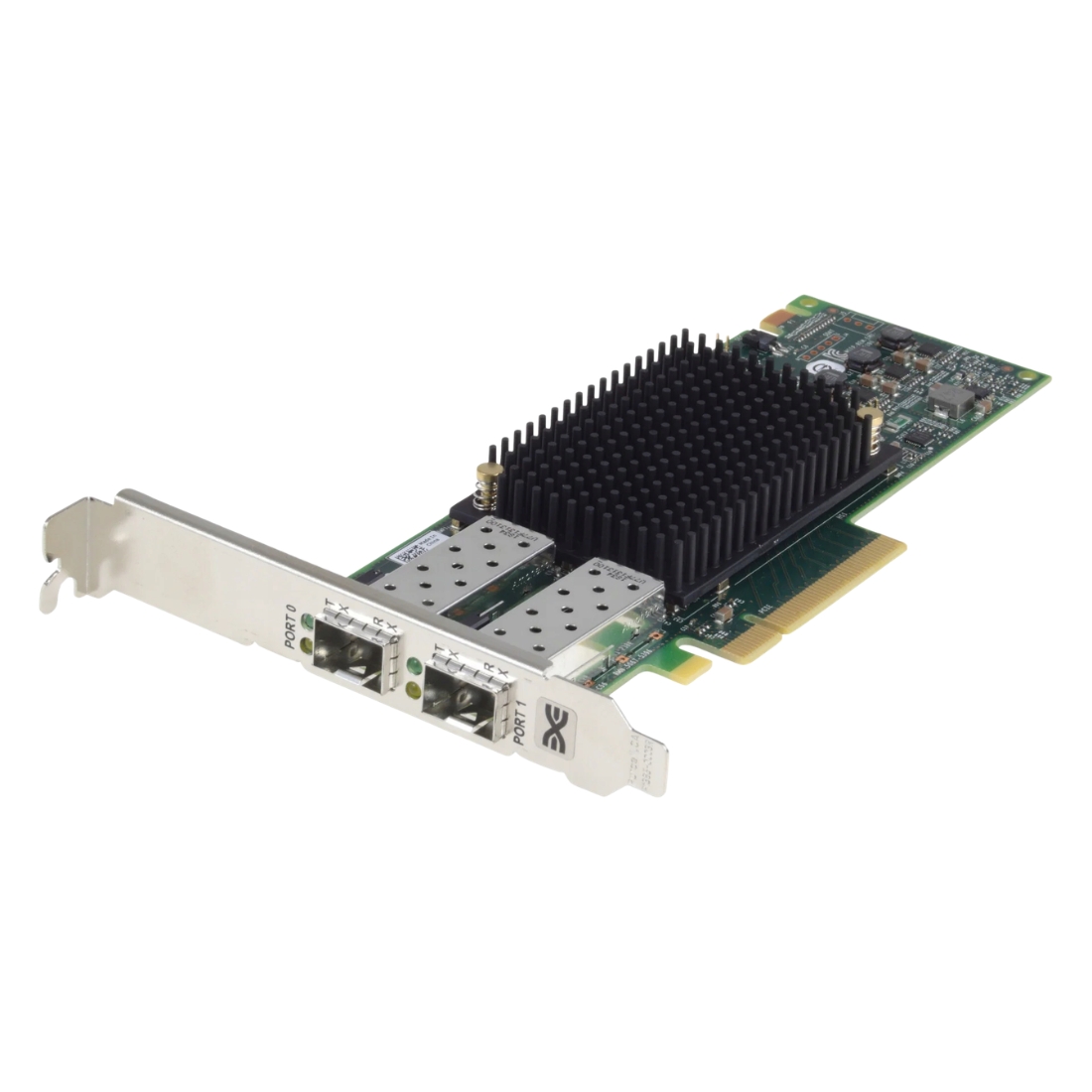
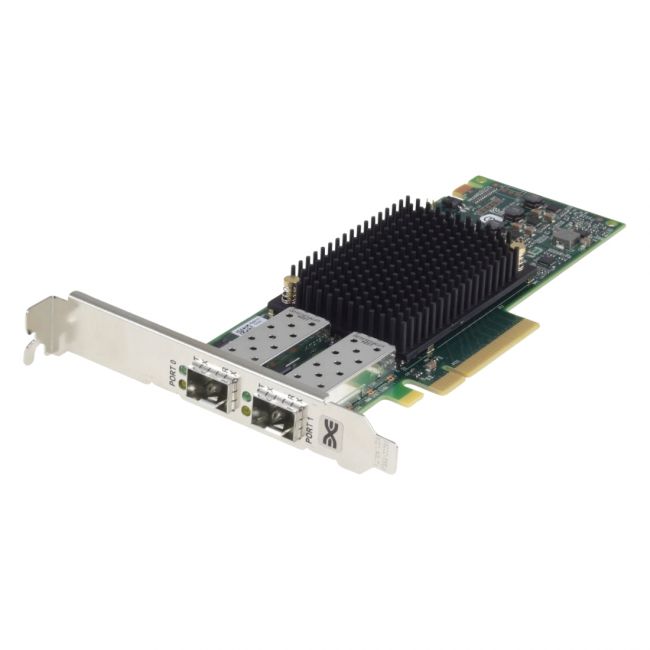
The D-Link DUB-1310 expands network capacity by adding dual 5Gbps ports through a PCIe interface. It complements existing DUB-1340 adapters and fits into system configurations where increased bandwidth and multi-port access are necessary, offering balanced performance and compatibility. |
General Information |
|
|---|---|
| Brand | D-Link |
Technical Information |
|
|---|---|
| Product Type | Port Expansion Card |
| Data Rate (Speed) | 5GbE |
| Data Center Bridging | No |
| Number of Ports | 2-Port (Dual) |
Connectivity & Physical |
|
|---|---|
| Port Type | RJ-45 (Copper) |
| Cabling Type | Cat6a |
| Weight | 3.00 |
| Condition | Refurbished |
Miscellaneous |
|
|---|---|
| Assembly Required | No |
| Compliance Standards | WEEE, RoHS, CE, FCC |
Product Description |
|---|
The DUB-1310 is designed to provide two 5Gbps Ethernet ports, expanding network throughput capabilities in systems requiring high bandwidth. Often found in server environments or desktop workstations, it serves as a practical upgrade for users needing faster and reliable network connections. Commonly paired with the DUB-1340 PCIe network adapter, this module enhances multi-port configurations for increased network flexibility. Network administrators and IT professionals benefit from its ease of integration and robust performance across various infrastructure setups. Key Features
This network adapter module plays an important role in enhancing network throughput and flexibility without complex installation procedures. Its reliable performance supports consistent data transfer rates and helps maintain smooth network operation under demanding workloads. Overall, the DUB-1310 provides a straightforward solution for extending network capabilities in various IT environments, contributing to effective network management and scalability. |
Use Cases |
|---|
This adapter is typically deployed in office networks, data centers, and professional workstations that require enhanced network throughput. IT teams and network engineers use it to scale connectivity options while maintaining efficient data flows across their infrastructure. How It's Used:
Its role in these environments is to provide reliable and scalable network connections that align with organizational needs, ensuring smooth and efficient operations without introducing bottlenecks or compatibility issues. |
 Shipping Options
 International Delivery
Requires a UPS, FedEx, or DHL account. Customers may arrange pickup from our US warehouse.
International Delivery
Requires a UPS, FedEx, or DHL account. Customers may arrange pickup from our US warehouse.
 Payment Methods
We accept Visa, Mastercard, AMEX, Discover, and Wire Transfer.
Payment Methods
We accept Visa, Mastercard, AMEX, Discover, and Wire Transfer.
 Purchase Orders
We process purchase orders for government agencies, enterprises, data centers, and SMBs.
Purchase Orders
We process purchase orders for government agencies, enterprises, data centers, and SMBs.