

Subscribe To Our Newsletter!
Subscribe to the newsletter to stay up to date with the latest news and most useful
Newsletter
↑
Back to Top



Product Overview |
|---|
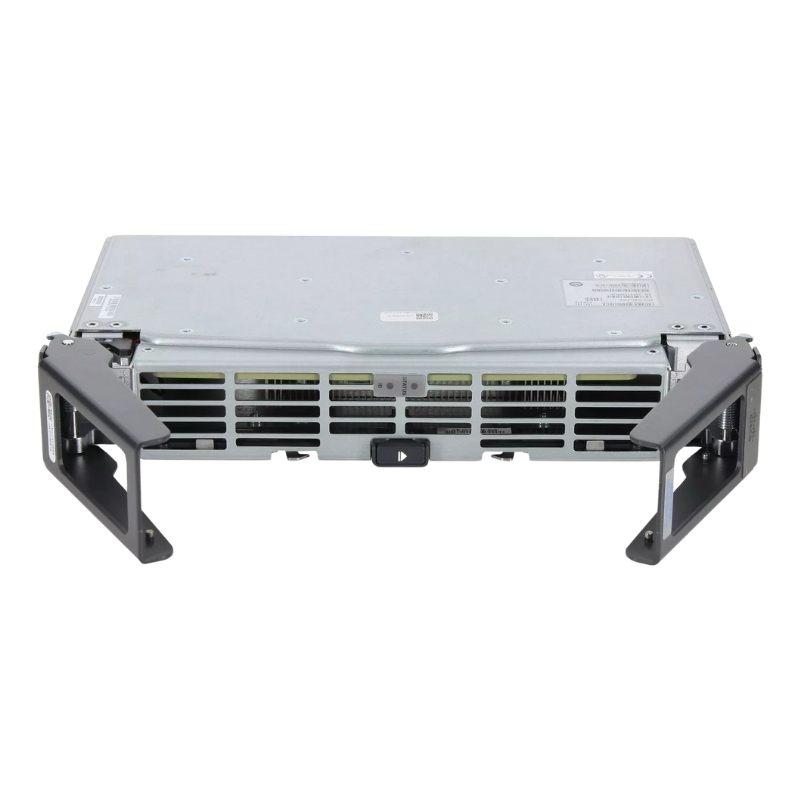
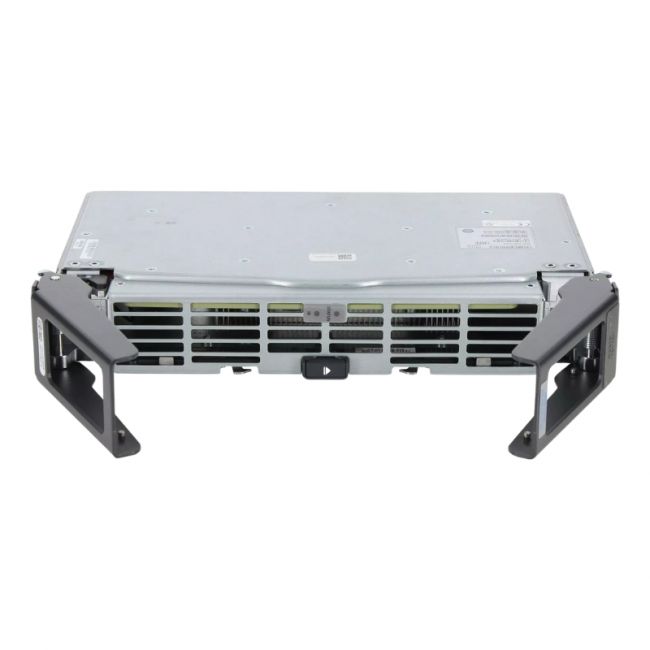
The DS-X9706-FAB1 Cisco MDS 9706 Series Crossbar Switching Fabric-1 Module serves as the backbone for data switching within the Cisco MDS 9706 chassis. It handles high-speed data transfers between fabric components and supports configurations aimed at maintaining network uptime. This module fits into enterprise storage networks where dependable connectivity and scalable performance are essential. |
General Information |
|
|---|---|
| Brand | Cisco |
| Part Number | DS-X9706-FAB1 |
Technical Information |
|
|---|---|
| Series | MDS 9706 Series |
| product type | Crossbar Switching Fabric-1 Module |
| Product Category | Switching Fabric Module |
| Compatibility | Cisco MDS 9706 chassis |
Miscellaneous |
|
|---|---|
| Assembly Required | Yes |
| Eco Friendly | Yes |
| Compliance Standards | WEEE, RoHS, cURus, CE, FCC, CCC, UL, TUV, cULus, CSA, cUL |
Physical Characteristics |
|
|---|---|
| Form Factor | Hot-swappable fabric module |
| Weight | 5.00 |
| Condition | Refurbished |
Product Description |
|---|
The DS-X9706-FAB1 is a crossbar switching fabric module designed specifically for the Cisco MDS 9706 series chassis. It functions as the core switching fabric, enabling efficient data flow between various line cards within a storage area network (SAN). Often found in enterprise data centers, this module is built to handle high-throughput demands and ensure smooth SAN operations. Network administrators and storage professionals benefit from its ability to scale bandwidth while maintaining low latency. Key Features
This module is typically deployed in large-scale storage networks where consistent performance and reliability are critical. Its role in managing data traffic across the MDS 9706 chassis helps maintain smooth storage operations without bottlenecks. By integrating this fabric module, organizations can expect stable SAN connectivity and improved overall system efficiency. |
 Shipping Options
 International Delivery
Requires a UPS, FedEx, or DHL account. Customers may arrange pickup from our US warehouse.
International Delivery
Requires a UPS, FedEx, or DHL account. Customers may arrange pickup from our US warehouse.
 Payment Methods
We accept Visa, Mastercard, AMEX, Discover, and Wire Transfer.
Payment Methods
We accept Visa, Mastercard, AMEX, Discover, and Wire Transfer.
 Purchase Orders
We process purchase orders for government agencies, enterprises, data centers, and SMBs.
Purchase Orders
We process purchase orders for government agencies, enterprises, data centers, and SMBs.