

Subscribe To Our Newsletter!
Subscribe to the newsletter to stay up to date with the latest news and most useful
Newsletter
↑
Back to Top



Product Overview |
|---|
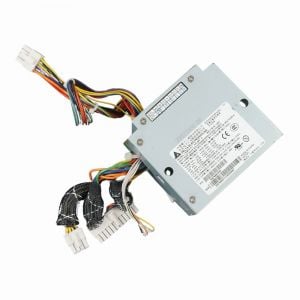
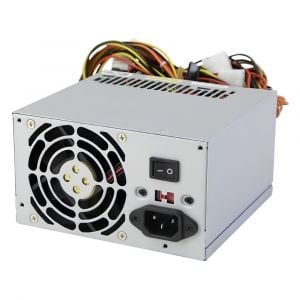
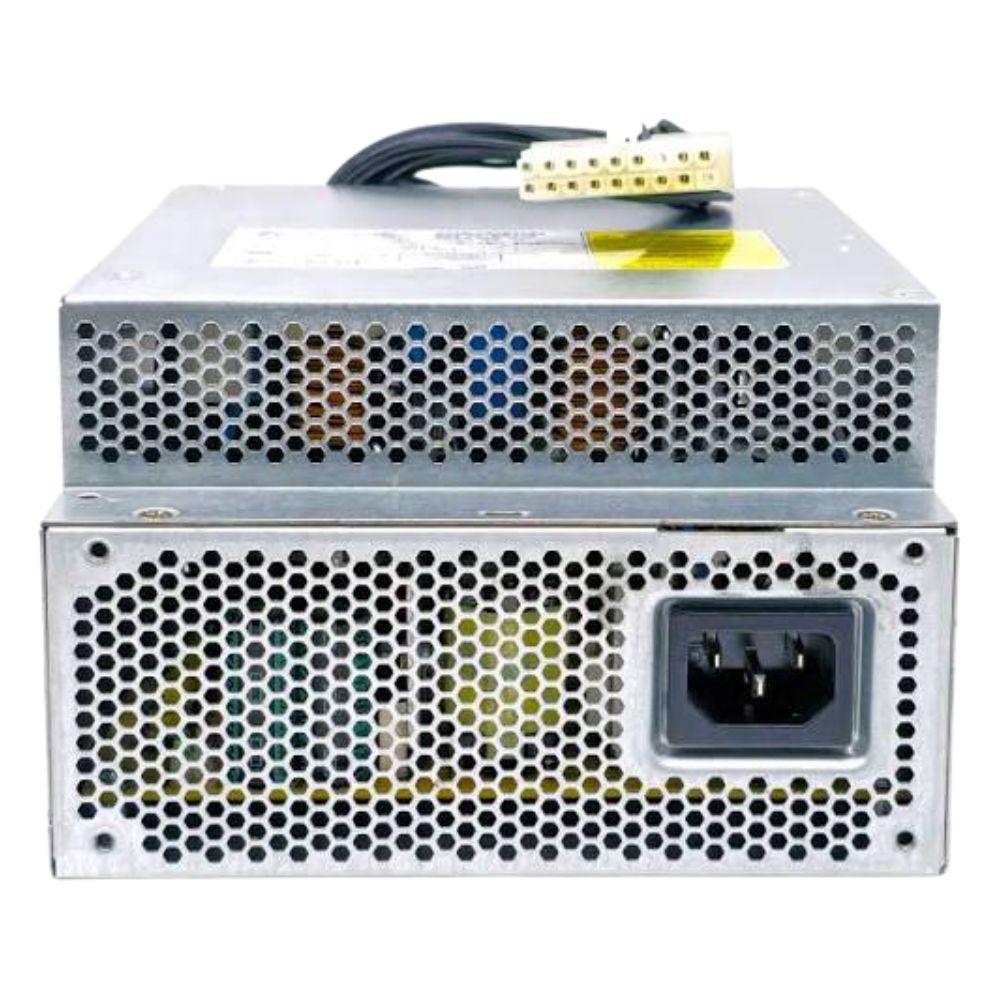
The Delta DPS-525AB-3 A is a 525W power supply designed for use with AC inputs ranging from 100 to 240 volts. It fits environments requiring reliable DC power conversion within this wattage and voltage specification, supporting various electronic and industrial equipment. |
General Information |
|
|---|---|
| Brand | Delta |
| Condition | Refurbished |
Technical Information |
|
|---|---|
| Input Voltage | 100-240V AC |
| Input Frequency | 50/60Hz |
| Output | 12V |
| Max. Output Power | 525W |
| Cooling Type | Active Fan |
| Modularity | Non-Modular |
| rail_design | Single 12V Rail |
| Number of Fans | 1 |
Compatibility |
|
|---|---|
| Form Factor | Proprietary |
Physical Characteristics |
|
|---|---|
| Weight | 3.00 |
Certifications and Environmental |
|
|---|---|
| Assembly Required | No |
Product Description |
|---|
The Delta DPS-525AB-3 A is a 525-watt power supply unit designed to convert AC input voltage in the range of 100 to 240 volts into reliable DC power output. This power supply is suitable for use in systems requiring consistent power delivery within its wattage specification. Typically used in industrial or computing environments, this unit serves technical users who need a dependable power source for their equipment. Key Features
This power supply plays a central role in maintaining system stability by providing consistent voltage and current within its rated capacity. It is appropriate for setups where 525 watts of power is necessary to operate components or subsystems. |
Use Cases |
|---|
The Delta DPS-525AB-3 A power supply is commonly used in industrial and computing settings where a stable 525W power source is required. It suits environments with variable input voltages from 100 to 240 volts, accommodating international power standards. How It's Used:
In operation, this power supply ensures that connected devices receive steady power, helping maintain system reliability and preventing power-related disruptions. It is typically a critical component in environments where power quality and stability are necessary. |
FAQ's |
|---|
|
 Shipping Options
 International Delivery
Requires a UPS, FedEx, or DHL account. Customers may arrange pickup from our US warehouse.
 Payment Methods
We accept Visa, Mastercard, AMEX, Discover, and Wire Transfer.
 Purchase Orders
We process purchase orders for government agencies, enterprises, data centers, and SMBs.