

Subscribe To Our Newsletter!
Subscribe to the newsletter to stay up to date with the latest news and most useful
Newsletter
↑
Back to Top



Product Overview |
|---|
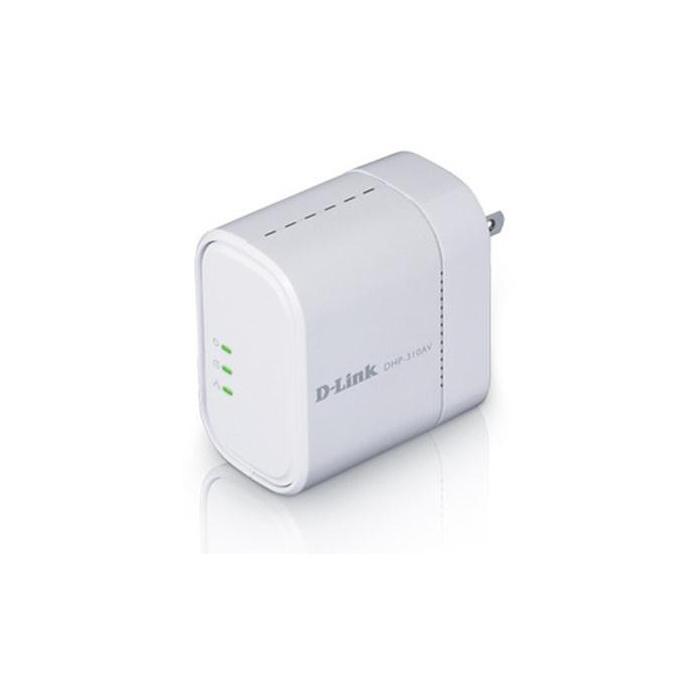
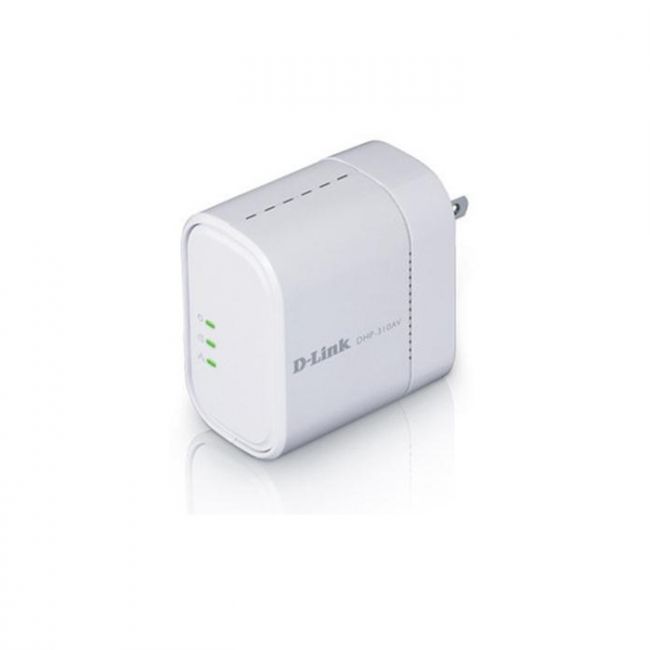
The D-Link 200 Mbps 10/100Base-T Powerline Network Adapter facilitates straightforward network extension by leveraging existing electrical wiring. It fits well in setups requiring a simple, no-fuss solution to add wired connections without additional cabling. |
General Information |
|
|---|---|
| Brand | D-Link |
Technical Information |
|
|---|---|
| Series | PowerLine AV 200 |
| product type | Powerline Network Adapter |
| Product Category | Powerline Adapter |
| Compatibility | HomePlug AV, IEEE 802.3, IEEE 802.3u, Compatible with other HomePlug AV devices and D-Link PowerLine adapters |
Miscellaneous |
|
|---|---|
| Assembly Required | No |
| Compliance Standards | RoHS, CE, FCC |
Physical Characteristics |
|
|---|---|
| Form Factor | Wall-plug powerline adapter |
| Weight | 3.00 |
| Condition | Refurbished |
Product Description |
|---|
The D-Link 200 Mbps 10/100Base-T Powerline Network Adapter allows users to extend their network connectivity through existing electrical circuits. It is often found in residential and small office settings where running new Ethernet cables is impractical. Built for users seeking straightforward network expansion, it simplifies connecting devices without compromising on speed. Key Features
This adapter plays a practical role in extending stable wired connections where Wi-Fi may be weak or unavailable. It provides reliable network performance without the hassle of new installations, making it a handy option for enhancing connectivity in various spaces. |
Use Cases |
|---|
The DHP-310AV is typically used to broaden network reach in environments where running Ethernet cables is difficult or undesirable. It benefits users needing dependable wired connections in locations such as homes, small offices, or multi-room setups. How It's Used:
By utilizing the powerline infrastructure, this adapter supports improved network performance and scalability in spaces where physical cabling options are limited. It maintains consistent data transmission suited to the needs of various connected devices. |
 Shipping Options
 International Delivery
Requires a UPS, FedEx, or DHL account. Customers may arrange pickup from our US warehouse.
International Delivery
Requires a UPS, FedEx, or DHL account. Customers may arrange pickup from our US warehouse.
 Payment Methods
We accept Visa, Mastercard, AMEX, Discover, and Wire Transfer.
Payment Methods
We accept Visa, Mastercard, AMEX, Discover, and Wire Transfer.
 Purchase Orders
We process purchase orders for government agencies, enterprises, data centers, and SMBs.
Purchase Orders
We process purchase orders for government agencies, enterprises, data centers, and SMBs.