Subscribe To Our Newsletter!
Subscribe to the newsletter to stay up to date with the latest news and most useful
Newsletter
↑
Back to Top



Product Overview |
|---|
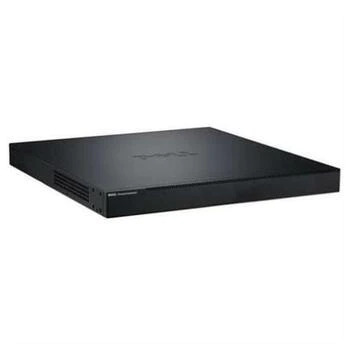
The M1601P Dell M1000e 16-Port 10GbE Ethernet Blade Pass-Through Module II provides a simple way to connect blade servers directly to external networks. It fits into Dell’s M1000e chassis and enables 16 individual 10Gb Ethernet connections without internal switching. This makes it suitable for setups where straightforward, high-speed connectivity is preferred over complex internal network management. |
General Information |
|
|---|---|
| Brand | Dell |
| Part Number | M1601P |
Technical Information |
|
|---|---|
| Series | M1601P / M1000e |
| product type | 16-Port 10GbE Ethernet Blade Pass-Through Module II |
| Product Category | Network Switches & Modules |
| Compatibility | Dell PowerEdge M1000e blade chassis |
Miscellaneous |
|
|---|---|
| Assembly Required | Yes |
| Eco Friendly | Yes |
| Compliance Standards | WEEE, RoHS, cURus, CE, FCC, CCC, UL, TUV, cULus, CSA, cUL |
Physical Characteristics |
|
|---|---|
| Form Factor | Blade I/O Pass-Through Module (mezzanine for M1000e) |
| Weight | 6.50 |
| Condition | Refurbished |
Product Description |
|---|
The M1601P Dell M1000e 16-Port 10GbE Ethernet Blade Pass-Through Module II acts as a direct network interface inside the Dell M1000e blade chassis. Instead of switching or managing traffic internally, it passes the network connections straight through to external switches or routers. This setup is commonly found in data centers and enterprise environments where simplicity and high-speed connectivity are key. Built for IT professionals managing blade servers, this module offers an effective way to maintain fast network links while avoiding the complexities of internal switching. It's often used in setups that require low latency and direct access to external network infrastructure. Key Features
This module typically sits within Dell blade chassis in server rooms or data centers, providing a straightforward path for network traffic. By eliminating internal switching, it helps keep network architecture simple and efficient, which can improve maintenance and reduce points of failure. Its direct pass-through design ensures that each Ethernet port maintains full bandwidth, making it a practical choice for environments handling intensive data workloads. |
Use Cases |
|---|
The Dell M1000e 16-Port 10GbE Ethernet Blade Pass-Through Module II is typically deployed in high-density data center environments where direct, high-speed connectivity from blade servers to external network infrastructure is required. It particularly benefits IT teams managing Dell M1000e chassis setups who prioritize straightforward network topologies without internal switching complexities. How It's Used:
This pass-through module supports operational efficiency by eliminating the need for internal switching resources, allowing scalable and direct network access. It facilitates consistent throughput per port, which is critical for performance-sensitive applications in complex IT environments. |
 Shipping Options
 International Delivery
Requires a UPS, FedEx, or DHL account. Customers may arrange pickup from our US warehouse.
International Delivery
Requires a UPS, FedEx, or DHL account. Customers may arrange pickup from our US warehouse.
 Payment Methods
We accept Visa, Mastercard, AMEX, Discover, and Wire Transfer.
Payment Methods
We accept Visa, Mastercard, AMEX, Discover, and Wire Transfer.
 Purchase Orders
We process purchase orders for government agencies, enterprises, data centers, and SMBs.
Purchase Orders
We process purchase orders for government agencies, enterprises, data centers, and SMBs.