

Subscribe To Our Newsletter!
Subscribe to the newsletter to stay up to date with the latest news and most useful
Newsletter
↑
Back to Top



Product Overview |
|---|
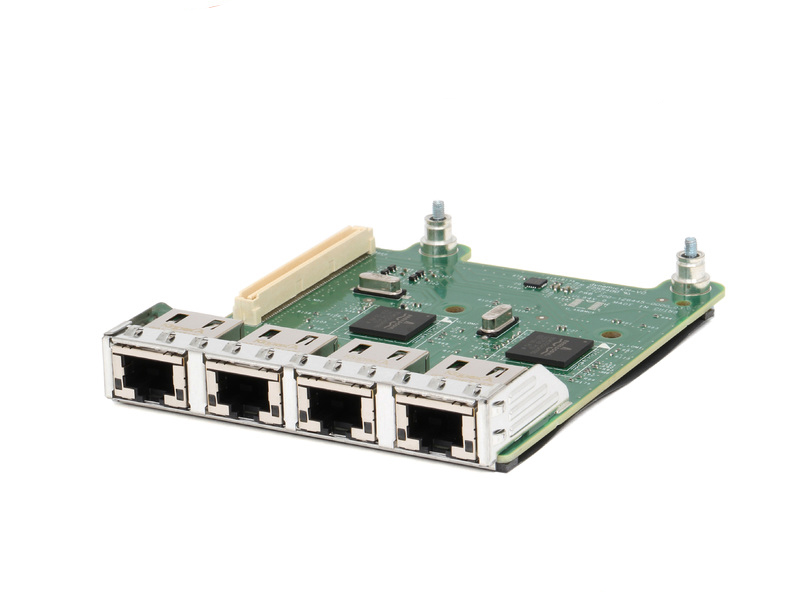
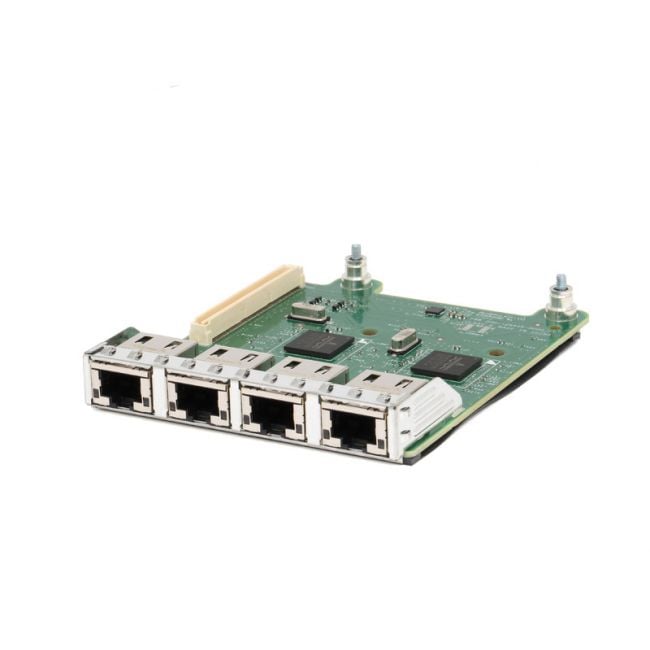
The FM487 5720 Dell Quad-Port 10GbE PCIe 2.0 Network Daughter Card enhances server networking by adding four 10 Gigabit Ethernet ports via a PCIe 2.0 slot. It fits Dell servers and is suited for environments needing reliable, high-speed connections without extra complexity. |
General Information |
|
|---|---|
| Brand | Dell |
| Part Number | FM487 |
Connectivity & Physical |
|
|---|---|
| Weight | 5.00 |
| Condition | Refurbished |
Product Description |
|---|
The FM487 5720 Dell Quad-Port 10GbE PCIe 2.0 Network Daughter Card provides four 10 Gigabit Ethernet connections to enhance network throughput and reduce bottlenecks. It is commonly used in data center servers and enterprise environments where high-speed, reliable network access is critical. Built for Dell PowerEdge servers, this daughter card is often found in setups requiring multiple high-bandwidth connections, such as virtualization hosts, storage networks, and cluster interconnects. IT professionals and system administrators benefit from its robust performance and straightforward integration. Key Features
This network card is typically deployed in enterprise data centers to improve server connectivity and overall network efficiency. Its presence helps reduce latency and supports workloads that demand high throughput, such as large database access and virtual machine traffic. |
Use Cases |
|---|
The FM487 Dell Broadcom 5720 Quad-Port 1GbE Network Daughter Card is ideal for enhancing network connectivity in server environments requiring multiple high-speed Ethernet links. It suits IT infrastructure setups where space and port density are critical, such as data centers or enterprise server farms with demanding virtualization or storage traffic. How It's Used:
This network daughter card supports operational efficiency by consolidating multiple Ethernet connections into a single PCIe interface, reducing cabling complexity and improving server scalability. It enables IT teams to adapt network configurations dynamically to workload demands without extensive hardware changes. |
 Shipping Options
 International Delivery
Requires a UPS, FedEx, or DHL account. Customers may arrange pickup from our US warehouse.
International Delivery
Requires a UPS, FedEx, or DHL account. Customers may arrange pickup from our US warehouse.
 Payment Methods
We accept Visa, Mastercard, AMEX, Discover, and Wire Transfer.
Payment Methods
We accept Visa, Mastercard, AMEX, Discover, and Wire Transfer.
 Purchase Orders
We process purchase orders for government agencies, enterprises, data centers, and SMBs.
Purchase Orders
We process purchase orders for government agencies, enterprises, data centers, and SMBs.