

Subscribe To Our Newsletter!
Subscribe to the newsletter to stay up to date with the latest news and most useful
Newsletter
↑
Back to Top



Product Overview |
|---|
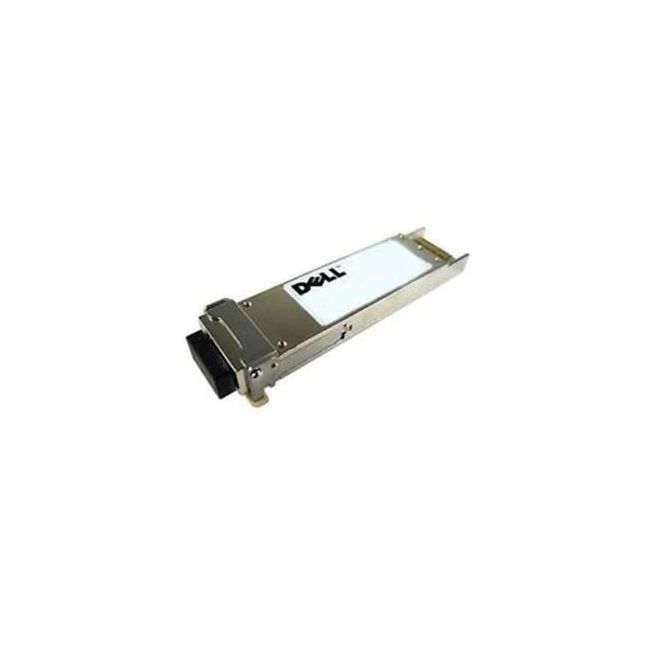
The Dell Dual-Port 3G Daughter Card for PowerEdge C Series servers adds mobile broadband capability directly inside the server chassis. It fits into the server hardware to provide cellular access, primarily used in remote or offsite deployments where wired connectivity is impractical. By integrating into these specific Dell servers, it enables network communication via 3G cellular networks, supporting ongoing management and data transfer needs in such environments. |
General Information |
|
|---|---|
| Brand | Dell |
| Part Number | 1CMYH |
Technical Information |
|
|---|---|
| Series | PowerEdge C Series |
| product type | Dual-Port 3G SAS Daughter Card (SAS HBA mezzanine card) |
| Product Category | Server Storage Controller / Daughter Card |
| Compatibility | Dell PowerEdge C Series servers |
Miscellaneous |
|
|---|---|
| Assembly Required | Yes |
| Eco Friendly | Yes |
| Compliance Standards | WEEE, RoHS, cURus, CE, FCC, CCC, UL, TUV, cULus, CSA, cUL |
Physical Characteristics |
|
|---|---|
| Form Factor | Daughter Card (Mezzanine) |
| Weight | 3.00 |
| Condition | Refurbished |
Product Description |
|---|
This Dell Dual-Port 3G Daughter Card provides mobile broadband access to PowerEdge C Series servers, allowing connectivity in locations without traditional wired internet. Often found in remote or branch office environments, it lets servers maintain network communication using cellular networks. Built for IT administrators and system integrators, this card simplifies adding mobile connectivity to existing server setups. It supports remote management, helping maintain uptime and accessibility where wired options are limited. Key Features
This card is typically deployed in data centers or remote sites where wired internet is unavailable or unreliable. It allows servers to stay connected for updates, alerts, and management, enhancing system reliability without relying solely on traditional network infrastructures. |
Use Cases |
|---|
The Dell Dual-Port 3G Daughter Card is primarily utilized in Dell PowerEdge C Series servers deployed in environments where stable wired network infrastructure is limited or unavailable. It is especially beneficial for remote data centers, edge computing sites, and mobile deployments requiring consistent cellular connectivity for management and operational tasks. How It's Used:
By integrating cellular capabilities directly within the server chassis, this daughter card streamlines network redundancy and remote management. It supports operational resilience and scalability across distributed infrastructure where traditional connectivity is a challenge. |
 Shipping Options
 International Delivery
Requires a UPS, FedEx, or DHL account. Customers may arrange pickup from our US warehouse.
International Delivery
Requires a UPS, FedEx, or DHL account. Customers may arrange pickup from our US warehouse.
 Payment Methods
We accept Visa, Mastercard, AMEX, Discover, and Wire Transfer.
Payment Methods
We accept Visa, Mastercard, AMEX, Discover, and Wire Transfer.
 Purchase Orders
We process purchase orders for government agencies, enterprises, data centers, and SMBs.
Purchase Orders
We process purchase orders for government agencies, enterprises, data centers, and SMBs.