Subscribe To Our Newsletter!
Subscribe to the newsletter to stay up to date with the latest news and most useful
Newsletter
↑
Back to Top



Product Overview |
|---|
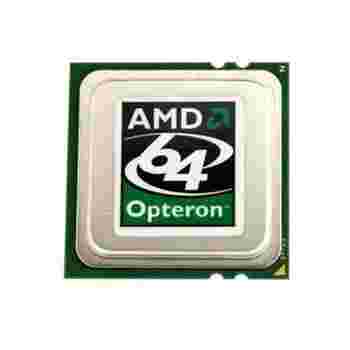
The Dell Opteron 8360 SE is a quad-core server processor that fits well in Dell’s PowerEdge lineup. It offers a solid balance of speed and reliability for business-critical workloads, making it a practical choice for running multiple applications simultaneously in a server environment. |
General Information |
|
|---|---|
| Brand | AMD |
| Part Number | 0PT598 |
Technical Information |
|
|---|---|
| Processor Family | AMD Opteron |
| # Of Cores | 4 Core |
| Total Threads | 4 |
| Base Clock Speed | 2.50 GHz |
Physical Characteristics |
|
|---|---|
| Weight | 3.00 |
| Condition | Refurbished |
Product Description |
|---|
The Dell Opteron 8360 SE is a robust quad-core processor built to handle demanding server workloads. It's often found in enterprise servers where consistent performance and stability are crucial. This processor is commonly used in data centers and business environments that require efficient processing power for multitasking and virtualization. Key Features
This processor is typically deployed in mid-range Dell PowerEdge servers, supporting applications such as databases, virtualization, and web hosting. It plays a key role in delivering consistent performance where server uptime and reliability matter most. |
Use Cases |
|---|
The Dell Opteron 8360 SE processor is primarily utilized in medium to large-scale server environments where reliable multi-threaded processing is essential. Its architecture supports workloads demanding consistent performance, making it ideal for enterprise IT departments and data centers that require stable and efficient server operations. How It's Used:
This processor contributes to operational efficiency by balancing processing power with energy consumption, enabling scalable configurations in existing Dell PowerEdge infrastructures. Its quad-core design supports parallel workloads effectively, promoting sustained performance for evolving IT demands. |
 Shipping Options
 International Delivery
Requires a UPS, FedEx, or DHL account. Customers may arrange pickup from our US warehouse.
International Delivery
Requires a UPS, FedEx, or DHL account. Customers may arrange pickup from our US warehouse.
 Payment Methods
We accept Visa, Mastercard, AMEX, Discover, and Wire Transfer.
Payment Methods
We accept Visa, Mastercard, AMEX, Discover, and Wire Transfer.
 Purchase Orders
We process purchase orders for government agencies, enterprises, data centers, and SMBs.
Purchase Orders
We process purchase orders for government agencies, enterprises, data centers, and SMBs.