

Subscribe To Our Newsletter!
Subscribe to the newsletter to stay up to date with the latest news and most useful
Newsletter
↑
Back to Top



Product Overview |
|---|
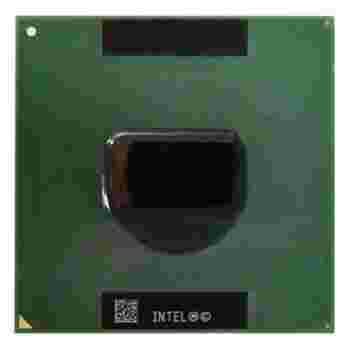
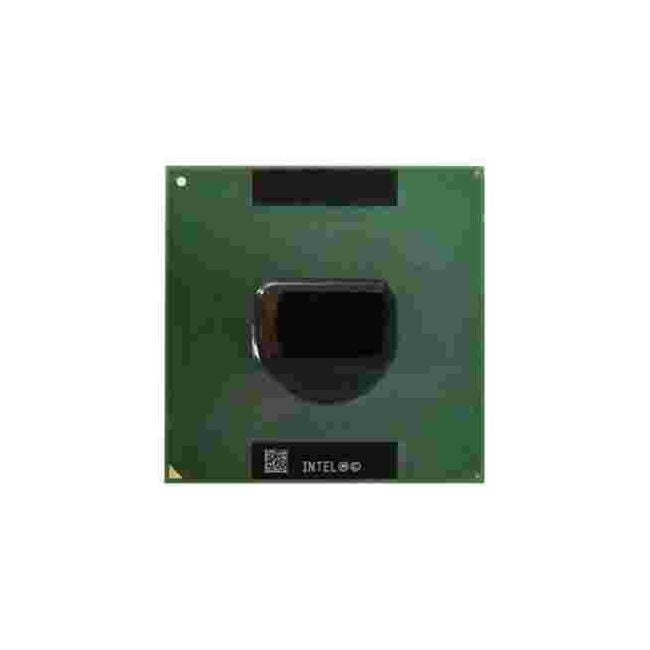
The Dell Pentium 4-M 2.40GHz processor offers a straightforward solution for mobile computing needs, fitting into laptops with PGA478 sockets. It balances processing speed and power efficiency to handle basic applications and everyday workloads without excess energy use. |
General Information |
|
|---|---|
| Brand | Dell |
| Part Number | 0H1114 |
Technical Information |
|
|---|---|
| Processor Family | Intel Pentium |
| Total Threads | 1 |
| Base Clock Speed | 2.40 GHz |
| Lithography | Other |
| Socket Type | PGA 478 |
| Cache | 512 KB |
Physical Characteristics |
|
|---|---|
| Weight | 3.00 |
| Condition | Refurbished |
Product Description |
|---|
This Dell Pentium 4-M processor delivers solid single-core performance with a clock speed of 2.40GHz, suitable for basic computing tasks. Built for mobile computing, it fits into PGA478 sockets typically found in laptop systems and small form-factor devices. It is often found in entry-level business laptops and lightweight notebooks where power efficiency and moderate processing power are necessary. Key Features
Processors like this are commonly deployed in budget-friendly laptops used in offices, schools, and remote working setups. They provide enough power for routine tasks without requiring complex cooling solutions. This makes them a practical choice for users focused on cost-effectiveness and efficiency rather than high-end computing. |
Use Cases |
|---|
The Dell Pentium 4-M 2.40GHz processor is primarily deployed in legacy mobile computing systems where moderate processing performance is required without compromising battery life. It is suitable for organizations maintaining older laptop fleets used in administrative or light fieldwork environments. How It's Used:
This processor’s balance of performance and power efficiency supports operational continuity in scenarios with limited hardware upgrade options. It enables sustained processing for fundamental workloads while minimizing energy consumption in mobile and compact environments. |
 Shipping Options
 International Delivery
Requires a UPS, FedEx, or DHL account. Customers may arrange pickup from our US warehouse.
International Delivery
Requires a UPS, FedEx, or DHL account. Customers may arrange pickup from our US warehouse.
 Payment Methods
We accept Visa, Mastercard, AMEX, Discover, and Wire Transfer.
Payment Methods
We accept Visa, Mastercard, AMEX, Discover, and Wire Transfer.
 Purchase Orders
We process purchase orders for government agencies, enterprises, data centers, and SMBs.
Purchase Orders
We process purchase orders for government agencies, enterprises, data centers, and SMBs.