

Subscribe To Our Newsletter!
Subscribe to the newsletter to stay up to date with the latest news and most useful
Newsletter
↑
Back to Top



Product Overview |
|---|
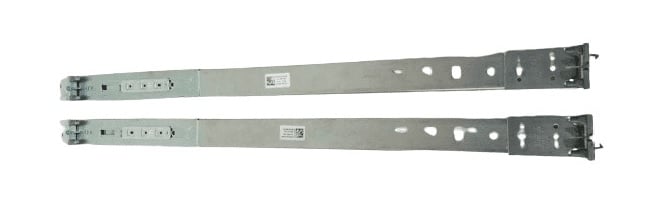
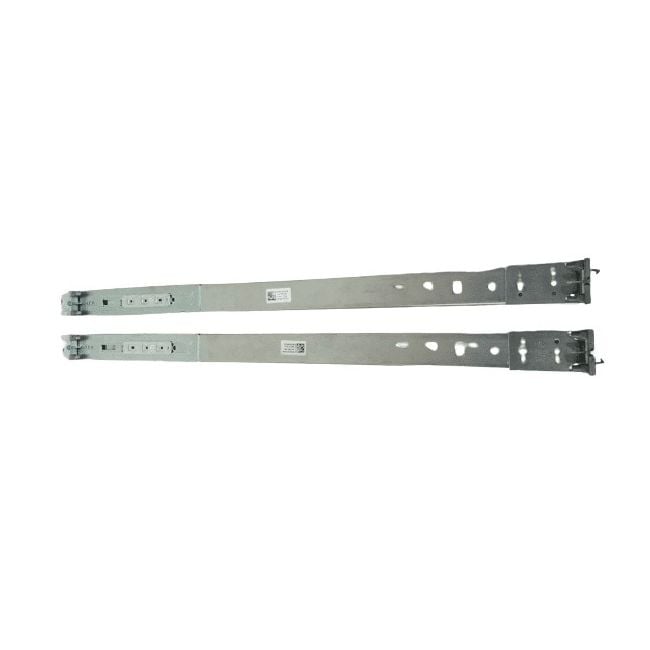
The Dell 1U Versa 4-Post Sliding Rail is designed to simplify server installation in PowerEdge DCS racks, allowing IT teams to manage hardware quickly while maintaining rack stability. It fits neatly into 4-post rack setups and supports heavy equipment securely, making it a practical choice in busy data centers. |
General Information |
|
|---|---|
| Brand | Dell |
| Part Number | 0GW653 |
Technical Information |
|
|---|---|
| Rail Type | Sliding Rail Kit |
| Compatibility | Dell PowerEdge DCS Rack |
| Product Category | Sliding Rail Kit, Rack Rails |
Miscellaneous |
|
|---|---|
| Assembly Required | Yes |
| Eco Friendly | Yes |
| Compliance Standards | WEEE, RoHS |
Physical Characteristics |
|
|---|---|
| Form Factor | 1U |
| Weight | 3.00 |
| Condition | Refurbished |
Product Description |
|---|
This 1U Versa 4-post sliding rail is built for Dell PowerEdge DCS racks, providing smooth server installation and removal. It’s often found in data centers where flexibility and reliability matter during maintenance and upgrades. IT professionals rely on these rails to streamline hardware management without compromising rack stability. Key Features
These rails are typically deployed in enterprise server rooms and cloud infrastructure hubs. They help reduce downtime by making server swapping and servicing faster and safer, enhancing overall data center efficiency. |
Use Cases |
|---|
The Dell 1U Versa 4-Post Sliding Rail is primarily utilized in data centers and enterprise IT environments that deploy Dell PowerEdge DCS racks. It serves IT administrators and systems engineers who require reliable and efficient rack mounting solutions for high-density server configurations, ensuring seamless hardware management and maintenance. How It's Used:
By enabling tool-less, secure mounting of servers in 4-post racks, this sliding rail system enhances operational efficiency and scalability. It allows organizations to maintain optimal rack density and accessibility without compromising stability, supporting evolving IT infrastructure requirements effectively. |
 Shipping Options
 International Delivery
Requires a UPS, FedEx, or DHL account. Customers may arrange pickup from our US warehouse.
International Delivery
Requires a UPS, FedEx, or DHL account. Customers may arrange pickup from our US warehouse.
 Payment Methods
We accept Visa, Mastercard, AMEX, Discover, and Wire Transfer.
Payment Methods
We accept Visa, Mastercard, AMEX, Discover, and Wire Transfer.
 Purchase Orders
We process purchase orders for government agencies, enterprises, data centers, and SMBs.
Purchase Orders
We process purchase orders for government agencies, enterprises, data centers, and SMBs.