

Subscribe To Our Newsletter!
Subscribe to the newsletter to stay up to date with the latest news and most useful
Newsletter
↑
Back to Top



Product Overview |
|---|
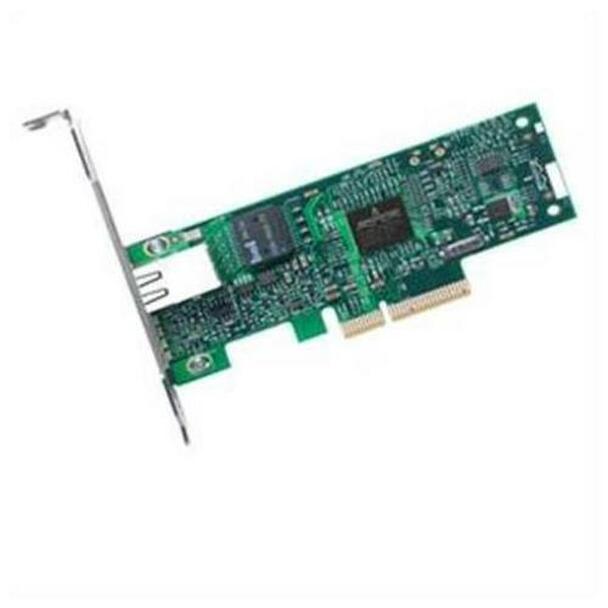
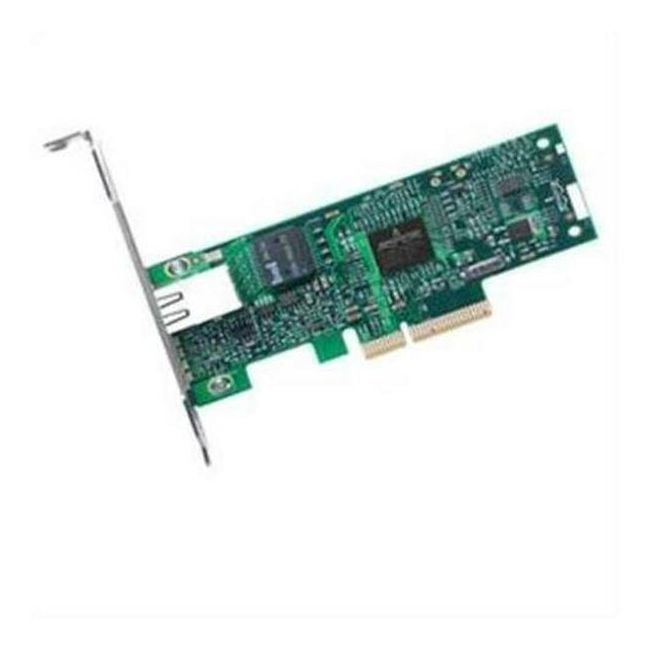
The Dell Mezzanine Card QMD8262 is a dual-port 10GbE network adapter designed specifically for PowerEdge M820 servers. It fits directly onto the server's mezzanine slot, providing high-speed network connectivity without extra cabling or space usage. This card suits environments where maintaining fast, reliable network access is essential for server operations. |
General Information |
|
|---|---|
| Brand | Dell |
| Part Number | 0FM9J6 |
Connectivity & Physical |
|
|---|---|
| Weight | 3.00 |
| Condition | Refurbished |
Miscellaneous |
|
|---|---|
| Assembly Required | Yes |
| Eco Friendly | Yes |
| Compliance Standards | WEEE, RoHS, cURus, CE, FCC, CCC, UL, TUV, cULus, CSA, cUL |
Product Description |
|---|
This mezzanine card provides dual 10GbE ports tailored for Dell PowerEdge M820 servers, enabling faster and reliable networking. It's often found in data centers where high bandwidth and low latency are crucial for handling demanding workloads. Built for IT professionals managing virtualization, cloud applications, or storage tasks, this card enhances server networking capabilities without requiring additional PCI slots. Key Features
This card is typically deployed in enterprise data centers and virtualized environments, providing the necessary network speed for resource-intensive applications. Its integration helps maintain optimal server performance while managing network traffic effectively. |
Use Cases |
|---|
The Dell Mezzanine Card QMD8262 is primarily used in data center environments where high-density server configurations demand efficient and compact networking solutions. It is ideal for IT professionals managing Dell PowerEdge M820 servers who require robust 10GbE connectivity to support virtualization and heavy network traffic workloads. How It's Used:
By directly interfacing with the mezzanine slot of PowerEdge M820 servers, this card enables scalable network performance improvements without additional hardware footprint. It supports operational efficiency in environments where maximizing bandwidth and minimizing latency are essential for maintaining application responsiveness and infrastructure agility. |
 Shipping Options
 International Delivery
Requires a UPS, FedEx, or DHL account. Customers may arrange pickup from our US warehouse.
International Delivery
Requires a UPS, FedEx, or DHL account. Customers may arrange pickup from our US warehouse.
 Payment Methods
We accept Visa, Mastercard, AMEX, Discover, and Wire Transfer.
Payment Methods
We accept Visa, Mastercard, AMEX, Discover, and Wire Transfer.
 Purchase Orders
We process purchase orders for government agencies, enterprises, data centers, and SMBs.
Purchase Orders
We process purchase orders for government agencies, enterprises, data centers, and SMBs.