Subscribe To Our Newsletter!
Subscribe to the newsletter to stay up to date with the latest news and most useful
Newsletter
↑
Back to Top



Product Overview |
|---|
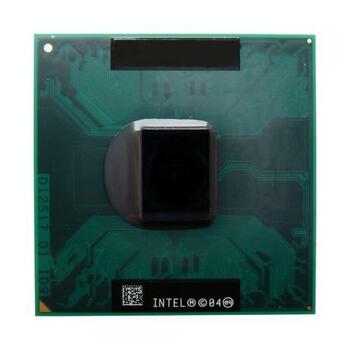
The Dell Pentium 4 1.30GHz processor provides a straightforward computing experience for older desktop systems. It fits into PGA423 sockets and delivers reliable performance for day-to-day tasks without requiring complex setups or advanced cooling solutions. |
General Information |
|
|---|---|
| Brand | Dell |
| Part Number | 0D790 |
Technical Information |
|
|---|---|
| Processor Family | Intel Pentium |
| Total Threads | 1 |
| Base Clock Speed | 1.30 GHz |
| Lithography | Other |
| Socket Type | Socket 423 |
| Cache | 256 KB |
Physical Characteristics |
|
|---|---|
| Weight | 3.00 |
| Condition | Refurbished |
Product Description |
|---|
This Intel Pentium 4 1.30GHz processor is built for entry-level desktop applications where straightforward processing power is needed. It is often found in older or legacy computer systems that require a stable and compatible CPU solution. Designed with a single core and 256KB of L2 cache, it handles basic tasks like web browsing, document editing, and simple multimedia playback efficiently. Key Features
This processor is typically deployed in desktops that need reliable processing without the demands of modern multitasking or heavy applications. It plays a role in extending the life of PCs used in environments like offices, schools, or homes where basic computing is sufficient without the need for advanced hardware. |
Use Cases |
|---|
The Dell Pentium 4 1.30GHz processor is primarily suited for legacy desktop systems requiring stable and cost-effective performance. It supports environments where basic computing tasks like web browsing, document processing, and simple application hosting are needed without the overhead of modern multi-core architectures. How It's Used:
By focusing on straightforward and consistent performance, this processor facilitates operational continuity in environments where upgrading to newer hardware is not feasible. It ensures that basic computing demands are met without compromising system stability. |
 Shipping Options
 International Delivery
Requires a UPS, FedEx, or DHL account. Customers may arrange pickup from our US warehouse.
International Delivery
Requires a UPS, FedEx, or DHL account. Customers may arrange pickup from our US warehouse.
 Payment Methods
We accept Visa, Mastercard, AMEX, Discover, and Wire Transfer.
Payment Methods
We accept Visa, Mastercard, AMEX, Discover, and Wire Transfer.
 Purchase Orders
We process purchase orders for government agencies, enterprises, data centers, and SMBs.
Purchase Orders
We process purchase orders for government agencies, enterprises, data centers, and SMBs.