

Subscribe To Our Newsletter!
Subscribe to the newsletter to stay up to date with the latest news and most useful
Newsletter
↑
Back to Top



Product Overview |
|---|
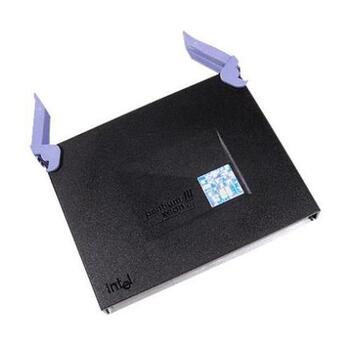
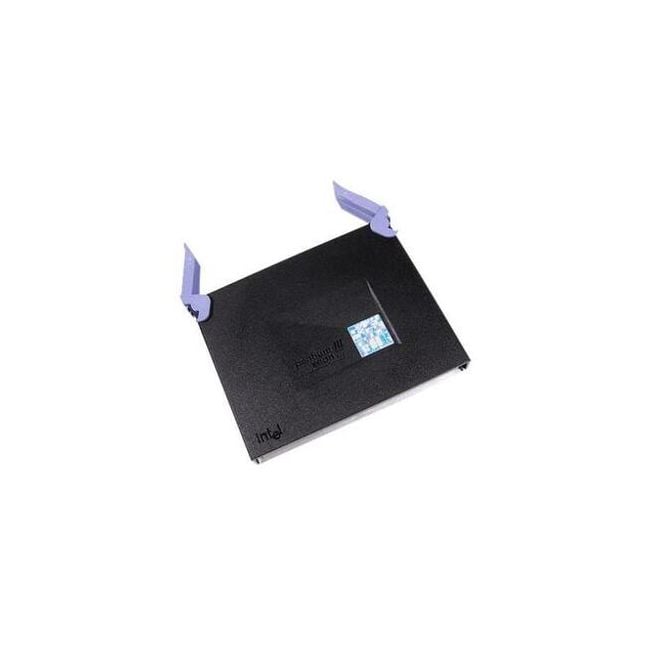
The Dell Pentium III Xeon 500MHz processor fits into Slot 2 server boards and is designed for reliable operation in legacy systems. It handles basic server workloads and supports older applications, making it a solid choice for maintaining existing Dell server setups without major upgrades. |
General Information |
|
|---|---|
| Brand | Dell |
| Part Number | 0356P |
Technical Information |
|
|---|---|
| Processor Family | Other |
| Total Threads | 1 |
| Base Clock Speed | 500 MHz |
| Lithography | Other |
| Cache | 1 MB L2 |
Physical Characteristics |
|
|---|---|
| Weight | 3.00 |
| Condition | Refurbished |
Product Description |
|---|
This Dell Pentium III Xeon processor offers a single 500MHz core, providing reliable performance for older server setups and legacy systems. It's commonly used in server environments where stability and compatibility with Slot 2 motherboards are essential. Built for IT professionals managing legacy Dell servers, this processor supports applications that don't require the latest hardware but need dependable processing power. Key Features
You'll typically find this processor in mid-2000s Dell servers used in small to medium business environments, especially where newer hardware isn't necessary or cost-effective. It plays a role in maintaining older infrastructure while providing consistent processing power. |
Use Cases |
|---|
The Dell Pentium III Xeon 1 Core 500MHz processor is primarily utilized in legacy server environments where maintaining existing hardware infrastructure is critical. It serves organizations running stable, low-demand server applications that require compatibility with older Dell Slot 2 motherboards, such as archival systems or basic network services. How It's Used:
This processor enables continued operational reliability for legacy systems by delivering stable performance tailored to modest workloads. Its compatibility with older server architectures supports gradual IT transitions without disrupting ongoing operations or requiring immediate hardware overhaul. |
 Shipping Options
 International Delivery
Requires a UPS, FedEx, or DHL account. Customers may arrange pickup from our US warehouse.
 Payment Methods
We accept Visa, Mastercard, AMEX, Discover, and Wire Transfer.
 Purchase Orders
We process purchase orders for government agencies, enterprises, data centers, and SMBs.