

Subscribe To Our Newsletter!
Subscribe to the newsletter to stay up to date with the latest news and most useful
Newsletter
↑
Back to Top



Product Overview |
|---|
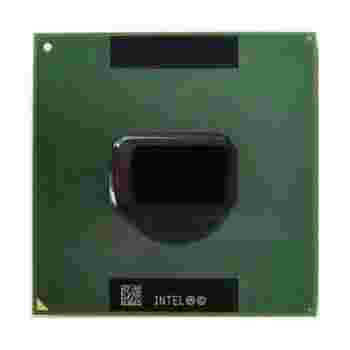
The Dell Pentium M 1.60GHz processor delivers reliable single-core performance aimed at mobile computing devices from its era. It fits into systems using the PGA478 socket and is designed for tasks that require moderate processing power without excessive energy consumption, making it a practical choice for older laptops still in use today. |
General Information |
|
|---|---|
| Brand | Intel |
| Part Number | 00X372 |
Technical Information |
|
|---|---|
| Processor Family | Intel Pentium |
| Total Threads | 1 |
| Base Clock Speed | 1.60 GHz |
| Lithography | Other |
| Socket Type | PGA 478 |
| Cache | 1 MB |
Physical Characteristics |
|
|---|---|
| Weight | 3.00 |
| Condition | Refurbished |
Product Description |
|---|
This Dell Pentium M processor operates at 1.60GHz with a single core, making it suitable for everyday computing tasks. It's often found in older Dell laptops and mobile workstations where moderate performance and energy efficiency are needed. Built for users who require reliable processing power for standard applications like office productivity, web browsing, and media playback, it balances performance with power consumption. Its design supports lightweight and portable systems. Key Features
This processor is typically deployed in laptops aimed at business users or students who don't need heavy multitasking or gaming capabilities. It provides a solid foundation for basic computing needs, especially in environments where battery life and system stability are important. |
Use Cases |
|---|
The Dell Pentium M 1.60GHz processor is commonly deployed in legacy mobile computing systems where energy efficiency and moderate processing capabilities are essential. It serves environments that require reliable performance for everyday applications without the need for modern multi-core processing power. How It's Used:
This processor contributes to operational efficiency by balancing power consumption with adequate computing capabilities in specialized contexts. Its compatibility with existing hardware supports cost-effective scalability in environments where upgrading to newer platforms is not immediately feasible. |
 Shipping Options
 International Delivery
Requires a UPS, FedEx, or DHL account. Customers may arrange pickup from our US warehouse.
International Delivery
Requires a UPS, FedEx, or DHL account. Customers may arrange pickup from our US warehouse.
 Payment Methods
We accept Visa, Mastercard, AMEX, Discover, and Wire Transfer.
Payment Methods
We accept Visa, Mastercard, AMEX, Discover, and Wire Transfer.
 Purchase Orders
We process purchase orders for government agencies, enterprises, data centers, and SMBs.
Purchase Orders
We process purchase orders for government agencies, enterprises, data centers, and SMBs.