

Subscribe To Our Newsletter!
Subscribe to the newsletter to stay up to date with the latest news and most useful
Newsletter
↑
Back to Top



Product Overview |
|---|
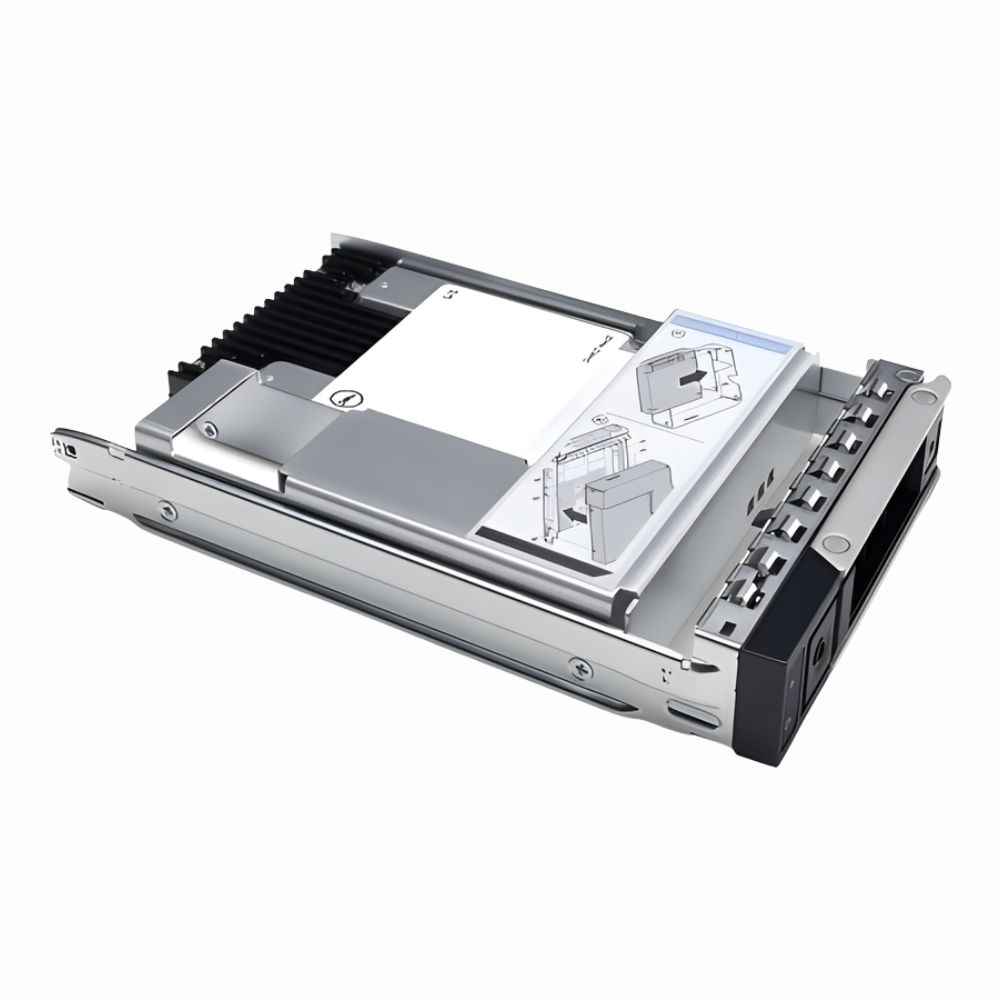
The Dell 1.92TB SAS 12Gb/s Read Intensive 2.5-Inch Solid State Drive fits into servers and storage arrays that demand reliable, fast access to data. It handles large read workloads efficiently, making it a practical choice for enterprise settings focused on data retrieval and analytics. |
General Information |
|
|---|---|
| Brand | Dell |
| Part Number | DD7Y3 |
Technical Information |
|
|---|---|
| Capacity | 1.92TB |
| Form Factor | 2.5-inch |
| Interface | SAS 12Gb/s |
| Hot Swappable | Yes |
| Hot Pluggable | Yes |
Physical Characteristics |
|
|---|---|
| Weight | 1.10 |
| Condition | Refurbished |
Miscellaneous |
|
|---|---|
| Compliance Standards | WEEE, RoHS, CE, FCC |
Product Description |
|---|
This Dell 1.92TB SAS 12Gb/s Solid State Drive is built for environments that demand fast and reliable access to large volumes of data. It is often found in data centers and enterprise servers where read-intensive applications require consistent performance. Designed primarily for IT professionals managing storage in business-critical systems, this SSD provides a balance of capacity and speed, ensuring quick retrieval of information without sacrificing reliability. Key Features
This drive is typically deployed in enterprise servers, where high-speed data access is essential. It plays a crucial role in reducing bottlenecks during read operations, helping maintain smooth performance for critical business applications. |
Use Cases |
|---|
The Dell 1.92TB SAS 12Gb/s Read Intensive 2.5-Inch SSD is designed for enterprise IT environments that require fast, reliable data access for read-heavy workloads. It is particularly suited for data centers and storage clusters where rapid retrieval of large datasets is critical for performance optimization. How It's Used:
This SSD contributes to operational efficiency by minimizing data access latency and enabling scalability in storage infrastructures. Its read-optimized design aligns with workloads demanding consistent, high-throughput data retrieval, helping IT teams maintain service levels in demanding enterprise scenarios. |
 Shipping Options
 International Delivery
Requires a UPS, FedEx, or DHL account. Customers may arrange pickup from our US warehouse.
International Delivery
Requires a UPS, FedEx, or DHL account. Customers may arrange pickup from our US warehouse.
 Payment Methods
We accept Visa, Mastercard, AMEX, Discover, and Wire Transfer.
Payment Methods
We accept Visa, Mastercard, AMEX, Discover, and Wire Transfer.
 Purchase Orders
We process purchase orders for government agencies, enterprises, data centers, and SMBs.
Purchase Orders
We process purchase orders for government agencies, enterprises, data centers, and SMBs.