

Subscribe To Our Newsletter!
Subscribe to the newsletter to stay up to date with the latest news and most useful
Newsletter
↑
Back to Top



Product Overview |
|---|
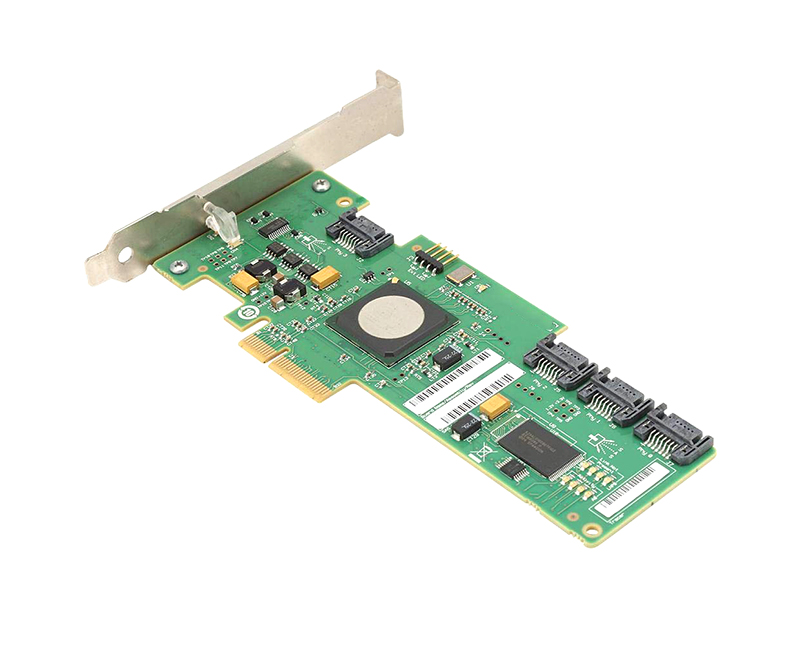
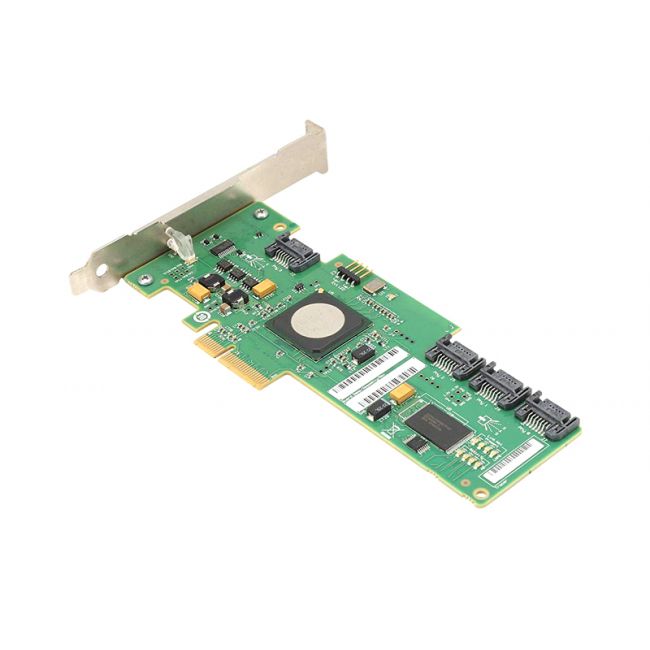
The QLogic PCI Controller provides stable and efficient PCI bus management, fitting well in server and storage hardware setups. It bridges communication between devices without unnecessary complexity, making it a practical choice for IT environments that require steady data handling and hardware compatibility. |
General Information |
|
|---|---|
| Brand | QLogic |
| Part Number | DC4110802-02-00 |
Technical Specification |
|
|---|---|
| RAID Levels | JBOD |
| Expansion Slots | 1x PCIe Slot |
| Cache Protection | Not Included |
| Redundancy Support | Standalone (Single) |
Physical Characteristics |
|
|---|---|
| Weight | 5.00 |
| Condition | Refurbished |
Product Description |
|---|
The QLogic PCI Controller is built to manage and optimize data flow between system components through a reliable PCI interface. It is often found in enterprise servers and storage arrays where consistent, high-throughput communications are essential. IT professionals and system integrators commonly use this controller to ensure stable connectivity and performance for critical hardware. Key Features
This controller is typically deployed in servers, storage devices, and networking equipment where reliable PCI communication is needed. It helps maintain smooth operations by effectively managing data traffic, making it a key component in data center and enterprise settings. |
Use Cases |
|---|
The QLogic PCI Controller is utilized primarily in enterprise data centers and storage cluster environments where consistent, high-speed data transfer is critical. IT professionals managing virtualization hosts and server farms rely on its stable PCI bus management to maintain seamless hardware communication under demanding workloads. How It's Used:
By enabling efficient PCI bus control across diverse platforms, the QLogic PCI Controller helps maintain operational stability and scalability in complex IT infrastructures. Its compatibility and performance contribute to minimizing hardware bottlenecks, supporting ongoing data center expansion and evolving workload demands. |
 Shipping Options
 International Delivery
Requires a UPS, FedEx, or DHL account. Customers may arrange pickup from our US warehouse.
International Delivery
Requires a UPS, FedEx, or DHL account. Customers may arrange pickup from our US warehouse.
 Payment Methods
We accept Visa, Mastercard, AMEX, Discover, and Wire Transfer.
Payment Methods
We accept Visa, Mastercard, AMEX, Discover, and Wire Transfer.
 Purchase Orders
We process purchase orders for government agencies, enterprises, data centers, and SMBs.
Purchase Orders
We process purchase orders for government agencies, enterprises, data centers, and SMBs.