

Subscribe To Our Newsletter!
Subscribe to the newsletter to stay up to date with the latest news and most useful
Newsletter
↑
Back to Top



Product Overview |
|---|
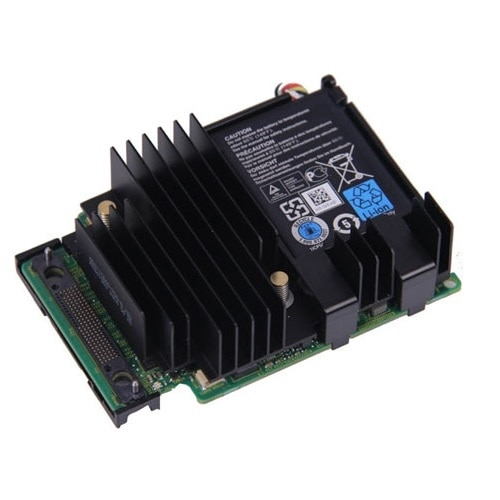
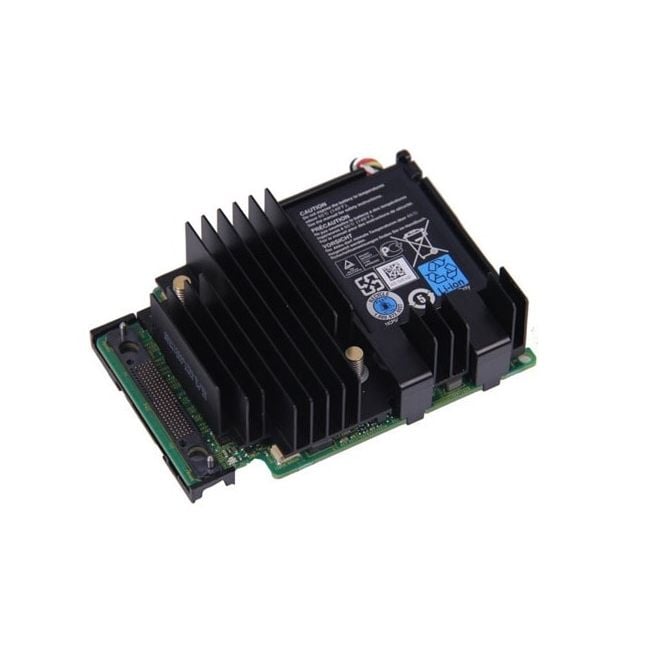
The Dell D90H2 PERC H730P INT RAID Controller is designed to manage and protect enterprise-level storage arrays. It fits into Dell PowerEdge server platforms, providing hardware RAID capabilities with a robust 2GB cache to improve data flow and system responsiveness. This controller balances reliability and speed, making it a practical choice for servers running demanding applications. |
General Information |
|
|---|---|
| Brand | Dell |
| Part Number | D90H2 |
Technical Specification |
|
|---|---|
| Chipset | LSI SAS 3108 (Broadcom/LSI MegaRAID) |
| Host Interface | PCI Express 3.0 x8 |
| Data Rate | 12Gb/s |
| RAID Levels | 0,1,5,6,10,50,60 |
| Cache | 2 GB (Non-volatile / flash-backed) |
| Ports | 8 |
| Connectivity | SAS, SATA |
| Compatibility | Compatible with Dell PowerEdge servers (e.g., R720, R720xd, R730, R730xd, R620, R630, T630) |
Physical Characteristics |
|
|---|---|
| Form Factor | PCIe Low Profile (Half-height) |
| Weight | 5.00 |
| Condition | Refurbished |
Miscellaneous |
|
|---|---|
| Eco Friendly | Yes |
| Compliance Standards | WEEE, RoHS, CE, FCC, UL, TUV, cULus |
Product Description |
|---|
The Dell D90H2 PERC H730P INT RAID Controller is built for managing multiple storage drives with high efficiency. It handles complex RAID configurations and accelerates data access with its substantial onboard cache. This controller is commonly found in data centers and enterprise environments where dependable and scalable storage solutions are essential. Often integrated into Dell PowerEdge servers, the controller benefits IT professionals who require robust data redundancy, improved performance, and simplified storage administration. Its design caters to workloads that demand both speed and security. Key Features
This RAID controller is typically deployed in enterprise servers handling mission-critical applications and large databases. It plays a key role in maintaining system uptime and data integrity by managing drive failures and enhancing read/write speeds. By using this controller, organizations can optimize their storage infrastructure without sacrificing reliability or performance. |
Use Cases |
|---|
The Dell D90H2 PERC H730P INT RAID Controller is typically deployed in enterprise and data center environments where high-performance and reliable storage management is critical. It serves IT administrators and system engineers who manage Dell PowerEdge servers running virtualization, database, or high-transaction workloads requiring resilient RAID configurations. How It's Used:
This controller enhances operational efficiency by delivering scalable RAID management with robust caching, helping maintain performance under heavy I/O loads. It provides the flexibility to configure diverse RAID levels suited to specific workload requirements, improving data protection and system responsiveness in complex server deployments. |
 Shipping Options
 International Delivery
Requires a UPS, FedEx, or DHL account. Customers may arrange pickup from our US warehouse.
International Delivery
Requires a UPS, FedEx, or DHL account. Customers may arrange pickup from our US warehouse.
 Payment Methods
We accept Visa, Mastercard, AMEX, Discover, and Wire Transfer.
Payment Methods
We accept Visa, Mastercard, AMEX, Discover, and Wire Transfer.
 Purchase Orders
We process purchase orders for government agencies, enterprises, data centers, and SMBs.
Purchase Orders
We process purchase orders for government agencies, enterprises, data centers, and SMBs.