

Subscribe To Our Newsletter!
Subscribe to the newsletter to stay up to date with the latest news and most useful
Newsletter
↑
Back to Top



Product Overview |
|---|
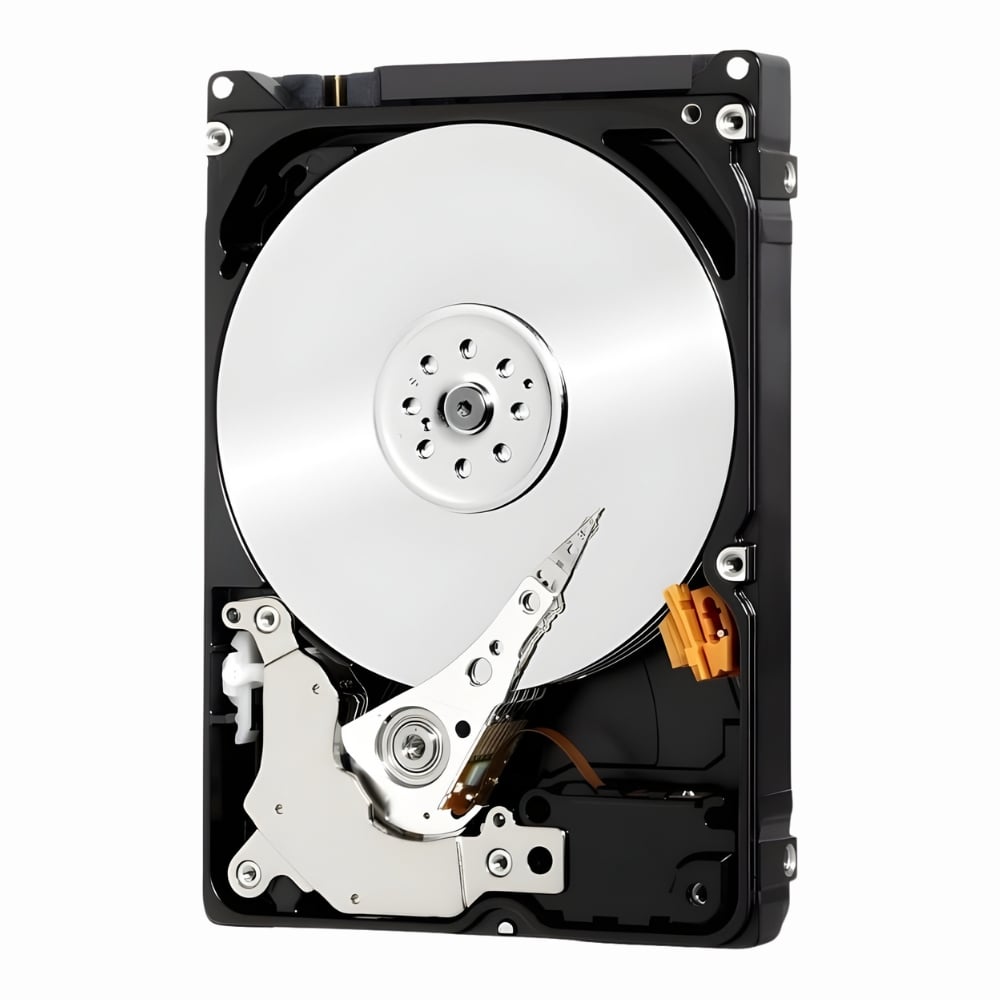
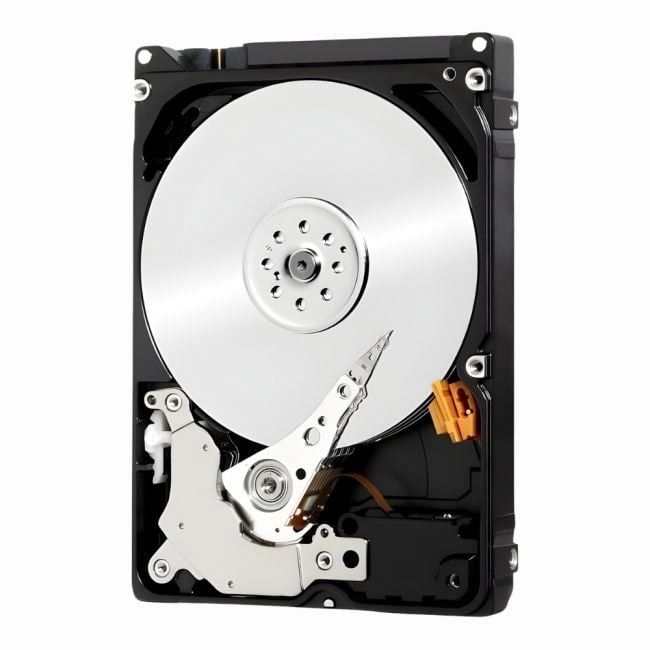
The D6106A HP 9.1GB SCSI hard drive offers moderate storage and a 7200 RPM speed, fitting neatly into systems that rely on SCSI interfaces. It's often found in legacy desktop and server setups where consistent performance and compatibility matter most. |
General Information |
|
|---|---|
| Brand | HP |
| Part Number | D6106A |
Technical Information |
|
|---|---|
| Capacity | 9.1GB |
| Form Factor | 3.5-inch |
| Spindle Speed | 7200 RPM |
| Hybrid Drive | No |
Interfaces/Ports |
|
|---|---|
| Interface | SCSI |
Physical Characteristics |
|
|---|---|
| Condition | Refurbished |
| Weight | 1.76 |
Product Description |
|---|
The D6106A HP 9.1GB hard drive provides dependable storage with decent speed for systems requiring moderate capacity and performance. It is commonly used in older desktops, servers, or workstation environments that utilize SCSI connections for stable data transfer. Built for IT professionals and system administrators maintaining legacy hardware, this drive fits well where compatibility and reliability take priority over higher capacities. Key Features
This hard drive typically appears in environments with specific hardware requirements, such as older servers or workstations that need dependable storage without modern SSD technology. It plays a role in setups where legacy support and stable performance remain essential. |
Use Cases |
|---|
The D6106A HP 9.1GB SCSI hard drive is primarily deployed in legacy server and workstation environments where reliable, moderate-capacity storage is necessary. It suits IT infrastructures that maintain SCSI-based equipment, often in data centers or enterprise IT setups requiring sustained performance and compatibility with existing hardware. How It's Used:
This hard drive supports operational efficiency in legacy systems by providing consistent data throughput and compatibility, enabling IT teams to extend the lifecycle of existing infrastructure without compromising stability or control. Its integration into established environments helps maintain performance and supports scalability where newer storage solutions are not feasible. |
 Shipping Options
 International Delivery
Requires a UPS, FedEx, or DHL account. Customers may arrange pickup from our US warehouse.
 Payment Methods
We accept Visa, Mastercard, AMEX, Discover, and Wire Transfer.
 Purchase Orders
We process purchase orders for government agencies, enterprises, data centers, and SMBs.