

Subscribe To Our Newsletter!
Subscribe to the newsletter to stay up to date with the latest news and most useful
Newsletter
↑
Back to Top



Product Overview |
|---|
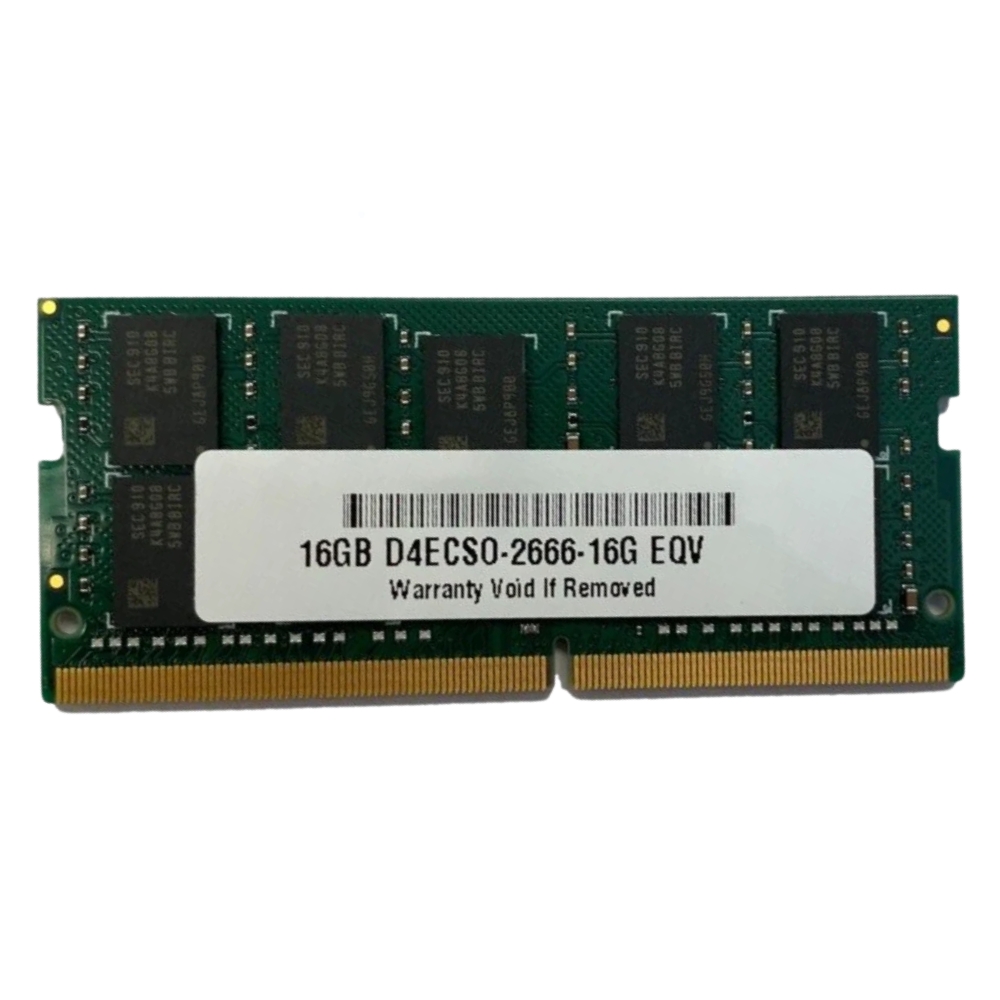
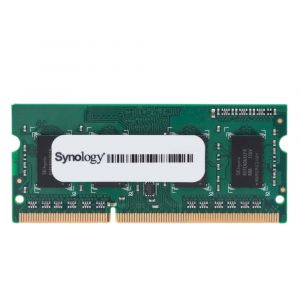
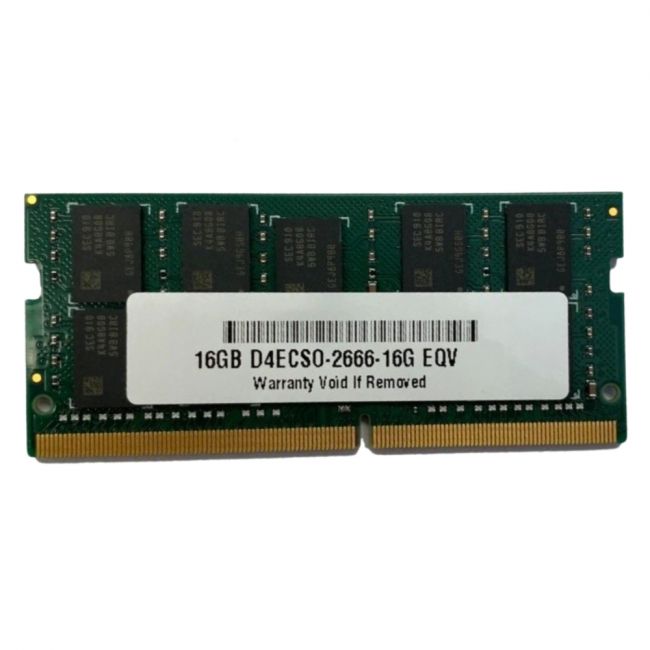
The Synology 16GB DDR4-2666/PC4-21300 Memory module expands system memory with a 16GB capacity and runs at 2666 MHz. It is designed for compatibility with Synology hardware, ensuring proper operation within supported systems. This module uses standard DDR4 technology and fits into unbuffered DIMM slots. |
General Information |
|
|---|---|
| Brand | Synology |
Technical Information |
|
|---|---|
| Memory Capacity | 16GB |
| Memory Technology | DDR4 |
| Module Type | SO-DIMM |
| RAM Standard | PC4-21300 |
| Pin Count | 260-Pin |
| Error Correction | ECC |
| Voltage | 1.2V |
Performance |
|
|---|---|
| Bus Speed | 2666 MT/s |
| Bandwidth | 21300 |
| Native Speed | 2666 |
| CAS | 19 |
Physical Characteristics |
|
|---|---|
| Weight | 3.00 |
| Condition | Refurbished |
Miscellaneous |
|
|---|---|
| Compliance Standards | RoHS, CE, FCC |
| Assembly Required | No |
Product Description |
|---|
The Synology D4ECSO-2666-16G is a 16GB DDR4 memory module operating at 2666 MHz. It is designed specifically for use in Synology hardware platforms, providing additional memory capacity to meet demanding applications and multi-tasking needs. This memory module is suitable for IT professionals and users who require expanded memory within compatible Synology systems. Key Features
Adding this memory module can help improve the overall capacity of a Synology system, allowing for more applications and processes to run concurrently. It fits into standard DDR4 slots and is intended for use in environments requiring stable memory expansion. |
Use Cases |
|---|
This memory module is typically used in Synology NAS devices to increase memory capacity, supporting environments that handle multiple concurrent data tasks or applications. It suits users needing to enhance system responsiveness and multitasking within compatible Synology models. How It's Used:
The Synology memory module plays a key role in ensuring that systems have adequate memory resources for running multiple services or applications simultaneously. It helps maintain system stability and efficiency in memory-dependent workloads. |
FAQ's |
|---|
|
 Shipping Options
 International Delivery
Requires a UPS, FedEx, or DHL account. Customers may arrange pickup from our US warehouse.
International Delivery
Requires a UPS, FedEx, or DHL account. Customers may arrange pickup from our US warehouse.
 Payment Methods
We accept Visa, Mastercard, AMEX, Discover, and Wire Transfer.
Payment Methods
We accept Visa, Mastercard, AMEX, Discover, and Wire Transfer.
 Purchase Orders
We process purchase orders for government agencies, enterprises, data centers, and SMBs.
Purchase Orders
We process purchase orders for government agencies, enterprises, data centers, and SMBs.