

Subscribe To Our Newsletter!
Subscribe to the newsletter to stay up to date with the latest news and most useful
Newsletter
↑
Back to Top



Product Overview |
|---|
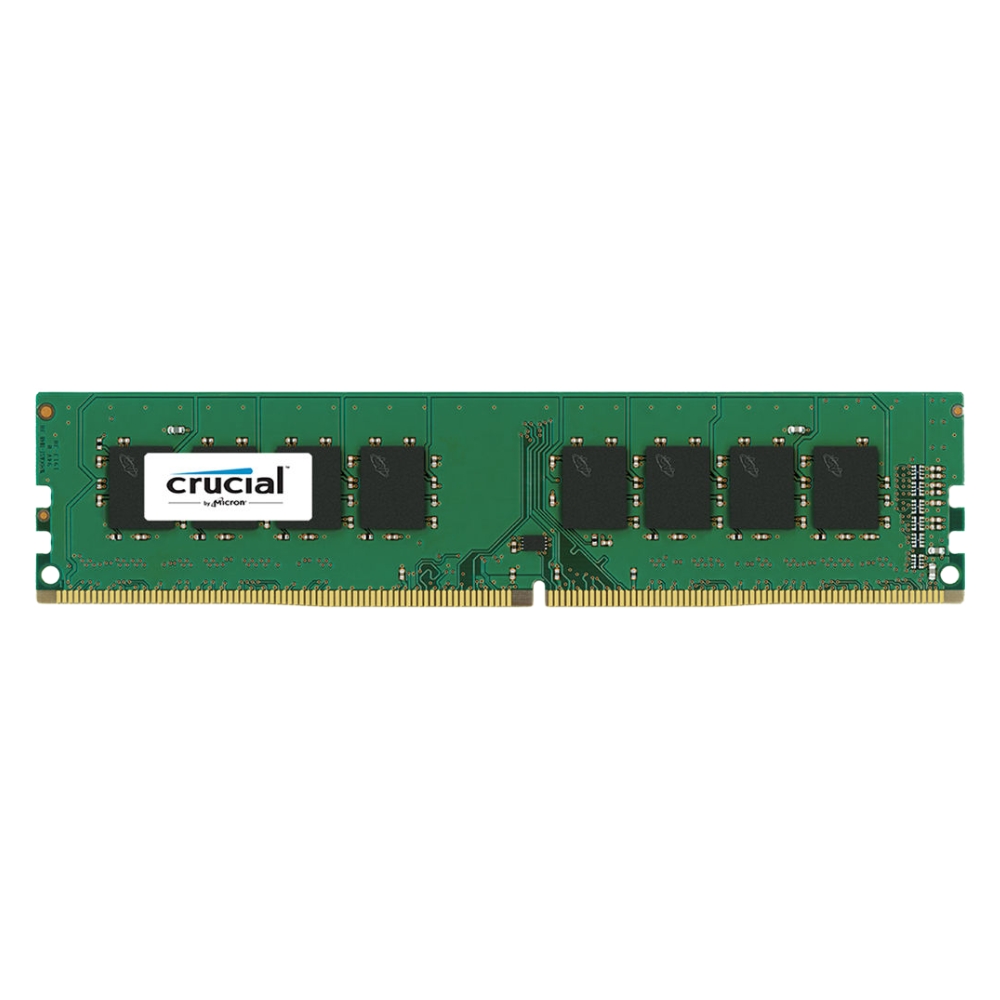
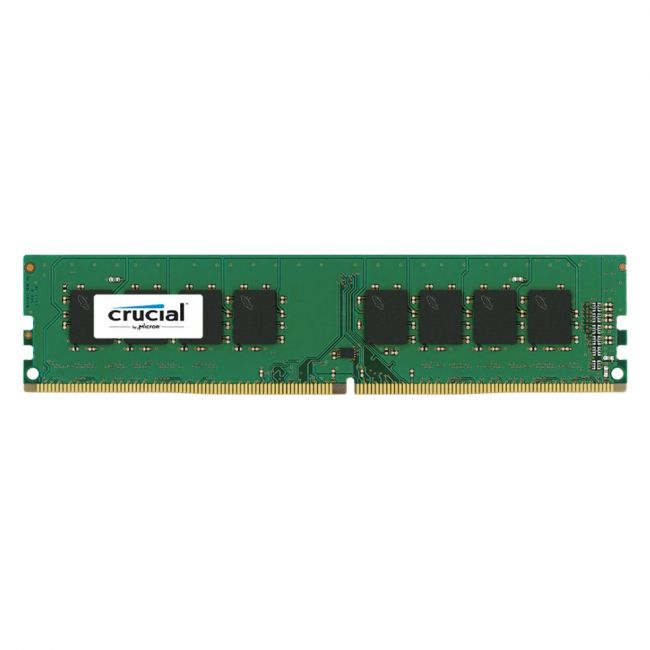
The Crucial 8GB DDR4-2133 Non-ECC UDIMM Memory is a desktop memory module providing 8GB of DDR4 RAM at a 2133 MT/s data rate. It operates as a non-ECC, unbuffered DIMM suitable for general-purpose desktop systems needing standard memory upgrades. |
General Information |
|
|---|---|
| Brand | Crucial |
Technical Information |
|
|---|---|
| Memory Capacity | 8GB |
| Memory Technology | DDR4 |
| Module Type | UDIMM |
| RAM Standard | PC4-17000 |
| Pin Count | 288-Pin |
| Error Correction | Non-ECC |
| Rank | Single Rank |
| Voltage | 1.2V |
Performance |
|
|---|---|
| Bus Speed | 2133 MT/s |
| Bandwidth | 17064 MB/s |
| Native Speed | 2133 MT/s |
| CAS | 16 |
Physical Characteristics |
|
|---|---|
| Weight | 3.00 |
| Condition | Refurbished |
Miscellaneous |
|
|---|---|
| Eco Friendly | Yes |
| Compliance Standards | RoHS, CE, FCC |
| Assembly Required | No |
Product Description |
|---|
The Crucial CT8G4DFD8213.C16FAD11 is an 8GB DDR4 desktop memory module designed to provide enhanced system memory performance. It fits in standard desktop motherboards supporting DDR4 memory technology. This non-ECC unbuffered DIMM is typically used to upgrade or expand memory capacity in desktop PCs. IT professionals and system builders use this module when increasing system memory to support multitasking and general computing workloads. It operates at a data rate of 2133 MT/s, which aligns with DDR4 memory standards for desktop systems. Key Features
This memory module plays a fundamental role in desktop system performance by providing sufficient RAM capacity for typical office, multimedia, and light computing tasks. It is suited for users seeking to enhance their system memory without specialized error correction features. |
Use Cases |
|---|
This Crucial 8GB DDR4-2133 Non-ECC UDIMM Memory is typically used in desktop computing environments requiring a memory upgrade or replacement. It benefits users running general office applications, multimedia tasks, and everyday computing workloads. How It's Used:
Overall, this memory module enables desktop systems to handle routine tasks with adequate memory resources, supporting smooth operation in non-specialized computing scenarios. |
FAQ's |
|---|
|
 Shipping Options
 International Delivery
Requires a UPS, FedEx, or DHL account. Customers may arrange pickup from our US warehouse.
 Payment Methods
We accept Visa, Mastercard, AMEX, Discover, and Wire Transfer.
 Purchase Orders
We process purchase orders for government agencies, enterprises, data centers, and SMBs.