

Subscribe To Our Newsletter!
Subscribe to the newsletter to stay up to date with the latest news and most useful
Newsletter
↑
Back to Top



Product Overview |
|---|
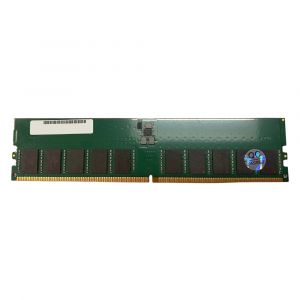
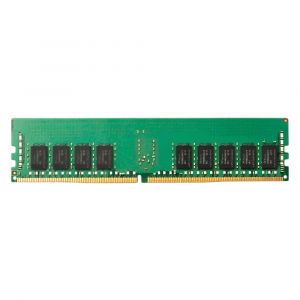
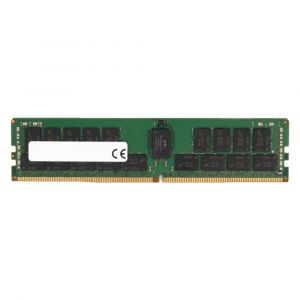
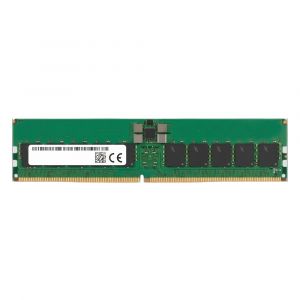
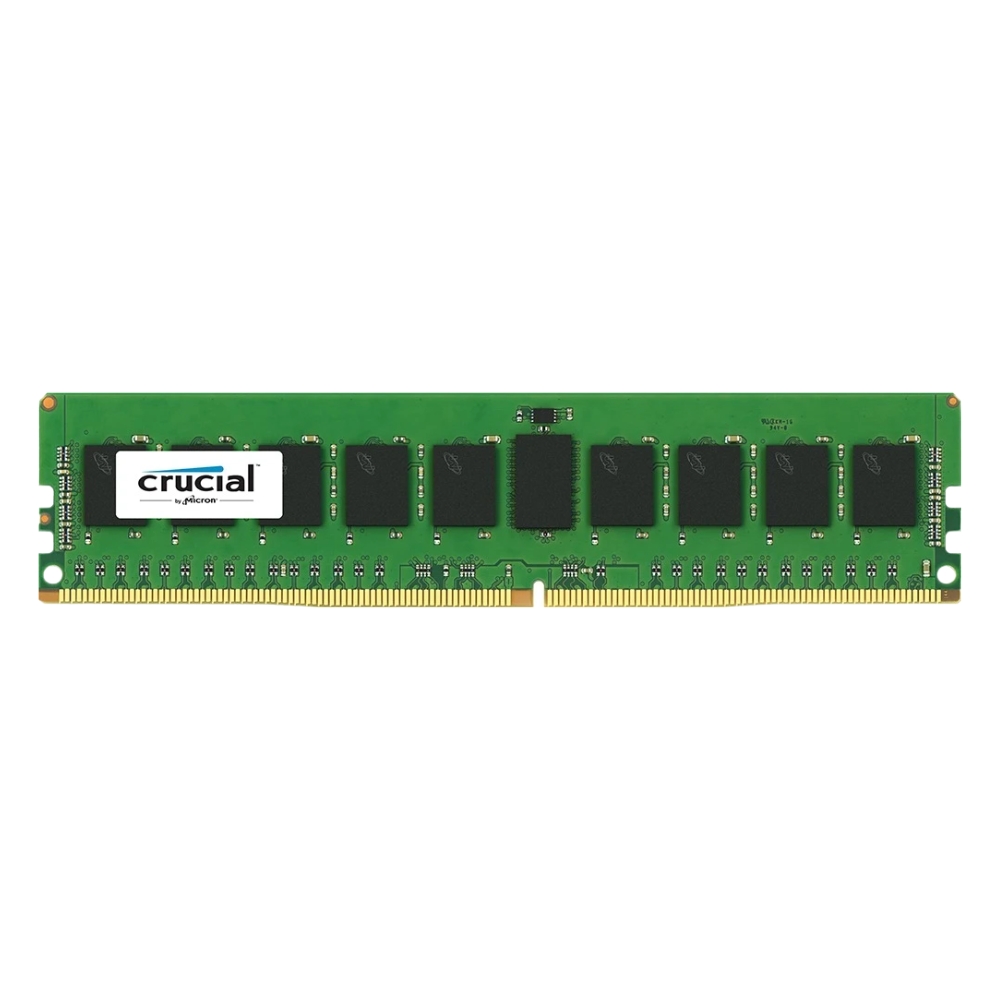
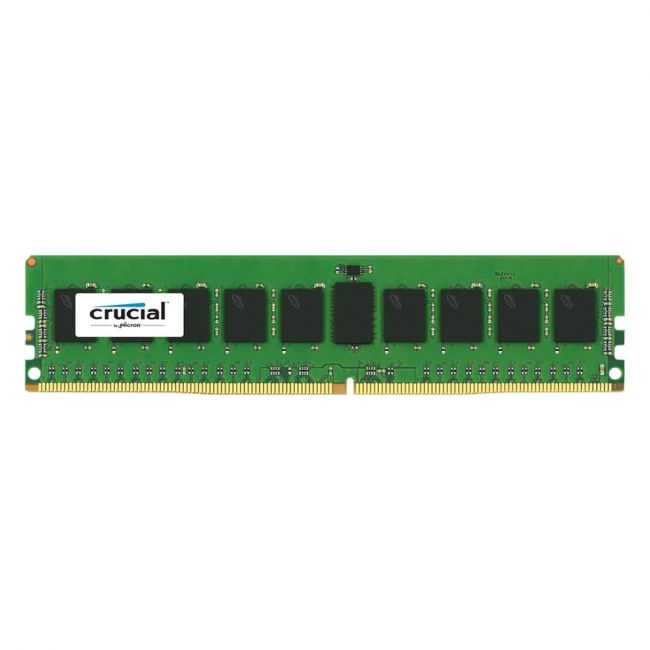
The Crucial CT16G4RFD424A.36FB1 is a 16GB DDR4 ECC Registered DIMM module that provides error-correcting memory at a speed of 2400 MT/s with a CAS latency of 17. It fits server and workstation platforms requiring registered ECC modules for enhanced reliability. |
General Information |
|
|---|---|
| Brand | Crucial |
Technical Information |
|
|---|---|
| Memory Capacity | 16GB |
| Memory Technology | DDR4 |
| Module Type | RDIMM |
| RAM Standard | PC4-19200 |
| Pin Count | 288-Pin |
| Error Correction | ECC,Registered |
| Rank | Dual Rank (2Rx4) |
| Voltage | 1.2V |
Performance |
|
|---|---|
| Bus Speed | 2400 MT/s |
| Bandwidth | 19200 MB/s |
| Native Speed | 2400 MHz |
| CAS | CL17 |
Physical Characteristics |
|
|---|---|
| Weight | 3.00 |
| Condition | Refurbished |
Miscellaneous |
|
|---|---|
| Eco Friendly | Yes |
| Compliance Standards | WEEE, RoHS, CE |
| Assembly Required | No |
Product Description |
|---|
The Crucial CT16G4RFD424A.36FB1 is a 16GB DDR4 memory module engineered to provide reliable system memory capacity and performance. It operates at a frequency of 2400 MT/s with a CAS latency of 17, balancing speed and response times for consistent operation. This module features ECC (Error-Correcting Code) and is a Registered DIMM (RDIMM), meaning it can detect and correct single-bit memory errors, improving system stability and data integrity in critical computing environments. It is typically used in servers and workstations where memory reliability is essential. Key Features
In practical terms, the Crucial CT16G4RFD424A.36FB1 helps maintain system uptime and data accuracy in enterprise IT setups. Its ECC capability reduces risks of data corruption, making it a preferred choice for mission-critical applications. |
Use Cases |
|---|
This Crucial 16GB DDR4-2400 CL17 ECC RDIMM memory module is typically used in server environments and workstations where data integrity and system stability are priorities. It supports workloads that benefit from error correction and registered memory architecture. How It's Used:
Its role is to provide stable memory capacity with error correction, reducing system crashes caused by memory errors and supporting consistent performance in critical computing tasks. |
FAQ's |
|---|
|
 Shipping Options
 International Delivery
Requires a UPS, FedEx, or DHL account. Customers may arrange pickup from our US warehouse.
 Payment Methods
We accept Visa, Mastercard, AMEX, Discover, and Wire Transfer.
 Purchase Orders
We process purchase orders for government agencies, enterprises, data centers, and SMBs.