

Subscribe To Our Newsletter!
Subscribe to the newsletter to stay up to date with the latest news and most useful
Newsletter
↑
Back to Top



Product Overview |
|---|
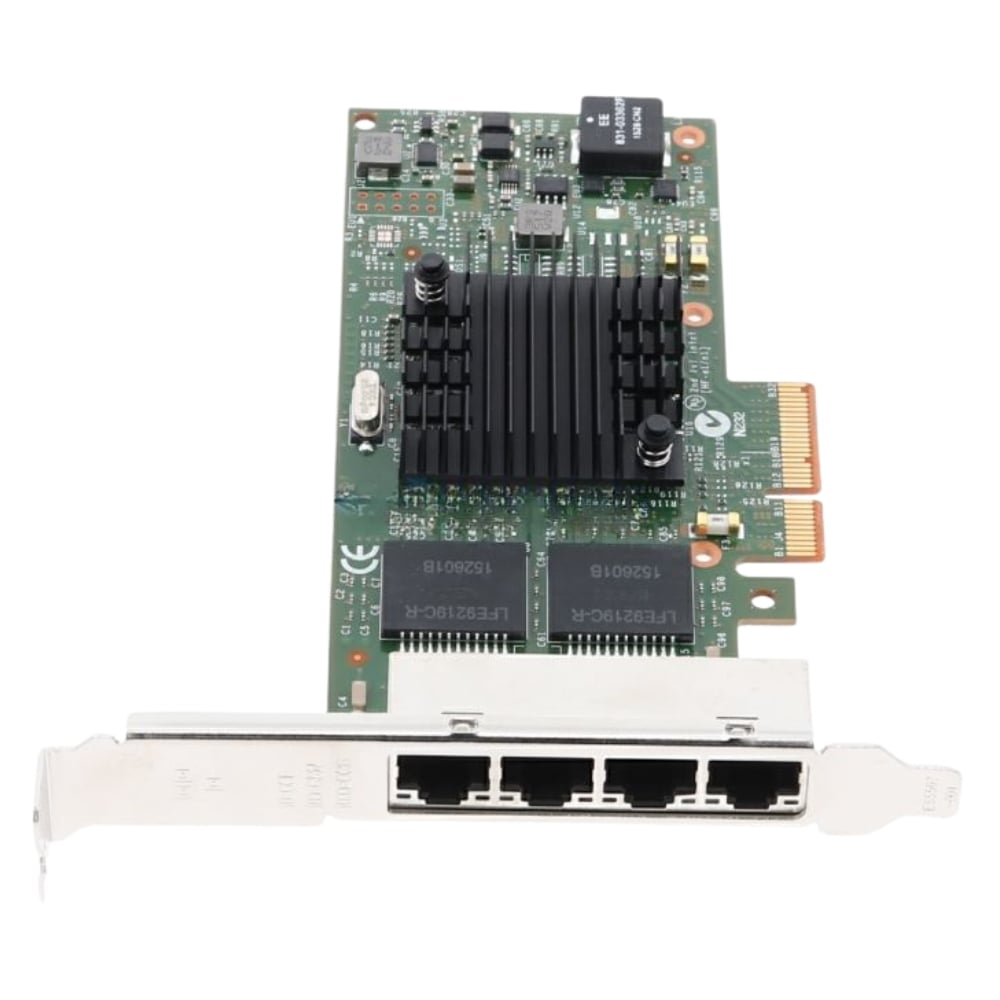
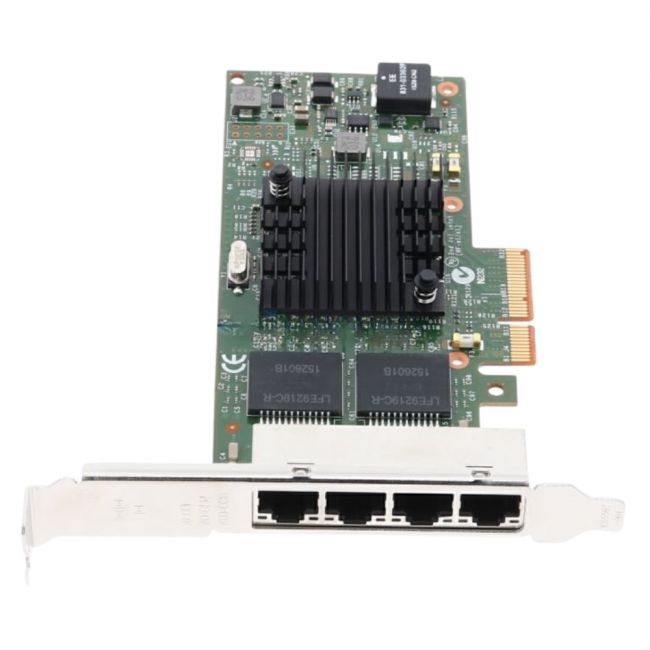
The CR774 - Dell 4 x Ports iSCSI TOE Key Engine Adapter serves as a specialized network interface that manages iSCSI traffic efficiently, offloading protocol processing from the main server processor. Typically used within enterprise server environments, it fits into network architectures requiring optimized storage access and reduced host CPU utilization. |
General Information |
|
|---|---|
| Brand | Dell |
Technical Information |
|
|---|---|
| Product Type | Network Adaptor |
| Storage Over Ethernet | iSCSI |
| Number of Ports | 4-Port (Quad) |
| Offload Support | iSCSI, TCP Stateless Offload |
Connectivity & Physical |
|
|---|---|
| Weight | 3.00 |
| Condition | Refurbished |
Miscellaneous |
|
|---|---|
| Assembly Required | No |
Product Description |
|---|
The CR774 - Dell 4 x Ports iSCSI TOE Key Engine Adapter is designed to improve network efficiency by offloading TCP/IP and iSCSI processing tasks from the host CPU. It is commonly found in data center servers where network performance and resource optimization are critical. IT professionals managing server infrastructures benefit from this adapter to streamline storage networking operations. Key Features
This adapter plays a vital role in enhancing overall server network throughput and reliability. Its ability to handle network tasks efficiently translates into better system responsiveness and stability. With solid performance under typical operating conditions, it contributes to the consistent functioning of storage and network resources. |
Use Cases |
|---|
This adapter is typically deployed in enterprise data centers and server rooms where high-performance storage networking is essential. It is suited for environments requiring efficient iSCSI traffic management to maintain system throughput and resource allocation. How It's Used:
By offloading network processing, the adapter helps maintain system efficiency and scalability. It ensures consistent data flow and supports the performance demands typical in advanced storage and networking deployments. |
 Shipping Options
 International Delivery
Requires a UPS, FedEx, or DHL account. Customers may arrange pickup from our US warehouse.
International Delivery
Requires a UPS, FedEx, or DHL account. Customers may arrange pickup from our US warehouse.
 Payment Methods
We accept Visa, Mastercard, AMEX, Discover, and Wire Transfer.
Payment Methods
We accept Visa, Mastercard, AMEX, Discover, and Wire Transfer.
 Purchase Orders
We process purchase orders for government agencies, enterprises, data centers, and SMBs.
Purchase Orders
We process purchase orders for government agencies, enterprises, data centers, and SMBs.