Subscribe To Our Newsletter!
Subscribe to the newsletter to stay up to date with the latest news and most useful
Newsletter
↑
Back to Top



Product Overview |
|---|
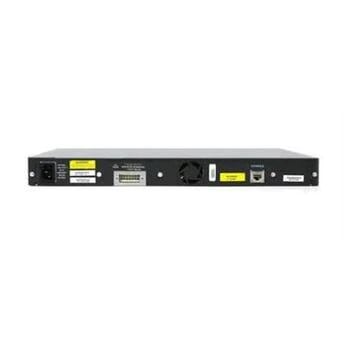
The Cisco Nexus 2000 Series Fan Module Spare acts as a direct replacement to ensure consistent cooling for the Nexus 2000 fabric extenders. It's designed to be swapped in easily, helping maintain proper airflow and prevent overheating in network switches, which is essential for reliable operation in data center environments. |
General Information |
|
|---|---|
| Brand | Cisco |
| Part Number | N2K-C2248-FAN-B= |
Technical Specification |
|
|---|---|
| Component Type | Fan Tray |
| Cooling Method | Active |
| Material | Plastic and metal |
| Compatibility | Cisco Nexus 2000 Series (N2K-C2248 Fabric Extender) |
| Voltage | 12V DC |
| Connector Type | Proprietary Cisco fan connector (multi-pin) |
| Airflow Direction | Front-to-back |
Physical Characteristics |
|
|---|---|
| Form Factor | Hot-swappable fan module |
| Weight | 3.00 |
| Condition | Refurbished |
Miscellaneous |
|
|---|---|
| Assembly Required | Yes |
| Eco Friendly | Yes |
| Compliance Standards | WEEE, RoHS, CE, FCC, UL, TUV, cULus |
Product Description |
|---|
This fan module is designed as a spare part for Cisco Nexus 2000 Series fabric extenders. It plays a crucial role in keeping the switch hardware cool during operation, preventing overheating that can affect performance and hardware lifespan. Often found in data centers and enterprise network environments, this fan module ensures the cooling system remains effective, supporting network stability. Network administrators and IT technicians typically use it to replace faulty or worn fans to maintain equipment reliability. Key Features
These fan modules are usually deployed within server racks and networking closets where Nexus 2000 switches are installed. They contribute directly to the stable operation of critical network infrastructure by managing heat effectively. Replacing fan modules as part of regular maintenance helps avoid unexpected hardware failures and keeps network uptime high. |
Use Cases |
|---|
The Cisco Nexus 2000 Series Fan Module Spare is primarily employed in data center environments where Cisco Nexus 2000 fabric extenders are deployed. Network administrators and IT teams managing high-density rack deployments benefit from this component to ensure sustained thermal regulation and system stability. How It's Used:
By ensuring effective thermal management, this fan module spare helps maintain network switch reliability and performance, supporting operational efficiencies essential to complex IT infrastructures. Its straightforward installation contributes to scalability by reducing maintenance windows and preserving network uptime. |
 Shipping Options
 International Delivery
Requires a UPS, FedEx, or DHL account. Customers may arrange pickup from our US warehouse.
International Delivery
Requires a UPS, FedEx, or DHL account. Customers may arrange pickup from our US warehouse.
 Payment Methods
We accept Visa, Mastercard, AMEX, Discover, and Wire Transfer.
Payment Methods
We accept Visa, Mastercard, AMEX, Discover, and Wire Transfer.
 Purchase Orders
We process purchase orders for government agencies, enterprises, data centers, and SMBs.
Purchase Orders
We process purchase orders for government agencies, enterprises, data centers, and SMBs.