

Subscribe To Our Newsletter!
Subscribe to the newsletter to stay up to date with the latest news and most useful
Newsletter
↑
Back to Top



Product Overview |
|---|
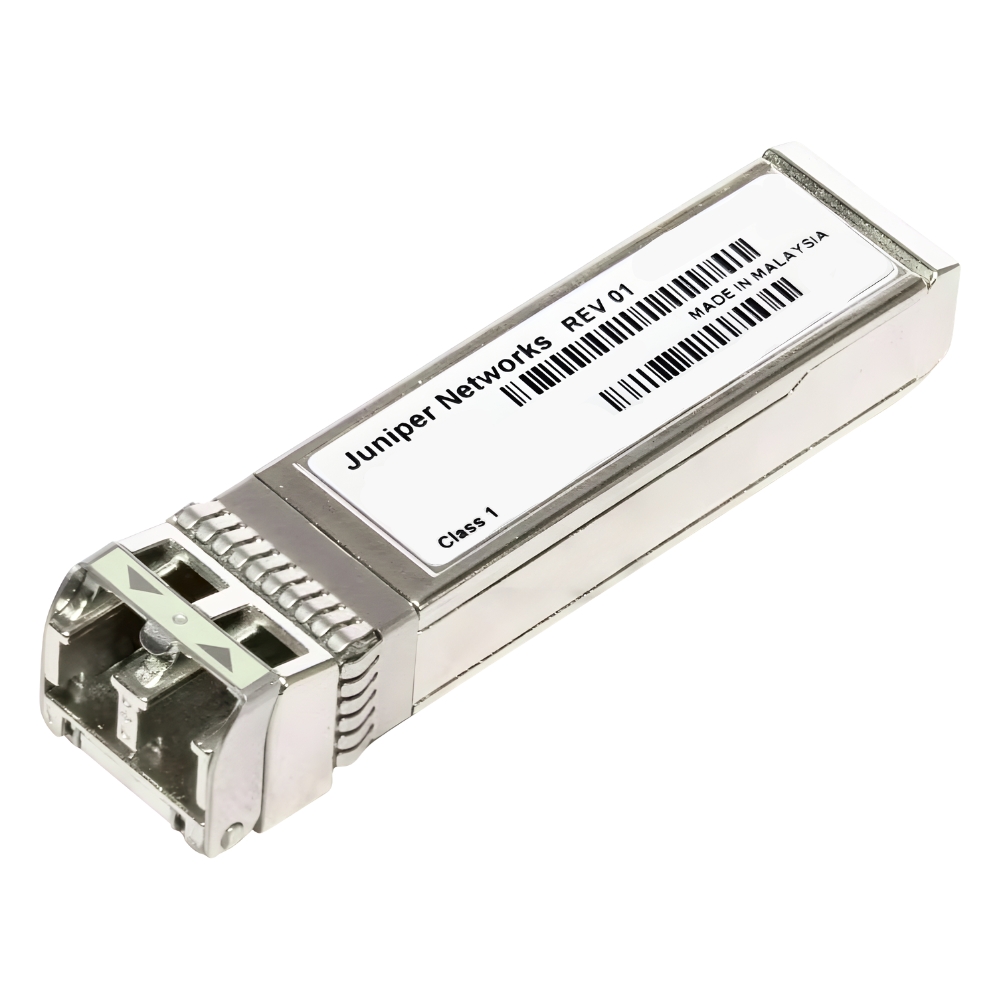
The CFP-GEN2-100GBASE-LR4 is a second-generation 100 Gb/s optical transceiver designed for long-reach single-mode fiber applications. It fits into CFP slots on networking equipment to extend the reach of high-speed data connections, offering a balance of performance and compatibility in core and edge network environments. |
General Information |
|
|---|---|
| Brand | Juniper Networks |
Technical Information |
|
|---|---|
| Form Factor | CFP2 |
| Media | SMF |
| Type | 4 x LAN WDM EML |
| Protocols | 100GBASE-LR4,100G Ethernet |
| Connector | LC Duplex |
| DOM Support | Yes |
Physical Characteristics |
|
|---|---|
| Weight | 3.00 |
| Condition | Refurbished |
Product Description |
|---|
The CFP-GEN2-100GBASE-LR4 transceiver is built for high-performance optical communication, enabling 100 gigabit per second data transmission over single-mode fiber. This module is commonly found in data centers and enterprise networks where long-distance, high-capacity connectivity is essential. Often used by network engineers and IT professionals managing scalable infrastructure, it adapts well to environments requiring robust and reliable optical links. It supports 10 km reach, making it suitable for campus or metro area network deployments. Key Features
This transceiver plays a vital role in facilitating efficient high-speed data transport without compromising signal integrity over longer distances. Its reliability and consistent performance minimize network downtime and enable smooth expansion of fiber optic networks. |
Use Cases |
|---|
This transceiver is typically deployed in large-scale data centers, telecommunications networks, and enterprise WANs where extended range and high bandwidth are critical. It suits users requiring scalable and reliable fiber optic connectivity over distances up to 10 kilometers. How It's Used:
By integrating this transceiver, network operators can maintain consistent throughput and signal quality, supporting the demanding needs of modern IT infrastructure. It helps optimize network scalability while maintaining low operational complexity. |
 Shipping Options
 International Delivery
Requires a UPS, FedEx, or DHL account. Customers may arrange pickup from our US warehouse.
International Delivery
Requires a UPS, FedEx, or DHL account. Customers may arrange pickup from our US warehouse.
 Payment Methods
We accept Visa, Mastercard, AMEX, Discover, and Wire Transfer.
Payment Methods
We accept Visa, Mastercard, AMEX, Discover, and Wire Transfer.
 Purchase Orders
We process purchase orders for government agencies, enterprises, data centers, and SMBs.
Purchase Orders
We process purchase orders for government agencies, enterprises, data centers, and SMBs.