

Subscribe To Our Newsletter!
Subscribe to the newsletter to stay up to date with the latest news and most useful
Newsletter
↑
Back to Top



Product Overview |
|---|
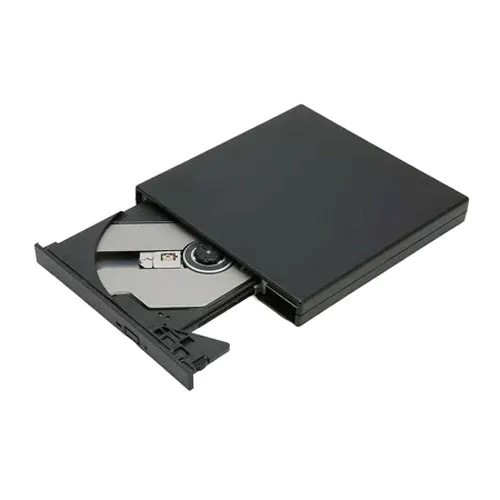
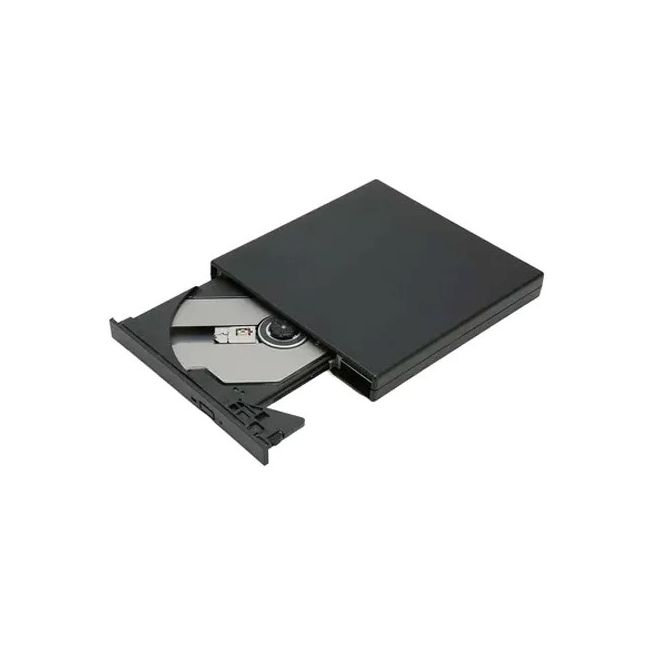
The CDR-1900A NEC 32x IDE CD-ROM drive reads optical discs using a standard IDE connection commonly found in desktops. It fits systems that require a legacy CD-ROM device to access software, music, or data stored on CDs. This drive serves as a practical choice for maintaining or upgrading older PC setups where IDE interfaces are still in use. |
General Information |
|
|---|---|
| Brand | NEC |
| Part Number | CDR-1900A |
Technical Information |
|
|---|---|
| Interface | IDE, ATAPI, EIDE |
| Data Transfer Rate | 32x (≈4.8 MB/s) |
Physical Characteristics |
|
|---|---|
| Weight | 5.00 |
| Condition | Refurbished |
Miscellaneous |
|
|---|---|
| Eco Friendly | Yes |
| Assembly Required | Yes |
| Compliance Standards | WEEE, RoHS, cURus, CE, FCC, CCC, UL, TUV, cULus, CSA, cUL |
Product Description |
|---|
The CDR-1900A is an IDE-based CD-ROM optical drive designed primarily for desktop PCs. It reads CDs at speeds up to 32x, making it suitable for accessing data, software installations, and audio playback. Often found in older or legacy systems, this drive fits well in setups requiring a standard IDE interface and NEC compatibility. Built for users who need dependable optical media reading capabilities, the CDR-1900A is commonly used by technicians servicing vintage computers or anyone replacing an IDE CD-ROM drive. Its straightforward design ensures easy installation and consistent performance. Key Features
This drive is typically deployed in older computer systems that still rely on IDE connections. It plays a crucial role in maintaining legacy hardware functionality, especially when optical media access is necessary for software or archival purposes. The CDR-1900A helps extend the usability of these machines without requiring modern hardware upgrades. |
Use Cases |
|---|
The CDR-1900A NEC 32x IDE CD-ROM drive is primarily utilized in legacy desktop environments where IDE interfaces remain integral. IT professionals managing older workstations or industrial PCs benefit from this drive for software installation, data retrieval, or archival access from optical media. It is particularly relevant in settings where network-based data transfer is limited or where CD-based content distribution persists. How It's Used:
This optical drive sustains operational continuity in environments dependent on legacy hardware by enabling reliable access to CD-based resources. Its compatibility with standard IDE systems ensures seamless integration, preserving workflow efficiency in specialized or constrained IT setups. |
 Shipping Options
 International Delivery
Requires a UPS, FedEx, or DHL account. Customers may arrange pickup from our US warehouse.
International Delivery
Requires a UPS, FedEx, or DHL account. Customers may arrange pickup from our US warehouse.
 Payment Methods
We accept Visa, Mastercard, AMEX, Discover, and Wire Transfer.
Payment Methods
We accept Visa, Mastercard, AMEX, Discover, and Wire Transfer.
 Purchase Orders
We process purchase orders for government agencies, enterprises, data centers, and SMBs.
Purchase Orders
We process purchase orders for government agencies, enterprises, data centers, and SMBs.