

Subscribe To Our Newsletter!
Subscribe to the newsletter to stay up to date with the latest news and most useful
Newsletter
↑
Back to Top



Product Overview |
|---|
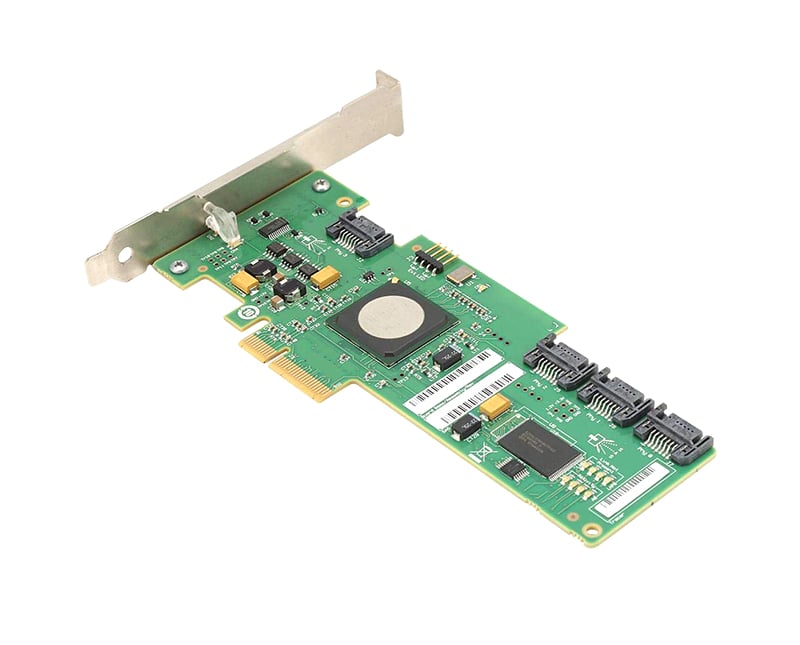
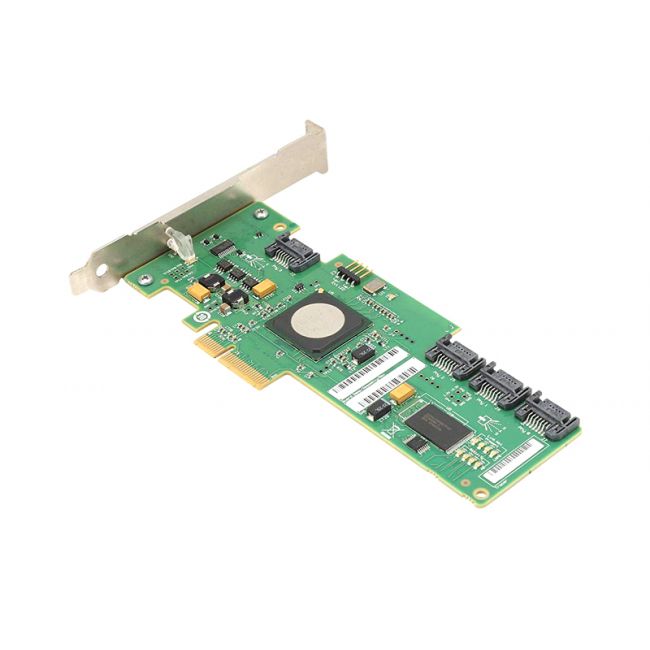
The Fujitsu Dx440 S2 Controller Module integrates a Xeon EC5549 processor, memory, and storage to manage server tasks effectively. It fits into Fujitsu’s Dx440 S2 servers, where it supports applications requiring consistent performance and reliable data handling. |
General Information |
|
|---|---|
| Brand | Fujitsu |
| Part Number | CA07555-D831 |
Physical Characteristics |
|
|---|---|
| Weight | 5.00 |
| Condition | Refurbished |
Miscellaneous |
|
|---|---|
| Eco Friendly | Yes |
| Compliance Standards | WEEE, RoHS, CE, FCC, UL, TUV |
Product Description |
|---|
This Fujitsu Dx440 S2 Controller Module is built for managing and optimizing server workloads. It integrates an Intel Xeon EC5549 processor running at 2.53 GHz, providing solid computational power for a variety of enterprise applications. Often found in data centers and IT infrastructure setups, this controller is used to handle storage and processing tasks, making it suitable for businesses that need dependable server performance. Key Features
The controller module is typically deployed in enterprise environments where reliable server management is critical. It plays a vital role in ensuring stable operation and responsive handling of multiple tasks within Fujitsu’s server systems. By combining processing power, memory, and storage, this module helps keep data flows smooth and systems responsive under load. |
Use Cases |
|---|
The CA07555-D831 Fujitsu Controller Module is primarily utilized in data center environments and enterprise server infrastructures where consistent processing power and memory capacity are critical. IT administrators managing virtualization workloads and complex storage systems benefit from its integration in Fujitsu Dx440 S2 servers, enabling reliable and efficient data handling under sustained operational demands. How It's Used:
This controller module contributes to operational efficiency by consolidating processing and caching functions within a single unit, supporting scalability through modular deployment. Its design aligns with infrastructure requirements that emphasize both reliability and sustained performance in demanding enterprise contexts. |
 Shipping Options
 International Delivery
Requires a UPS, FedEx, or DHL account. Customers may arrange pickup from our US warehouse.
International Delivery
Requires a UPS, FedEx, or DHL account. Customers may arrange pickup from our US warehouse.
 Payment Methods
We accept Visa, Mastercard, AMEX, Discover, and Wire Transfer.
Payment Methods
We accept Visa, Mastercard, AMEX, Discover, and Wire Transfer.
 Purchase Orders
We process purchase orders for government agencies, enterprises, data centers, and SMBs.
Purchase Orders
We process purchase orders for government agencies, enterprises, data centers, and SMBs.