

Subscribe To Our Newsletter!
Subscribe to the newsletter to stay up to date with the latest news and most useful
Newsletter
↑
Back to Top



Product Overview |
|---|
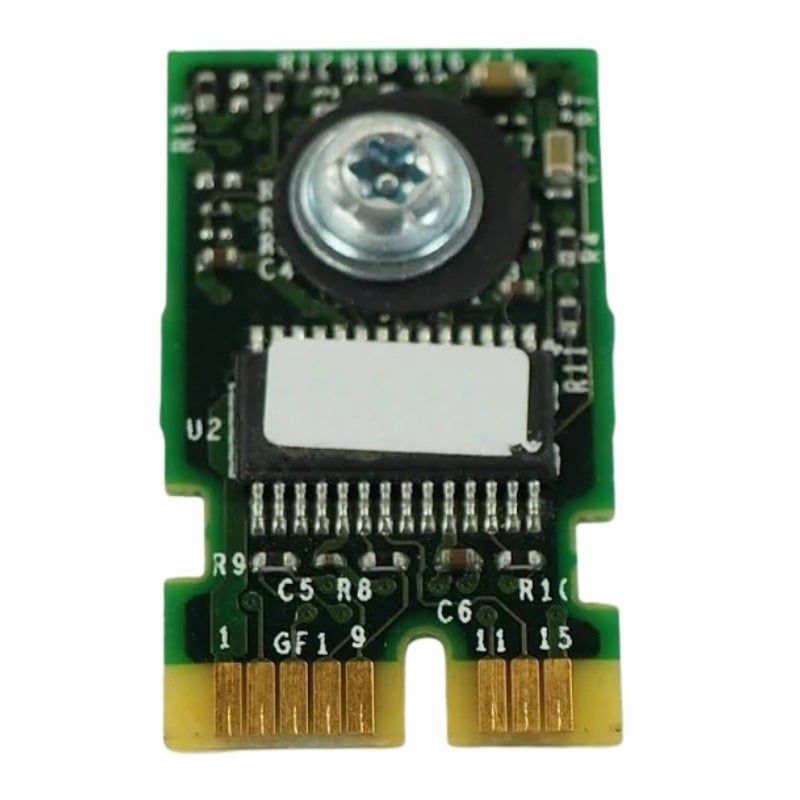
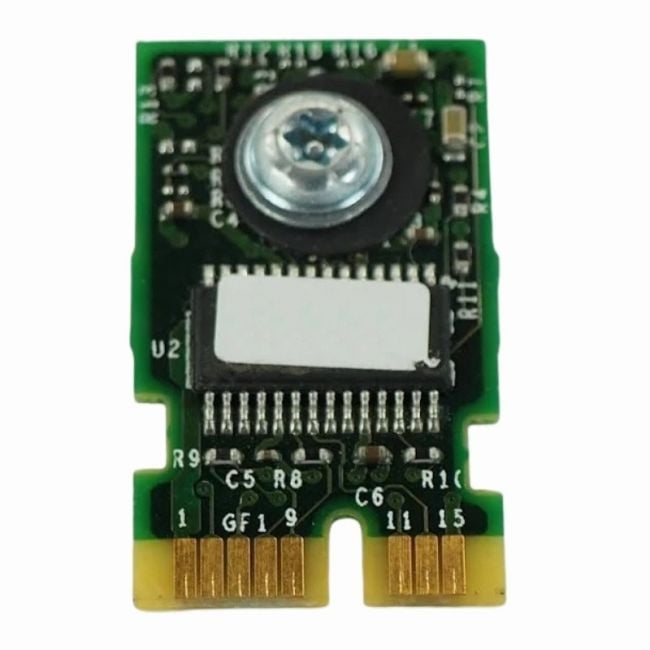
The C9KDR Dell Trusted Platform Module 2.0 integrates with PowerEdge R440 and R540 servers to provide hardware-based security features. It fits into environments where secure key storage and system integrity are priorities, supporting encrypted operations and trusted platform capabilities without adding complexity to server management. |
General Information |
|
|---|---|
| Brand | Dell |
| Part Number | C9KDR |
Technical Information |
|
|---|---|
| tpm_interface | LPC |
| TPM Version | TPM 2.0 |
| Compatibility | Dell PowerEdge R440, Dell PowerEdge R540 |
Physical Characteristics |
|
|---|---|
| Weight | 5.00 |
| Condition | Refurbished |
Product Description |
|---|
The Dell Trusted Platform Module 2.0 for PowerEdge R440 and R540 is designed to bolster server security by providing hardware-level encryption and authentication capabilities. It is commonly used in enterprise environments where protecting sensitive data and system integrity is crucial. IT professionals and system administrators often rely on this module to help secure their PowerEdge servers against unauthorized access and tampering. Key Features
This module is typically deployed in data centers and server rooms where Dell PowerEdge R440 and R540 servers operate. It plays a key role in enforcing security policies and safeguarding sensitive workloads, helping organizations maintain trust in their infrastructure. |
Use Cases |
|---|
The C9KDR Dell Trusted Platform Module 2.0 is primarily utilized in data center environments and enterprise IT infrastructures where secure hardware-based authentication and encryption are critical. Organizations managing sensitive workloads or requiring stringent compliance benefit from integrating TPM 2.0 modules into PowerEdge R440 and R540 servers to enhance system integrity and protect cryptographic keys. How It's Used:
By integrating the TPM 2.0 module, organizations can maintain hardware-level trust anchors that streamline security management and reduce risks associated with unauthorized access. This approach aids operational continuity, especially in scalable environments that demand robust encryption and authentication mechanisms. |
 Shipping Options
 International Delivery
Requires a UPS, FedEx, or DHL account. Customers may arrange pickup from our US warehouse.
International Delivery
Requires a UPS, FedEx, or DHL account. Customers may arrange pickup from our US warehouse.
 Payment Methods
We accept Visa, Mastercard, AMEX, Discover, and Wire Transfer.
Payment Methods
We accept Visa, Mastercard, AMEX, Discover, and Wire Transfer.
 Purchase Orders
We process purchase orders for government agencies, enterprises, data centers, and SMBs.
Purchase Orders
We process purchase orders for government agencies, enterprises, data centers, and SMBs.