Subscribe To Our Newsletter!
Subscribe to the newsletter to stay up to date with the latest news and most useful
Newsletter
↑
Back to Top



Product Overview |
|---|
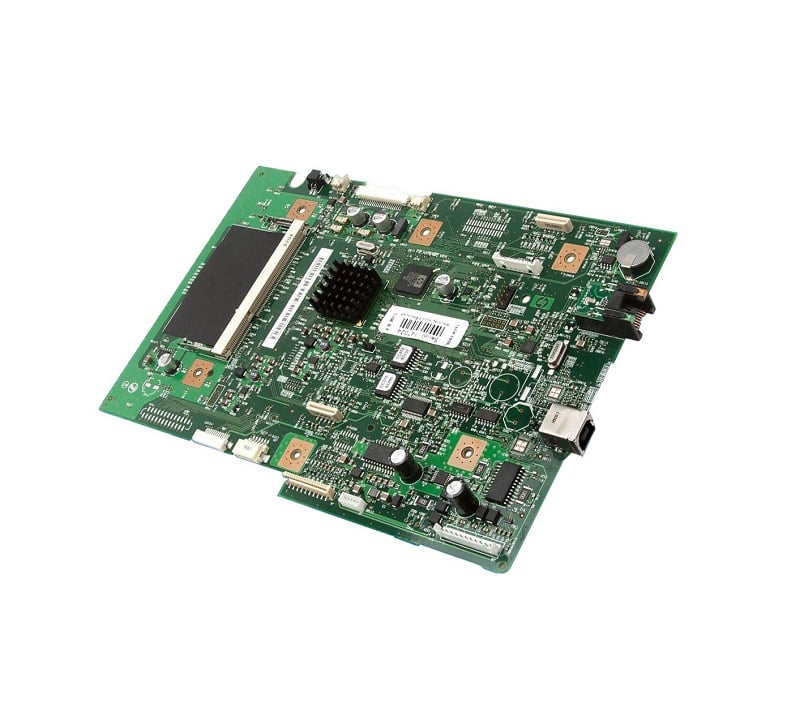
The HP Formatter Board Assembly is the main logic board for LaserJet 4 and 4m printers, handling data processing and communication tasks. It fits within the printer's main chassis to coordinate print operations and maintain compatibility with these legacy devices. |
General Information |
|
|---|---|
| Brand | HP |
| Part Number | C2002-67901 |
Miscellaneous |
|
|---|---|
| Assembly Required | Yes |
| Eco Friendly | Yes |
| Compliance Standards | WEEE, RoHS, cURus, CE, FCC, CCC, UL, TUV, cULus, CSA, cUL |
Physical Characteristics |
|
|---|---|
| Form Factor | Formatter Board (Main Logic PCA), PCB |
| Weight | 5.00 |
| Condition | Refurbished |
Product Description |
|---|
The HP Formatter Board Assembly serves as the central processing unit within LaserJet 4 and 4m printers. It manages data flow and controls printer functions, ensuring that print jobs are executed accurately. Often found in office environments and print shops using legacy LaserJet models, this board is built for users who need dependable performance from older hardware. It handles instructions from the computer and coordinates with other printer parts to produce clear, consistent prints. Key Features
This formatter board is typically deployed in environments where LaserJet 4 and 4m printers remain in use, such as small offices or archival setups. It plays a crucial role in keeping these printers operational without needing a full replacement. |
Use Cases |
|---|
The HP Formatter Board Assembly is primarily utilized in legacy printing environments where maintaining operational continuity of LaserJet 4 and 4m printers is critical. IT departments and service technicians in institutions relying on these older models benefit from its role in ensuring consistent data processing and communication within the printer's architecture. How It's Used:
This formatter board assembly plays a vital role in preserving the operational stability of legacy printing devices, allowing organizations to sustain their print infrastructure without immediate hardware replacement. Its integration supports consistent performance and minimizes downtime in environments reliant on these older LaserJet models. |
 Shipping Options
 International Delivery
Requires a UPS, FedEx, or DHL account. Customers may arrange pickup from our US warehouse.
International Delivery
Requires a UPS, FedEx, or DHL account. Customers may arrange pickup from our US warehouse.
 Payment Methods
We accept Visa, Mastercard, AMEX, Discover, and Wire Transfer.
Payment Methods
We accept Visa, Mastercard, AMEX, Discover, and Wire Transfer.
 Purchase Orders
We process purchase orders for government agencies, enterprises, data centers, and SMBs.
Purchase Orders
We process purchase orders for government agencies, enterprises, data centers, and SMBs.