

Subscribe To Our Newsletter!
Subscribe to the newsletter to stay up to date with the latest news and most useful
Newsletter
↑
Back to Top


✔ Compact capacity: 146.8GB of storage for essential legacy systems.
✔ High Speed Access: 10K RPM offers fast data processing.
✔ ULTRA320 interface: guarantees efficient communication with previous configurations.
✔ Durable design: Built for a yield consisting of demanding conditions.
✔ Inherited support: fully compatible with systems that require 80 pin connections.

| Product Overview |
|---|
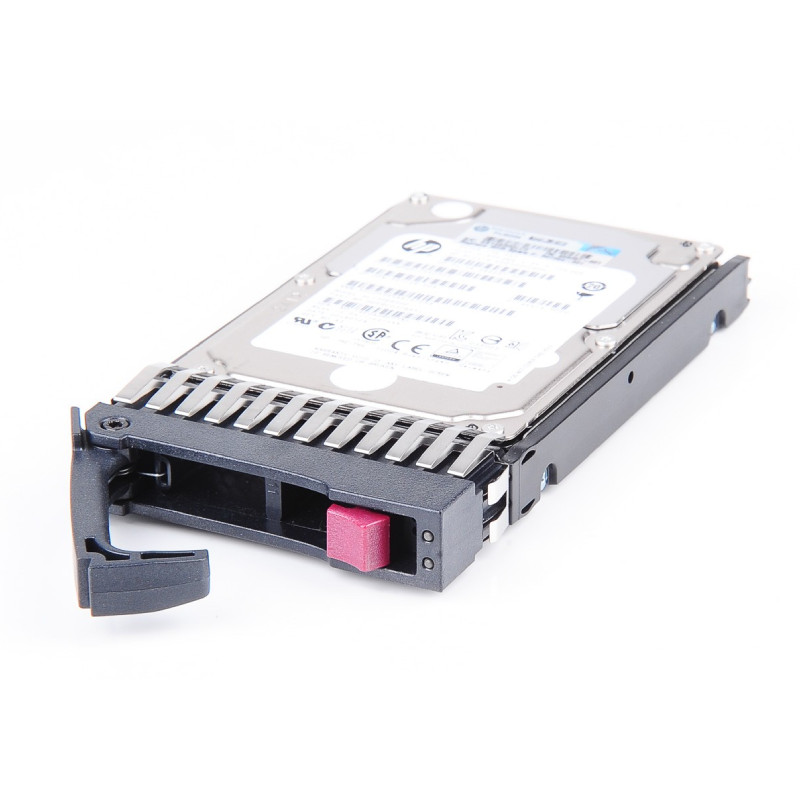
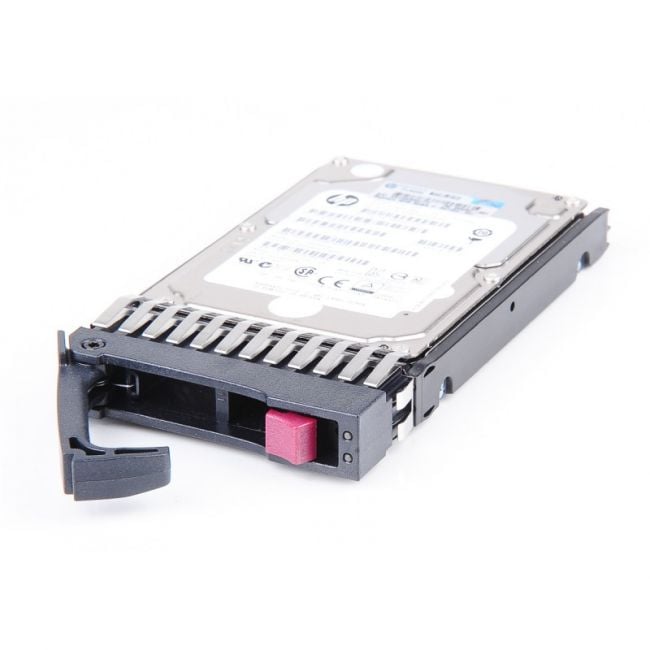
| HP 146.8GB Ultra320 SCSI hard drive is designed to keep the legacy systems running without problems. With a speed of 10K RPM and a 80 pin interface it guarantees fast and reliable data access. Built for durability this unit is ideal for environments that require reliable performance and long term reliability. |
| General Information | |
|---|---|
| Brand | HP |
| Part Number | BD1468A4C5 |
| Technical Information | |
|---|---|
| Capacity | 146.8GB |
| Interfaces/Ports | |
|---|---|
| Interface | SCSI |
| Physical Characteristics | |
|---|---|
| Condition | Refurbished |
| Weight | 1.76 |
| Miscellaneous | |
|---|---|
| Eco Friendly | Yes |
| Product Description |
|---|
The HP 146.8GB Ultra320 SCSI Speech is a reliable solution for companies that maintain inherited systems. With its speed of 10K RPM it offers data access faster which guarantees a smooth performance even low heavy workloads. The ULTRA320 interface improves data communication which makes it a reliable option for older settings. Key Features and Specifications:
|
| Use Cases |
|---|
The HP BD1468A4C5 Ultra320 SCSI hard drive is primarily utilized in legacy server environments and data centers where maintaining compatibility with existing infrastructure is critical. IT professionals managing established storage systems benefit from its reliable performance and durability under demanding workloads. How It's Used:
This SCSI drive facilitates operational continuity in environments with legacy protocols, ensuring efficient data throughput and minimizing disruptions. Its design supports scalability within existing configurations, enabling IT teams to extend system life cycles without compromising performance. |
 Shipping Options
 International Delivery
Requires a UPS, FedEx, or DHL account. Customers may arrange pickup from our US warehouse.
International Delivery
Requires a UPS, FedEx, or DHL account. Customers may arrange pickup from our US warehouse.
 Payment Methods
We accept Visa, Mastercard, AMEX, Discover, and Wire Transfer.
Payment Methods
We accept Visa, Mastercard, AMEX, Discover, and Wire Transfer.
 Purchase Orders
We process purchase orders for government agencies, enterprises, data centers, and SMBs.
Purchase Orders
We process purchase orders for government agencies, enterprises, data centers, and SMBs.