

Subscribe To Our Newsletter!
Subscribe to the newsletter to stay up to date with the latest news and most useful
Newsletter
↑
Back to Top



Product Overview |
|---|
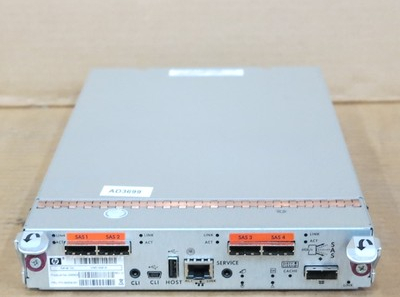
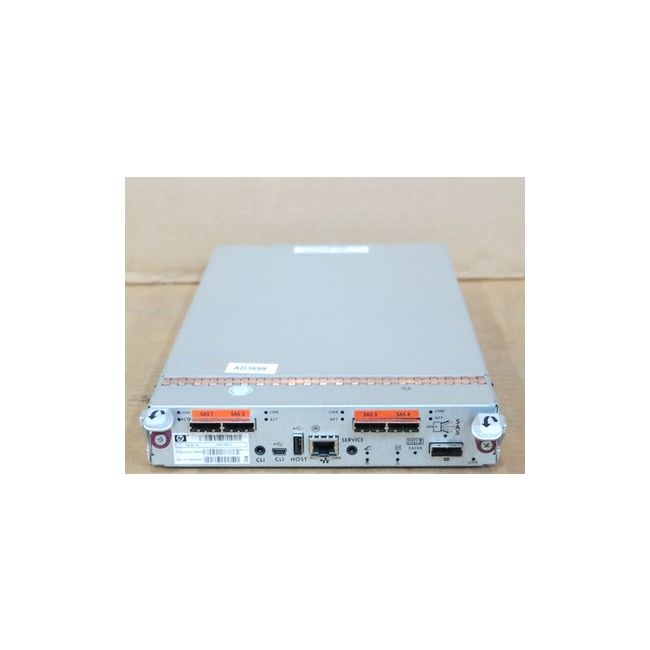
The AW592A HP P2000 G3 Modular Smart Array SAS Controller handles data connectivity for HP P2000 G3 storage systems by providing fast SAS links and smart modular management. It fits into the infrastructure of enterprise storage arrays, supporting flexible configurations and helping keep data flowing smoothly across connected drives. |
General Information |
|
|---|---|
| Brand | HP |
Physical Characteristics |
|
|---|---|
| Weight | 5.00 |
| Condition | Refurbished |
Product Description |
|---|
The AW592A SAS controller is built to manage HP P2000 G3 Modular Smart Arrays, providing reliable storage connectivity through high-speed SAS interfaces. Often found in enterprise storage environments, it helps coordinate data flow between disks and servers efficiently. Commonly used in small to medium business data centers, this controller supports IT professionals and system administrators who need straightforward, scalable storage solutions with smart management capabilities. Key Features
This controller is typically deployed in business data centers where efficient and reliable storage management is essential. It plays a key role in maintaining consistent access to critical data with minimal downtime, making storage expansion and upgrades manageable without major disruptions. |
Use Cases |
|---|
The AW592A HP P2000 G3 Modular Smart Array SAS Controller is primarily used in enterprise storage solutions where reliable and scalable SAS connectivity is critical. It is well-suited for IT environments requiring flexible storage array configurations, such as data centers and virtualization platforms that demand consistent performance and easy management. How It's Used:
By enabling modular and scalable SAS connectivity, this controller helps maintain performance consistency during storage growth or reconfiguration. Its smart management features contribute to operational efficiency, reducing complexity in enterprise storage administration and supporting evolving workload requirements. |
 Shipping Options
 International Delivery
Requires a UPS, FedEx, or DHL account. Customers may arrange pickup from our US warehouse.
International Delivery
Requires a UPS, FedEx, or DHL account. Customers may arrange pickup from our US warehouse.
 Payment Methods
We accept Visa, Mastercard, AMEX, Discover, and Wire Transfer.
Payment Methods
We accept Visa, Mastercard, AMEX, Discover, and Wire Transfer.
 Purchase Orders
We process purchase orders for government agencies, enterprises, data centers, and SMBs.
Purchase Orders
We process purchase orders for government agencies, enterprises, data centers, and SMBs.