

Subscribe To Our Newsletter!
Subscribe to the newsletter to stay up to date with the latest news and most useful
Newsletter
↑
Back to Top



Product Overview |
|---|
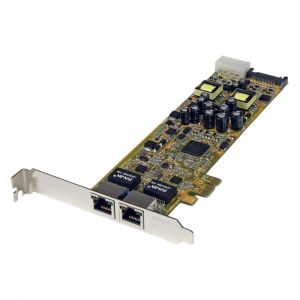
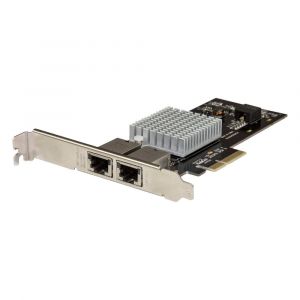
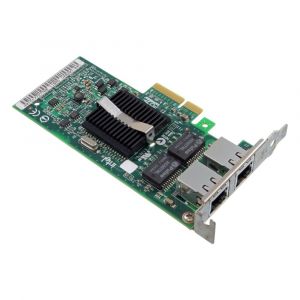
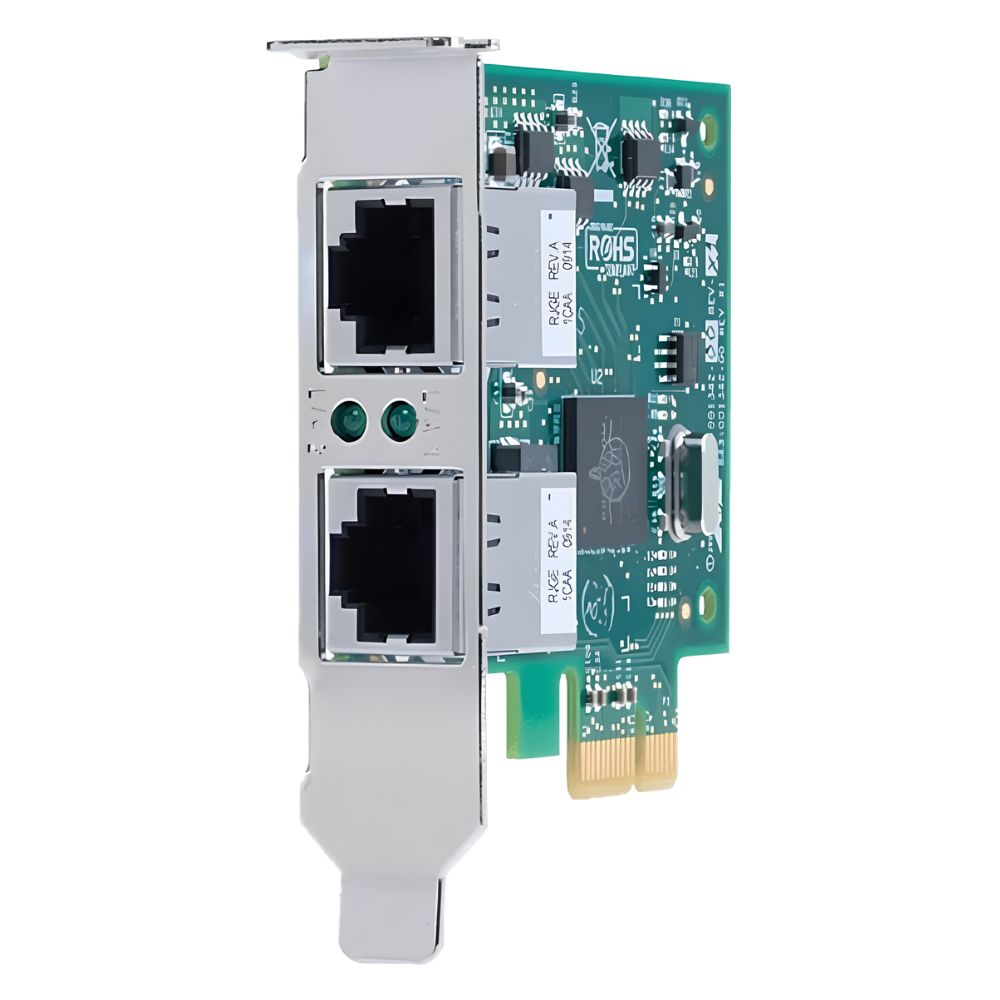
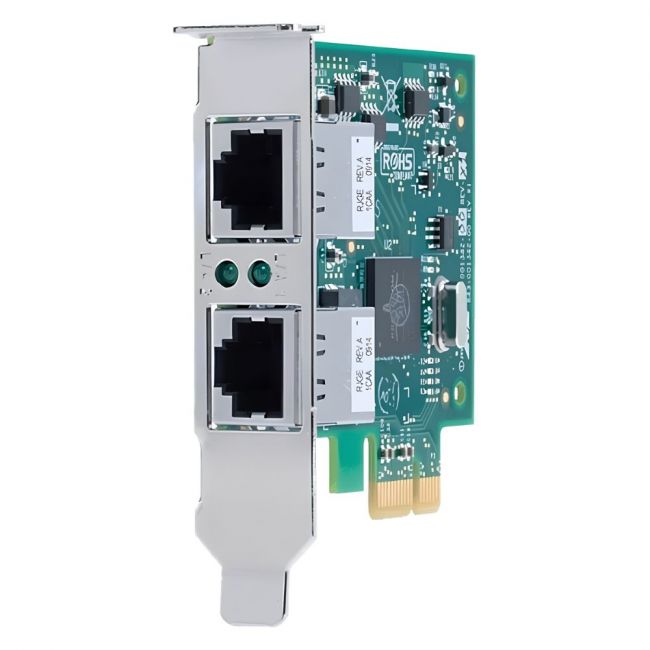
The AT-2911T/2-901 Allied Telesis network adapter provides dual RJ-45 Ethernet ports via a PCIe interface, designed to add additional wired network connections to compatible desktop or server systems. It fits standard PCI Express slots and supports typical Ethernet networking over copper cabling. |
General Information |
|
|---|---|
| Brand | Allied Telesis |
Technical Information |
|
|---|---|
| Product Type | Network Interface Card |
| Data Rate (Speed) | 1GbE |
| Data Center Bridging | No |
| Number of Ports | 2-Port (Dual) |
| Offload Support | PXE Boot, Wake-on-LAN (WoL), Jumbo Frames |
| Bracket Height | Both Brackets Included |
Connectivity & Physical |
|
|---|---|
| Form Factor | Standard PCIe Card |
| Port Type | RJ-45 (Copper) |
| Weight | 3.00 |
| Condition | Refurbished |
Miscellaneous |
|
|---|---|
| Assembly Required | No |
Product Description |
|---|
The AT-2911T/2-901 Allied Telesis Dual Ports RJ-45 PCIe Network Adapter provides desktop systems with two RJ-45 Ethernet ports. It connects through the PCI Express interface, allowing integration into servers or workstations requiring additional network ports. This adapter is typically used in environments where multiple network connections are necessary for tasks such as load balancing, redundancy, or segmentation. IT professionals managing networked systems benefit from deploying this adapter to expand connectivity options. Key Features
This network adapter plays a practical role in enhancing a system's network capacity without requiring external devices. It supports environments where multiple network interfaces are necessary for operational flexibility or network segmentation. |
Use Cases |
|---|
This network adapter is suited for IT environments where systems require multiple Ethernet connections. It fits well in workstations or servers needing network segmentation, redundancy, or expanded connectivity for diverse network paths. How It's Used:
Overall, this adapter expands physical network interface availability, supporting varied network architectures without complex external adapters. |
FAQ's |
|---|
|
 Shipping Options
 International Delivery
Requires a UPS, FedEx, or DHL account. Customers may arrange pickup from our US warehouse.
 Payment Methods
We accept Visa, Mastercard, AMEX, Discover, and Wire Transfer.
 Purchase Orders
We process purchase orders for government agencies, enterprises, data centers, and SMBs.