

Subscribe To Our Newsletter!
Subscribe to the newsletter to stay up to date with the latest news and most useful
Newsletter
↑
Back to Top



Product Overview |
|---|
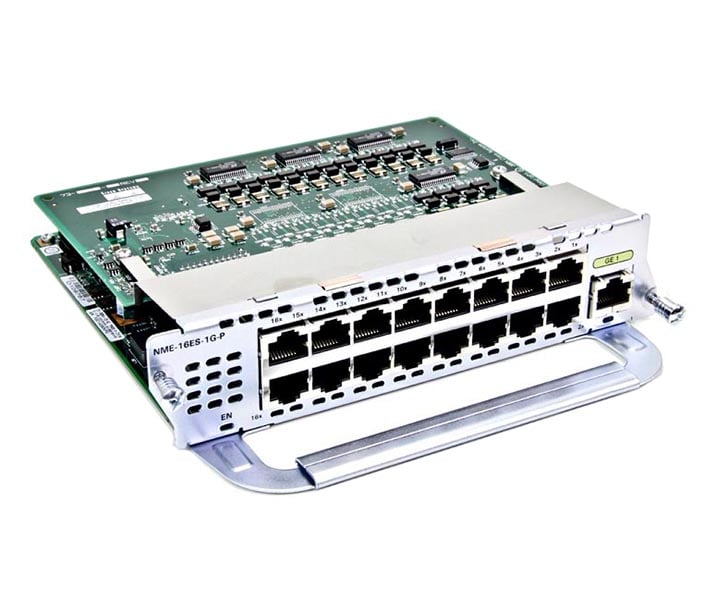
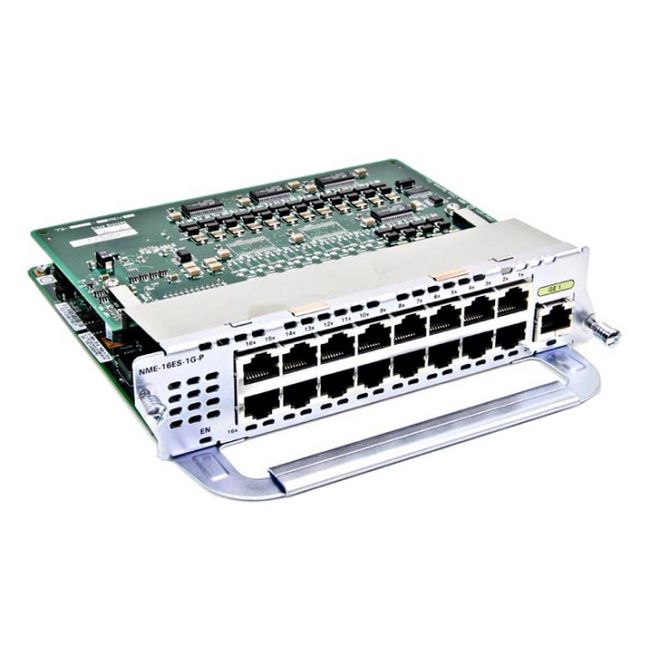
The ASA-IC-6GE-SFP-B interface card provides six SFP ports designed to enhance Cisco ASA firewalls by offering versatile connection options. It fits into models with six expansion slots, enabling administrators to add fiber or copper links seamlessly in various network setups. |
General Information |
|
|---|---|
| Brand | Cisco |
| Part Number | ASA-IC-6GE-SFP-B |
| Product Type | Network Interface Module (NIM) |
| Series | Cisco ASA Interface Card |
Technical Information |
|
|---|---|
| Ports | 6 x SFP (mini-GBIC) |
| Data Rate | 1 Gbps per port |
| Compatibility | Cisco ASA 5585-X |
| Connector Type | SFP (mini-GBIC) |
Physical Characteristics |
|
|---|---|
| Form Factor | Plug-in modular interface card for Cisco ASA chassis |
| Weight | 5.00 |
| Condition | Refurbished |
Miscellaneous |
|
|---|---|
| Assembly Required | Yes |
| Eco Friendly | Yes |
| Compliance Standards | WEEE, RoHS, cURus, CE, FCC, CCC, UL, TUV, cULus, CSA, cUL |
Product Description |
|---|
This Cisco interface card adds six SFP ports to ASA firewall devices, allowing you to expand network connectivity options with fiber or copper modules. It's often found in enterprise security setups where flexible and reliable connections are essential for managing traffic across multiple segments. Built for network administrators and IT professionals, it fits ASA units equipped with six expansion slots, providing straightforward integration without the need for additional hardware. This card is commonly used in data centers and branch office environments where secure and adaptable network links are necessary. Key Features
These interface cards are typically deployed in secure networks where high bandwidth and flexibility are crucial. They allow IT teams to configure network paths that meet specific performance or distance requirements. Using this card helps maintain network stability while expanding connectivity options, making it a practical choice for growing or evolving network infrastructures. |
Use Cases |
|---|
The ASA-IC-6GE-SFP-B interface card is commonly deployed in enterprise IT infrastructures requiring flexible, high-speed connectivity options for their Cisco ASA firewalls. It is especially suited for environments that demand scalable expansion of network interfaces to accommodate fiber or copper connections, such as data centers and distributed office networks. How It's Used:
This interface card allows network administrators to efficiently scale firewall connectivity without redesigning the existing infrastructure. By providing modular and versatile port options, it supports evolving network demands while maintaining performance and operational consistency across diverse deployment scenarios. |
 Shipping Options
 International Delivery
Requires a UPS, FedEx, or DHL account. Customers may arrange pickup from our US warehouse.
International Delivery
Requires a UPS, FedEx, or DHL account. Customers may arrange pickup from our US warehouse.
 Payment Methods
We accept Visa, Mastercard, AMEX, Discover, and Wire Transfer.
Payment Methods
We accept Visa, Mastercard, AMEX, Discover, and Wire Transfer.
 Purchase Orders
We process purchase orders for government agencies, enterprises, data centers, and SMBs.
Purchase Orders
We process purchase orders for government agencies, enterprises, data centers, and SMBs.