

Subscribe To Our Newsletter!
Subscribe to the newsletter to stay up to date with the latest news and most useful
Newsletter
↑
Back to Top



Product Overview |
|---|
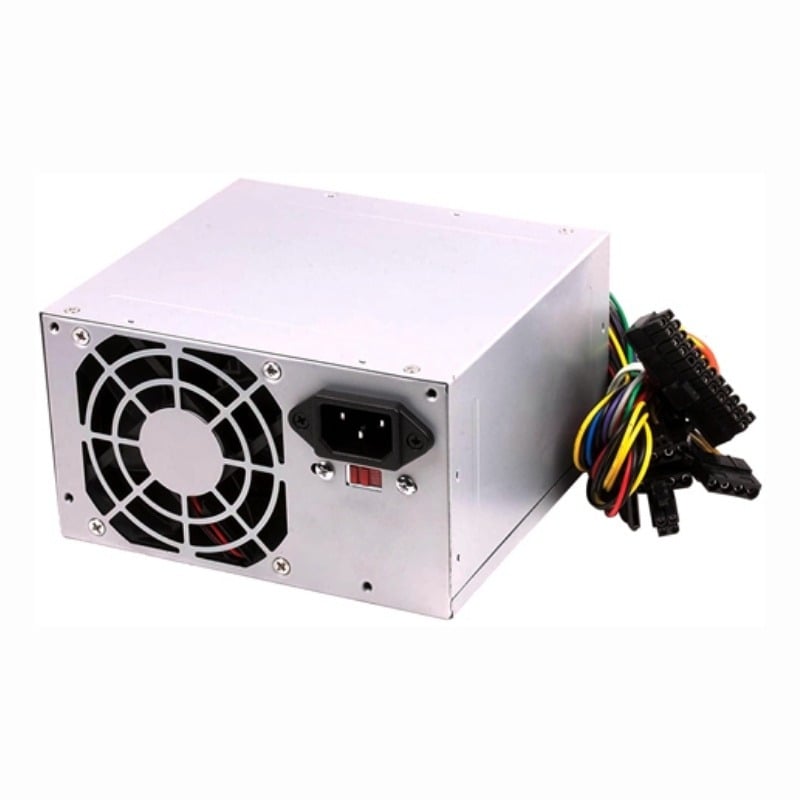
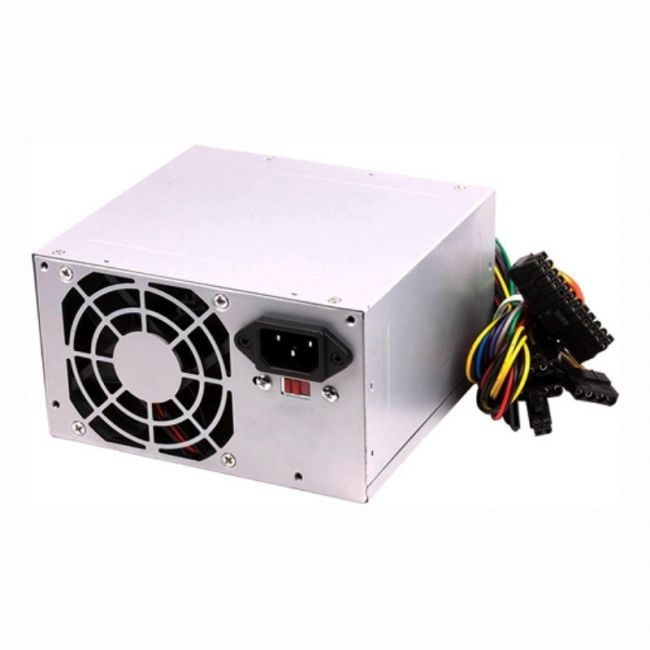
The API-3186S IBM 200-Watt Power Supply delivers the reliability and efficiency needed for IBM servers and storage systems. With its hot-swappable design, it ensures minimal disruption during system maintenance, making it an ideal choice for enterprise environments that demand continuous uptime and reliability. |
General Information |
|
|---|---|
| Brand | IBM |
| Part Number | API-3186S |
| Product Type | Desktop Power Supply |
| Condition | Refurbished |
Technical Information |
|
|---|---|
| Max. Output Power | 200W |
Physical Characteristics |
|
|---|---|
| Weight | 3.00 |
Product Description |
|---|
The IBM 200-Watt Power Supply (API-3186S) is designed to provide efficient and reliable power to IBM servers and storage systems. With a focus on stability, it ensures your systems remain operational even during high-demand tasks. The hot-swappable feature allows for easy replacement without downtime, making it an excellent choice for environments where reliability and uptime are crucial. Whether used in enterprise data centers or remote locations, this power supply unit delivers the consistent performance IBM systems require. Key Features
This power supply is a dependable solution for IBM systems, providing stable performance and ease of maintenance for mission-critical applications. |
Use Cases |
|---|
The API-3186S IBM 200-Watt Power Supply is commonly deployed in enterprise IT infrastructure where reliable and continuous power delivery is critical. It is suitable for data centers and high-density server racks requiring hot-swappable components to minimize downtime during maintenance or upgrades. How It's Used:
This power supply contributes to operational efficiency by enabling seamless maintenance and scalability in complex IT environments. Its design supports sustained system performance and reliability, essential for enterprise workloads and high-demand computing scenarios. |
 Shipping Options
 International Delivery
Requires a UPS, FedEx, or DHL account. Customers may arrange pickup from our US warehouse.
 Payment Methods
We accept Visa, Mastercard, AMEX, Discover, and Wire Transfer.
 Purchase Orders
We process purchase orders for government agencies, enterprises, data centers, and SMBs.