

Subscribe To Our Newsletter!
Subscribe to the newsletter to stay up to date with the latest news and most useful
Newsletter
↑
Back to Top



Product Overview |
|---|
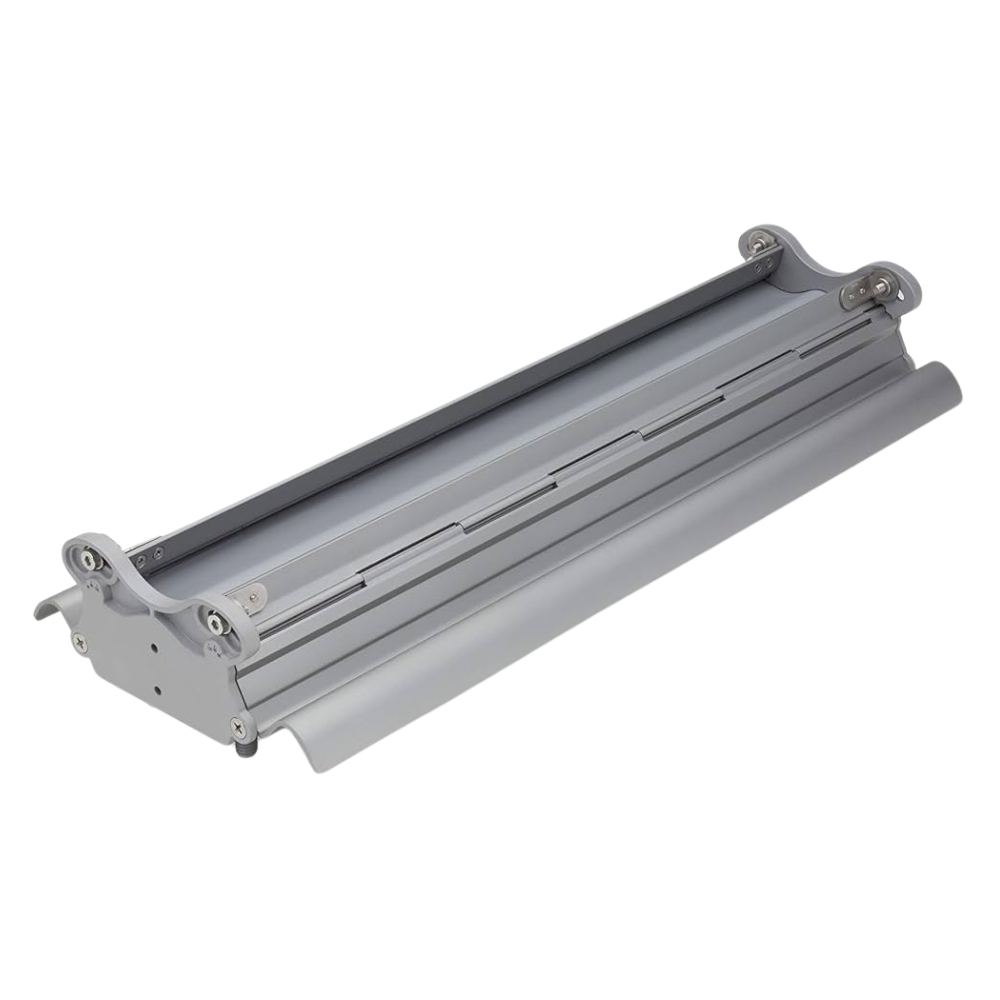
The AM-M-V5G-TI is a directional 5GHz antenna offering 17dBi gain with an adjustable beamwidth feature. It fits well in wireless setups requiring controlled signal direction and interference management, typically used in outdoor network deployments to enhance connectivity and signal clarity. |
General Information |
|
|---|---|
| Brand | Ubiquiti |
Technical Information |
|
|---|---|
| Series | airMAX |
| product type | 5 GHz 17 dBi Variable Beamwidth Sector Antenna |
| Product Category | Wireless Antenna |
| Compatibility | Ubiquiti airMAX radios and base stations (e.g., Rocket series) |
Miscellaneous |
|
|---|---|
| Assembly Required | No |
| Compliance Standards | RoHS, CE, FCC |
Physical Characteristics |
|
|---|---|
| Form Factor | Sector antenna (variable beamwidth) |
| Weight | 3.00 |
| Condition | Refurbished |
Product Description |
|---|
The AM-M-V5G-TI antenna is designed to provide focused wireless coverage on the 5GHz spectrum with a variable beamwidth feature that allows users to adjust the signal spread according to their network needs. It is commonly found in outdoor wireless infrastructure where directional signals improve link quality and reduce interference. Built for network professionals overseeing point-to-point or point-to-multipoint connections, this antenna suits environments where precise signal targeting and isolation are essential. Its robust build ensures consistent performance in diverse weather conditions. Key Features
This antenna plays a key role in improving wireless link stability and network efficiency by controlling interference and focusing the transmission. Its reliability ensures steady performance over time, making it a practical choice for maintaining solid wireless connections in variable conditions. |
Use Cases |
|---|
This antenna is typically deployed in outdoor wireless networks where directional signal control and interference reduction are critical. Network operators and IT teams benefit from its flexibility and durability in various environments, including urban and rural settings. How It's Used:
By enabling precise antenna alignment and improving signal isolation, this model supports efficient spectrum use and network stability. Its robust design contributes to maintaining consistent wireless performance even in challenging outdoor environments. |
 Shipping Options
 International Delivery
Requires a UPS, FedEx, or DHL account. Customers may arrange pickup from our US warehouse.
International Delivery
Requires a UPS, FedEx, or DHL account. Customers may arrange pickup from our US warehouse.
 Payment Methods
We accept Visa, Mastercard, AMEX, Discover, and Wire Transfer.
Payment Methods
We accept Visa, Mastercard, AMEX, Discover, and Wire Transfer.
 Purchase Orders
We process purchase orders for government agencies, enterprises, data centers, and SMBs.
Purchase Orders
We process purchase orders for government agencies, enterprises, data centers, and SMBs.