

Subscribe To Our Newsletter!
Subscribe to the newsletter to stay up to date with the latest news and most useful
Newsletter
↑
Back to Top



Product Overview |
|---|
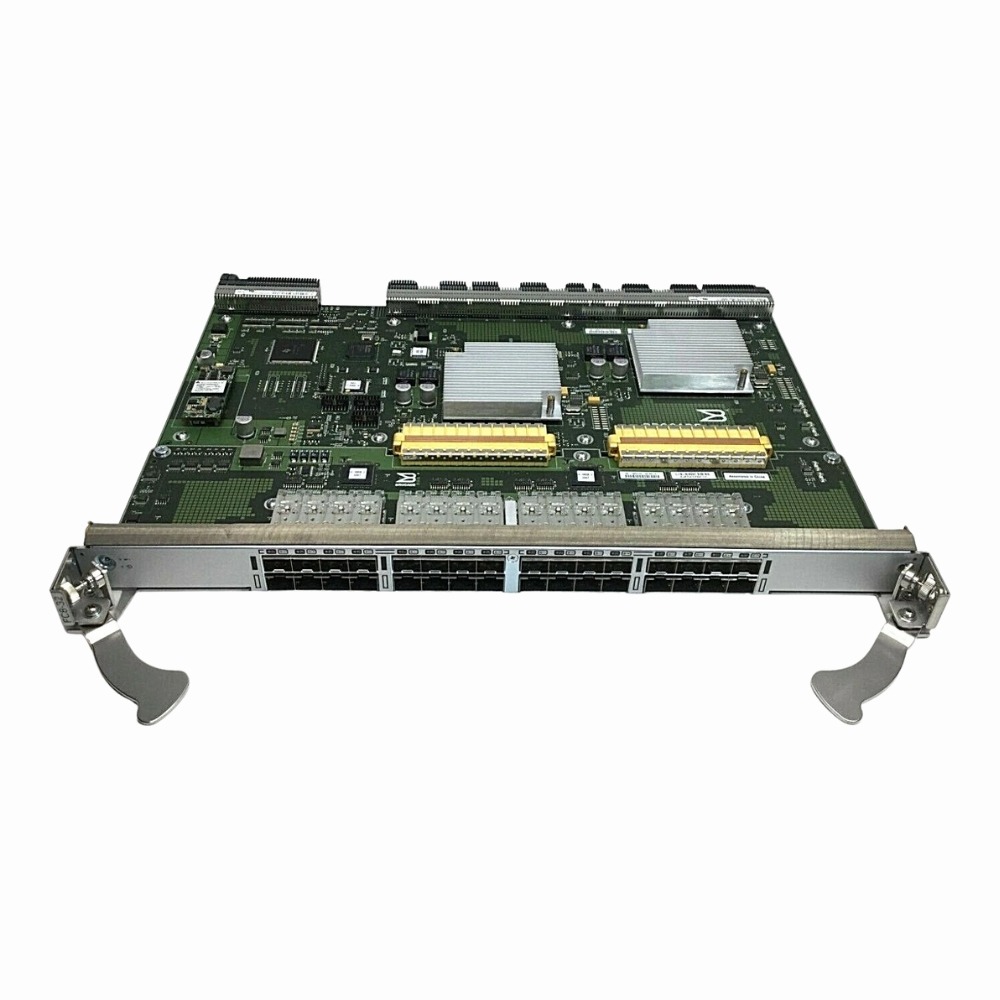
The AK859A HP StorageWorks SAN Director acts as a backbone for enterprise storage networks, providing fast and reliable Fibre Channel connectivity across multiple devices. It fits into data center setups where consistent performance and network management are priorities without adding unnecessary complexity. |
General Information |
|
|---|---|
| Brand | HP |
| Part Number | AK859A |
| Condition | Refurbished |
Technical Information |
|
|---|---|
| Switch Ports | 32 |
| Number of Ports | 32-Ports |
| Port Type | SFP+ |
| Port Speed | 8.50 Gb/s |
| POE Support | No |
| VLAN Support | No |
| Stackable | No |
| Layer Support | Layer 2 |
| Connector Type | SFP+ |
Management and Configuration |
|
|---|---|
| Remote Protocols | Yes |
| Management Interfaces | Serial Console (RJ-45), SSH, Telnet, HTTP/HTTPS, SNMP |
| Security Features | Zoning (port and WWN), Role-Based Access Control (RBAC), RADIUS/TACACS+ |
| Management Type | CLI, Web GUI, SNMP |
| Remote Management Protocol | SSH, Telnet, HTTP, HTTPS, SNMP |
Physical Characteristics |
|
|---|---|
| Weight | 5.00 |
Miscellaneous |
|
|---|---|
| Compliant Standards | Fibre Channel (FC-2, FC-SW) |
Product Description |
|---|
The AK859A HP StorageWorks SAN Director is built for managing large storage area networks with high-performance Fibre Channel switching. It is commonly deployed in data centers where fast and dependable storage connectivity is essential for handling demanding workloads and large data transfers. Often found in enterprise IT environments, this switch supports storage administrators and IT professionals who need to maintain seamless access to storage resources and ensure data availability across multiple servers and storage devices. Key Features
This switch is typically deployed in enterprise data centers, storage clusters, or any environment where high-speed storage access is crucial. It plays a vital role in maintaining smooth data flow and minimizing bottlenecks during heavy storage transactions. |
Use Cases |
|---|
The AK859A HP StorageWorks SAN Director is typically deployed in enterprise data centers where high-performance storage networks are essential. It is suited for IT environments managing large-scale virtualization, extensive storage clusters, and mission-critical applications demanding consistent low-latency connectivity. How It's Used:
This SAN Director enhances operational efficiency by maintaining reliable high-speed data paths and flexible network topologies. Its scalability supports evolving storage infrastructures, enabling administrators to manage complex fabrics without compromising performance or uptime. |
 Shipping Options
 International Delivery
Requires a UPS, FedEx, or DHL account. Customers may arrange pickup from our US warehouse.
International Delivery
Requires a UPS, FedEx, or DHL account. Customers may arrange pickup from our US warehouse.
 Payment Methods
We accept Visa, Mastercard, AMEX, Discover, and Wire Transfer.
Payment Methods
We accept Visa, Mastercard, AMEX, Discover, and Wire Transfer.
 Purchase Orders
We process purchase orders for government agencies, enterprises, data centers, and SMBs.
Purchase Orders
We process purchase orders for government agencies, enterprises, data centers, and SMBs.