

Subscribe To Our Newsletter!
Subscribe to the newsletter to stay up to date with the latest news and most useful
Newsletter
↑
Back to Top



Product Overview |
|---|
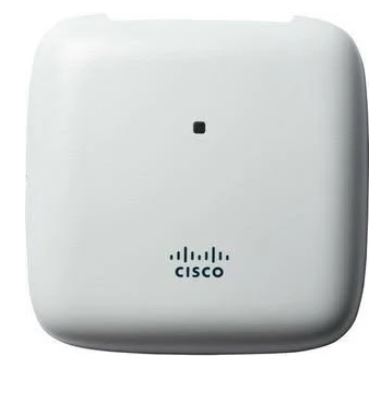
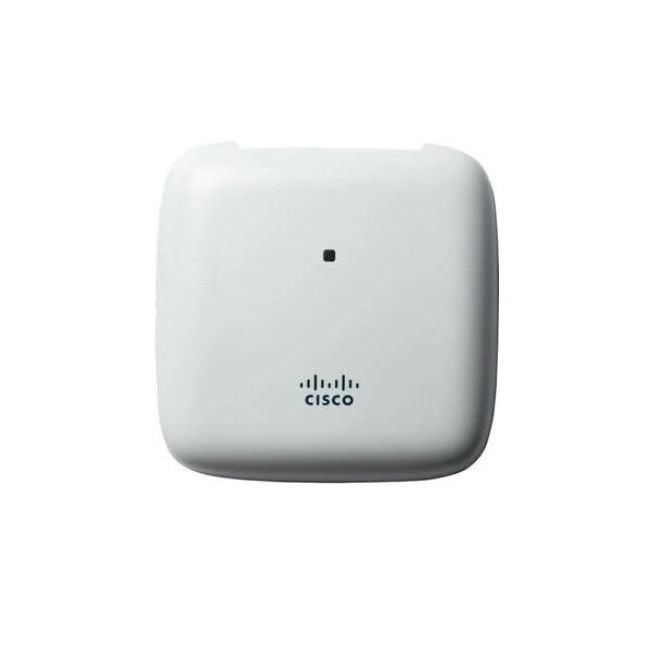
The Cisco Aironet 1815m is a practical access point that brings dual-band Wi-Fi to small and medium spaces. It fits well in settings that require reliable network access for a moderate number of devices, such as offices or classrooms. With its PoE capability and support for the 802.11ac Wave 2 standard, it balances performance and convenience without overwhelming setup requirements. |
General Information |
|
|---|---|
| Brand | Cisco |
| Part Number | AIR-AP1815M-B-K9 |
Technical Information |
|
|---|---|
| Frequency Bands | 2.4 GHz,5 GHz |
| Data Rate | Up to 867 Mbps (5 GHz, 802.11ac), up to 300 Mbps (2.4 GHz, 802.11n); aggregate up to ~1167 Mbps |
| Interface | Dual-band radio (2.4/5 GHz), 2x2 MIMO |
| WiFi Standard | 802.11ac (Wave 1),802.11n,802.11a,802.11g,802.11b |
| Security | WPA2-PSK,WPA-PSK,802.1X (EAP),WEP |
| MIMO | Yes |
| Ethernet Port | 1 x Gigabit Ethernet (RJ-45) 10/100/1000 Mbps with PoE PD |
| Compatibility | Cisco Wireless LAN Controllers (CAPWAP),Mobility Express,Standalone (autonomous),Cisco Prime Infrastructure |
| Operating Modes | Controller-based (CAPWAP),Mobility Express (controller-less),Standalone (autonomous),FlexConnect,Monitor,Sniffer,Bridge |
Physical Characteristics |
|
|---|---|
| Weight | 5.00 |
| Condition | Refurbished |
Miscellaneous |
|
|---|---|
| Compliance Standards | WEEE, RoHS, CE, FCC |
Product Description |
|---|
The Cisco Aironet 1815m is a wireless access point built for delivering reliable Wi-Fi in office spaces, retail stores, and educational campuses. It is commonly found in environments where consistent connectivity and moderate user capacity are essential. The device caters to IT teams looking for straightforward deployment and efficient network management. Key Features
This access point is typically deployed in workplaces or public venues where steady wireless coverage is needed without excessive complexity. It helps reduce dead zones and supports multiple users simultaneously, making daily network activities smoother and more dependable. |
Use Cases |
|---|
The Cisco AIR-AP1815M-B-K9 access point is commonly deployed in small to medium business environments where reliable dual-band wireless connectivity is essential. It is ideal for office spaces, educational institutions, and branch locations requiring efficient network access with moderate device density and straightforward installation. How It's Used:
This access point supports operational efficiency by combining dual-band performance with PoE convenience, allowing organizations to scale wireless coverage without complex infrastructure changes. Its compatibility with 802.11ac Wave 2 standards ensures sustained performance for evolving network demands in varied SMB settings. |
 Shipping Options
 International Delivery
Requires a UPS, FedEx, or DHL account. Customers may arrange pickup from our US warehouse.
International Delivery
Requires a UPS, FedEx, or DHL account. Customers may arrange pickup from our US warehouse.
 Payment Methods
We accept Visa, Mastercard, AMEX, Discover, and Wire Transfer.
Payment Methods
We accept Visa, Mastercard, AMEX, Discover, and Wire Transfer.
 Purchase Orders
We process purchase orders for government agencies, enterprises, data centers, and SMBs.
Purchase Orders
We process purchase orders for government agencies, enterprises, data centers, and SMBs.