Subscribe To Our Newsletter!
Subscribe to the newsletter to stay up to date with the latest news and most useful
Newsletter
↑
Back to Top



Product Overview |
|---|
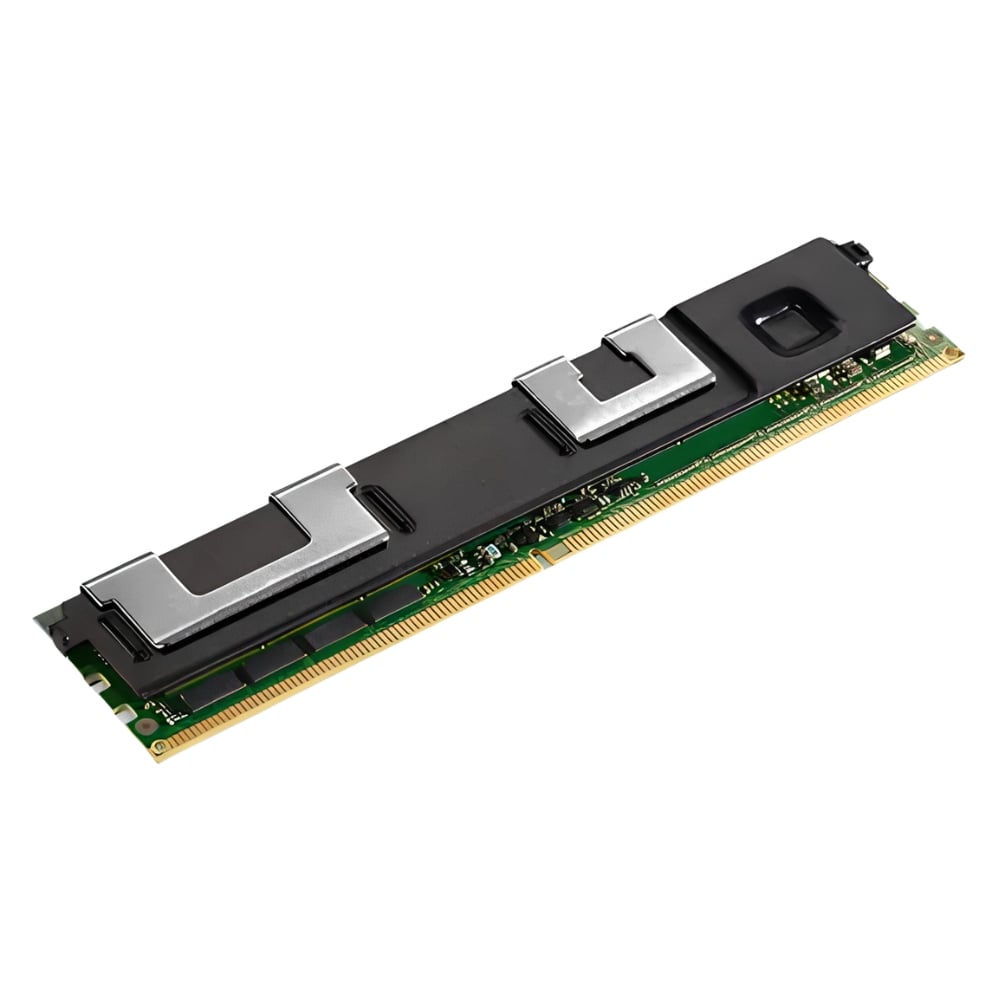
The AA673221 Dell Intel Optane DC Persistent Memory module integrates persistent memory technology with DDR-T interface, offering high capacity and low latency specifically for Dell servers running on Cascade Lake processors. It enables data retention without power, suitable for demanding enterprise workloads. |
General Information |
|
|---|---|
| Brand | Dell |
| Part Number | AA673221 |
Technical Information |
|
|---|---|
| Memory Technology | NVDIMM |
| Pin Count | 288-Pin |
Physical Characteristics |
|
|---|---|
| Package | FBGA |
| Weight | 0.50 |
| Condition | Refurbished |
Product Description |
|---|
The AA673221 Dell Intel Optane DC Persistent Memory Cascade Lake DDR-T Server Memory Module is engineered to provide high-capacity, low-latency memory solutions for modern data centers. It combines Intel Optane persistent memory technology with DDR-T architecture, delivering a unique blend of memory and storage capabilities. Typically installed in Dell servers equipped with Intel Cascade Lake processors, this module enhances system performance by allowing data to persist across reboots and power cycles. It benefits IT professionals, data scientists, and enterprises requiring fast access to large datasets, improved application responsiveness, and enhanced system resilience. Key Features
This memory module helps accelerate analytics, in-memory databases, and virtualization tasks by reducing latency and improving data retention. Its persistent nature supports innovative memory-centric computing models, allowing businesses to optimize their server infrastructure efficiently. |
Use Cases |
|---|
This memory module is designed for environments where data persistence, speed, and capacity are critical. How It's Used:
By leveraging the AA673221 Dell Intel Optane DC Persistent Memory, organizations can improve application performance and data resiliency in their core IT infrastructure. |
 Shipping Options
 International Delivery
Requires a UPS, FedEx, or DHL account. Customers may arrange pickup from our US warehouse.
International Delivery
Requires a UPS, FedEx, or DHL account. Customers may arrange pickup from our US warehouse.
 Payment Methods
We accept Visa, Mastercard, AMEX, Discover, and Wire Transfer.
Payment Methods
We accept Visa, Mastercard, AMEX, Discover, and Wire Transfer.
 Purchase Orders
We process purchase orders for government agencies, enterprises, data centers, and SMBs.
Purchase Orders
We process purchase orders for government agencies, enterprises, data centers, and SMBs.