

Subscribe To Our Newsletter!
Subscribe to the newsletter to stay up to date with the latest news and most useful
Newsletter
↑
Back to Top



Product Overview |
|---|
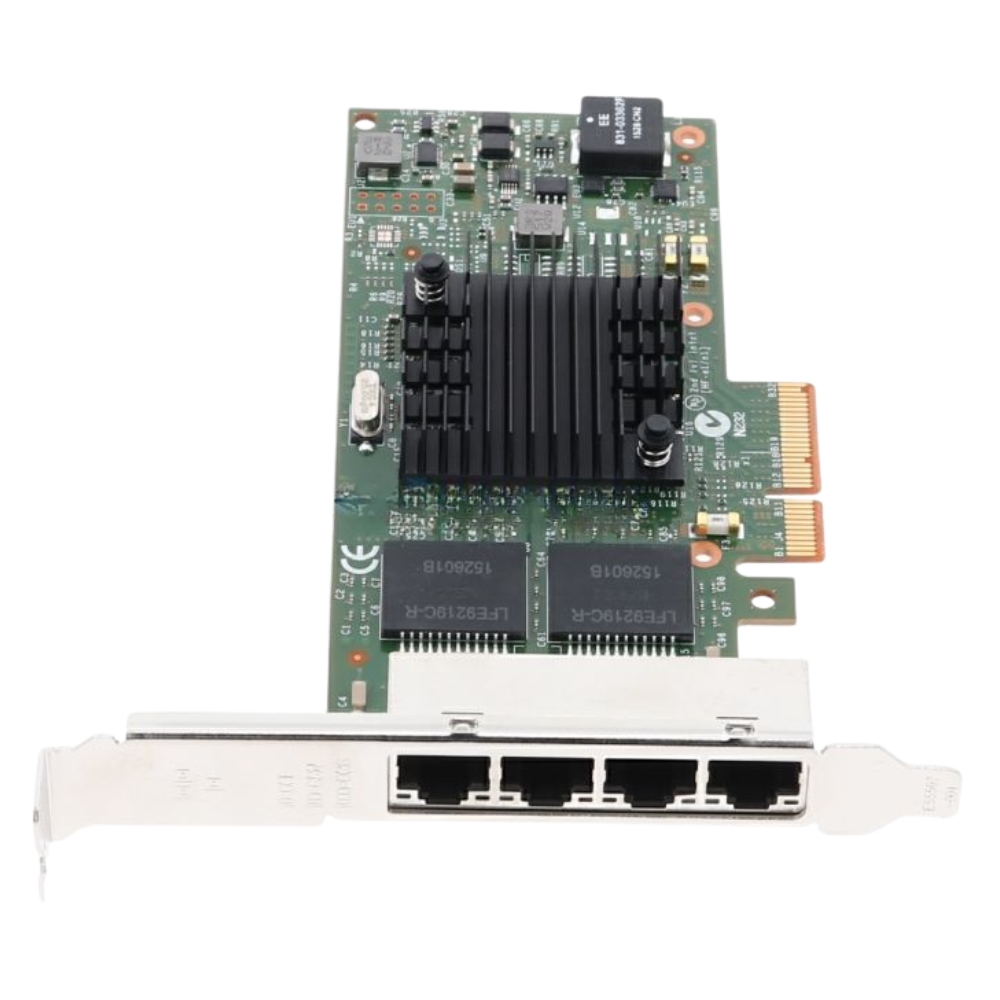
The A6749A - HPE 64 x Port MUX PCIe Multiplexer Interface Network Card consolidates numerous network connections into a single PCIe interface, making it a practical solution for environments where port density and efficient data handling are essential. It fits well in server and network hardware setups where scalability and resource management are priorities. |
General Information |
|
|---|---|
| Brand | HPE |
Technical Information |
|
|---|---|
| Product Type | Network Interface Card |
Connectivity & Physical |
|
|---|---|
| Form Factor | Standard PCIe Card |
| Weight | 3.00 |
| Condition | Refurbished |
Miscellaneous |
|
|---|---|
| Assembly Required | No |
Product Description |
|---|
The A6749A - HPE 64 x Port MUX PCIe Multiplexer Interface Network Card enables efficient management of multiple network connections through a single PCIe interface. It is often found in enterprise-grade servers and data centers where dense network port aggregation is necessary. Built for IT professionals managing complex network infrastructures, this card facilitates streamlined data routing and optimized network resource usage. Key Features
This network card plays a crucial role in managing high-density connectivity requirements, improving operational efficiency in network setups. Its reliable performance and straightforward integration make it a valuable component in modern enterprise network architectures. |
Use Cases |
|---|
The A6749A typically serves environments requiring extensive network port aggregation, such as enterprise data centers or high-performance computing clusters. Network administrators and IT teams use this card to streamline infrastructure and enhance connectivity without expanding physical server footprints. How It's Used:
In these contexts, the card supports streamlined network management and scalability while maintaining consistent data throughput. Its design reduces cabling complexity and maximizes available PCIe interfaces for broader system capabilities. |
 Shipping Options
 International Delivery
Requires a UPS, FedEx, or DHL account. Customers may arrange pickup from our US warehouse.
International Delivery
Requires a UPS, FedEx, or DHL account. Customers may arrange pickup from our US warehouse.
 Payment Methods
We accept Visa, Mastercard, AMEX, Discover, and Wire Transfer.
Payment Methods
We accept Visa, Mastercard, AMEX, Discover, and Wire Transfer.
 Purchase Orders
We process purchase orders for government agencies, enterprises, data centers, and SMBs.
Purchase Orders
We process purchase orders for government agencies, enterprises, data centers, and SMBs.